Monaco Flips F1's 2026 Engine Challenge to 'Too Much Energy'
Monaco's tight layout turns the season-long battery drain problem on its head, as F1's 2026 cars face an energy surplus that creates turbo lag risks and could shuffle the competitive order.
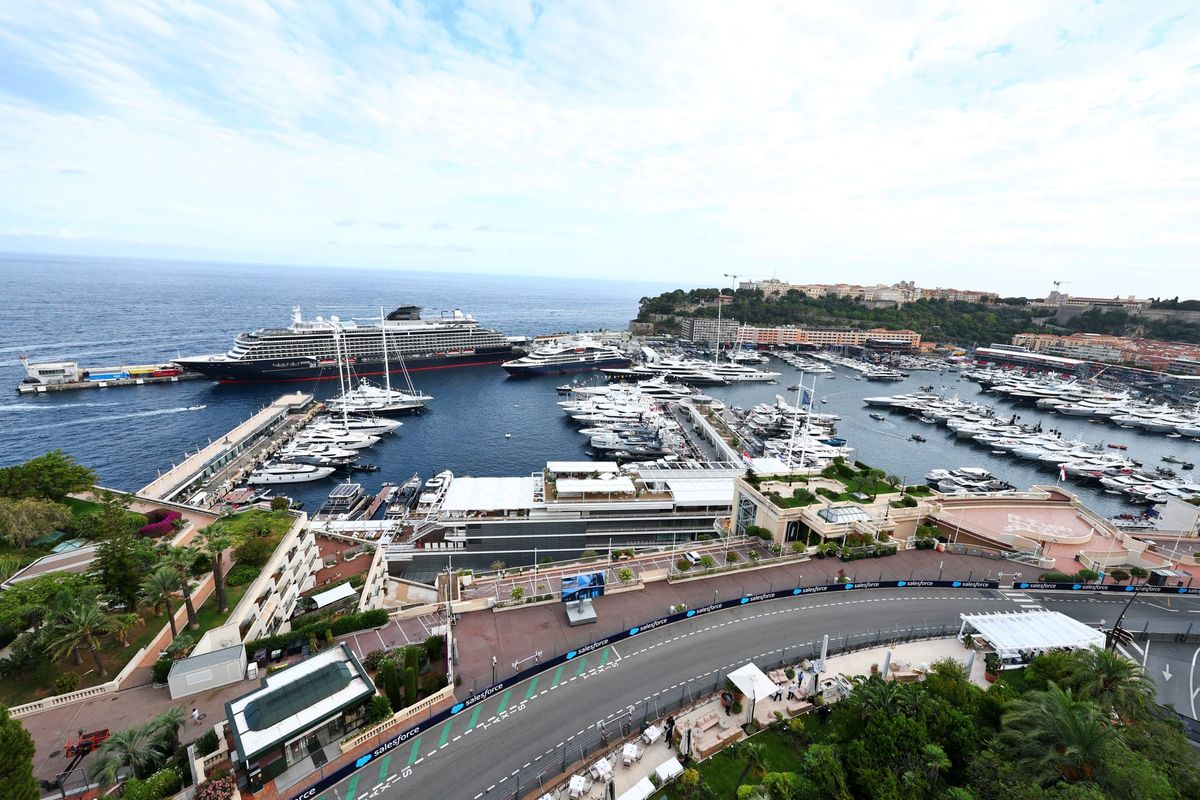
Formula 1's 2026 engine saga has been defined by energy scarcity all season, but Monaco flips the script to an unfamiliar problem: too much energy. The tight street circuit constantly tops up the battery, yet a new power cap gives drivers fewer places to spend it. This "energy rich" scenario is creating a technical puzzle that could scramble Sunday's order.
Why it matters:
For the first time this year, drivers are not conserving battery charge. Instead, they risk hitting the "top of the pack" early in the lap, which prevents the MGU-K from harvesting energy to mask turbo lag. This introduces a strategic variable never seen at other circuits and could hand an advantage to teams whose power units cope better with low-speed torque delivery.
The details:
- The energy flip: Most tracks are "energy poor," making it hard to charge the battery enough for full electric deployment. Monaco's relentless slow corners and braking zones regenerate the battery faster than it can be drained.
- Safety cap twist: Full 350kW MGU-K deployment is restricted to speeds below 200km/h this weekend, down from nearly 300km/h. This safety measure further limits opportunities to deplete the battery.
- Turbo lag headache: Through the slow hairpin, turbo speed drops inevitably. Normally, the MGU-K harvests to fill the torque gap, but it cannot do so if the battery is already at 100%.
- The tunnel straight risk: Drivers may reach maximum charge by Portier before the tunnel. A full battery there means no MGU-K assistance off the corner, carrying a power deficit down one of Monaco's few long straights.
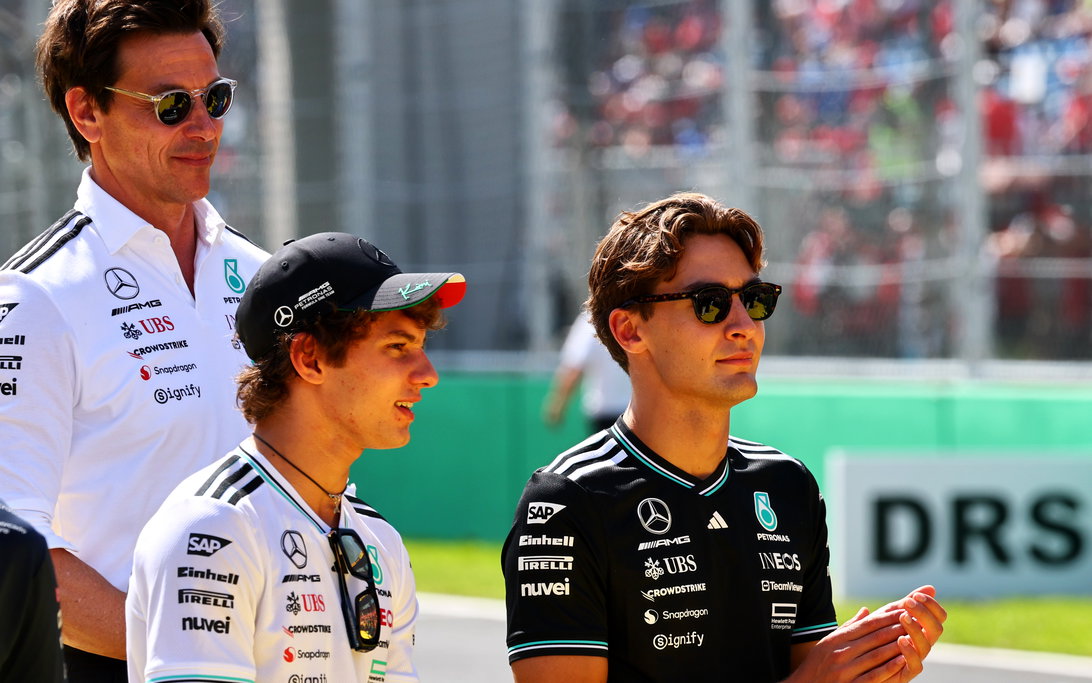
- Engine split: George Russell confirms hitting the top of the pack before the tunnel "will very much be a feature." Nico Hulkenberg, meanwhile, suggests Audi's bigger turbo might be helped by the abundant MGU-K energy.
What's next:
Sunday's race will reveal which engine philosophy handles Monaco's paradox best. Ferrari is expected to benefit if its turbo avoids low-speed lag, letting it deploy surplus energy purely for acceleration. Audi's larger turbo design, typically a handicap on tight tracks, might find unexpected compensation through constant electric boost. How each team manages this energy surplus could define the grid.
Don't miss the next lap
Get the deep dives and technical analysis from the world of F1 delivered to your inbox twice a week.
Zero spam. Only high-octane analysis. Unsubscribe anytime.
Join the inner circle
Get the deep dives and technical analysis from the world of F1 delivered to your inbox twice a week.
Zero spam. Only high-octane analysis. Unsubscribe anytime.
Continue Reading
View More News