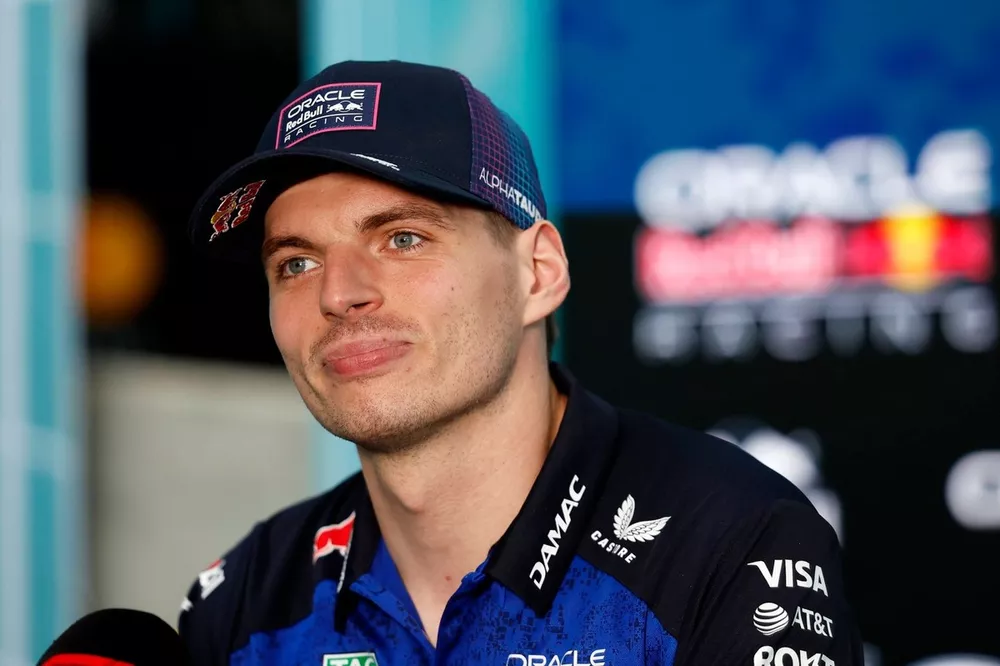
Montoya calls for race bans to silence driver criticism of 2026 F1 rules
Ex-F1 racer Juan Pablo Montoya argues that drivers like Max Verstappen should face race suspensions for publicly criticizing the sport's 2026 rules, claiming such comments disrespect Formula 1. His controversial stance highlights the ongoing conflict between driver freedom of speech and the commercial needs of the sport as it heads into a major regulatory change.
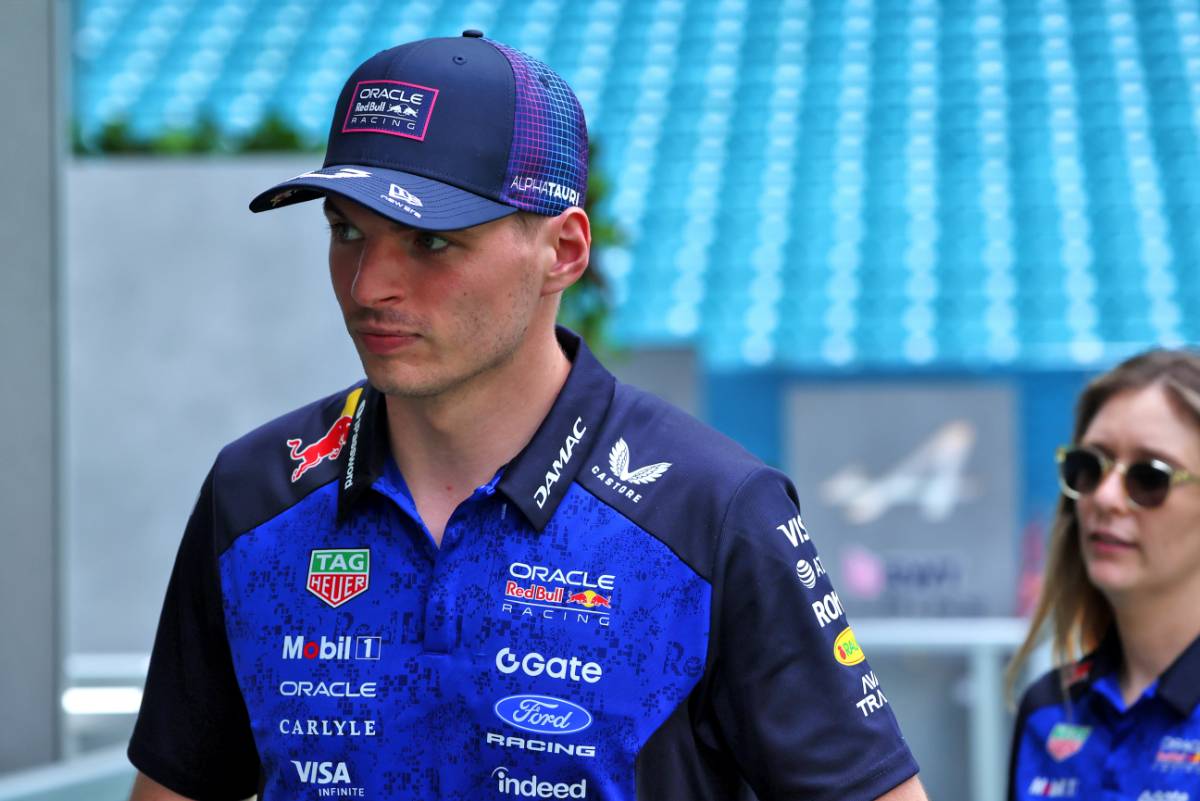
Former F1 driver Juan Pablo Montoya has ignited controversy by suggesting drivers like Max Verstappen should face race bans for publicly criticizing the sport's upcoming 2026 technical regulations. The Colombian, known for his own outspoken career, argued that such negative commentary disrespects Formula 1 and warrants severe penalties, including super license points that could lead to suspension.
Why it matters:
The debate strikes at the heart of a growing tension between driver expression and the sport's commercial image. As F1 prepares for a major regulatory shift in 2026, public skepticism from its biggest stars risks undermining fan and stakeholder confidence before the cars even hit the track. Montoya's extreme proposal highlights the pressure on the sport's management to control the narrative and presents a stark choice between policing opinions and embracing transparent feedback.
The details:
- Montoya made his comments on the BBC's Chequered Flag podcast, specifically calling out the tone of criticism from drivers who tested the 2026 car concepts in simulation.
- He proposed a system of escalating super license penalty points for drivers who disparage the sport, culminating in a race ban. "Park him," Montoya stated when asked about consequences for Verstappen's comments.
- His criticism centers on the language used, objecting to drivers comparing F1 cars to "Mario Kart" rather than the act of having an opinion itself.
- This outburst comes amid confirmed efforts by F1's commercial rights holder to pressure teams into quieting their drivers on the subject, though formal penalties have not been considered.
Between the lines:
Montoya's fiery take cannot be separated from his own complex history within the sport. His career path crossed with Red Bull advisor Helmut Marko, a key Verstappen ally, in a notoriously difficult 1997 Formula 3000 season. Marko has previously labeled Montoya "a lazy bastard" and suggested he wasted his talent, adding a potential personal layer to the current criticism. Furthermore, Montoya now operates within the paddock as a media personality, a role often guided by official 'talking points' from F1 itself, which may influence his public stance on protecting the sport's image.
What's next:
While race bans for criticism remain highly unlikely, the underlying issue is unresolved. The 2026 regulations are still in development, and driver feedback will be crucial for their refinement. The sport's leadership must navigate a path that allows for constructive, if forceful, input from its competitors without letting public disputes damage the product. How F1 manages this balance—and whether drivers like Verstappen temper their language—will be a subplot to watch as the 2026 season draws closer.
Don't miss the next lap
Get the deep dives and technical analysis from the world of F1 delivered to your inbox twice a week.
Zero spam. Only high-octane analysis. Unsubscribe anytime.
Join the inner circle
Get the deep dives and technical analysis from the world of F1 delivered to your inbox twice a week.
Zero spam. Only high-octane analysis. Unsubscribe anytime.
Continue Reading
View More News