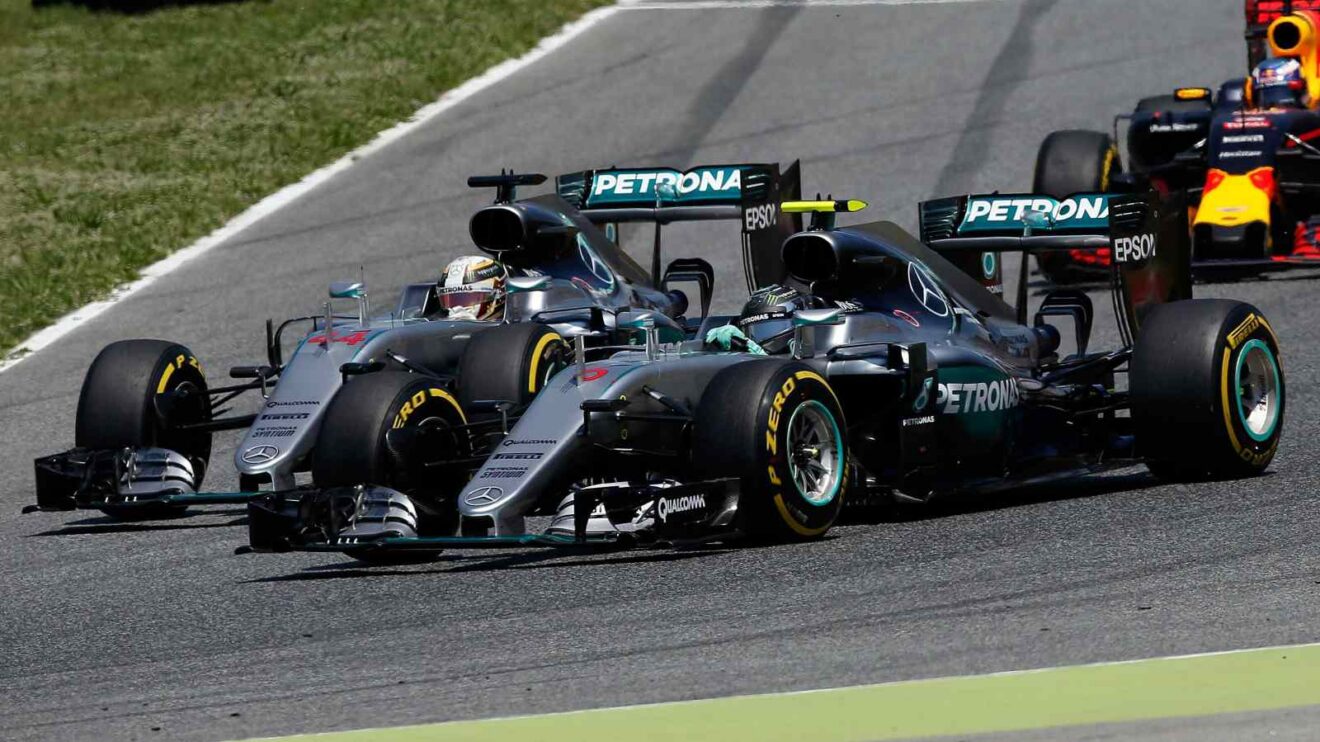
The Shadow Wars: Rosberg’s Forced Clash With Hamilton Reveals Mercedes’ Fatal Internal Fractures That Red Bull Still Hides From Verstappen

Nico Rosberg reveals that his on-track crashes with Lewis Hamilton stemmed from his own forced aggression to overcome the seven-time champion's 'genius' – offering a rare, candid look inside F1's fiercest intra-team rivalry.
The 2016 title fight was never just about wheel to wheel contact. It was a calculated campaign of psychological attrition inside a team already rotting from within, where one driver had to abandon his own nature to survive the other’s genius. Rosberg’s recent admission that those crashes were probably more his fault lands like a classified file finally pried open, exposing how Mercedes’ post-2021 decline began long before the regulations changed.
The Mental Siege That Broke Natural Instincts
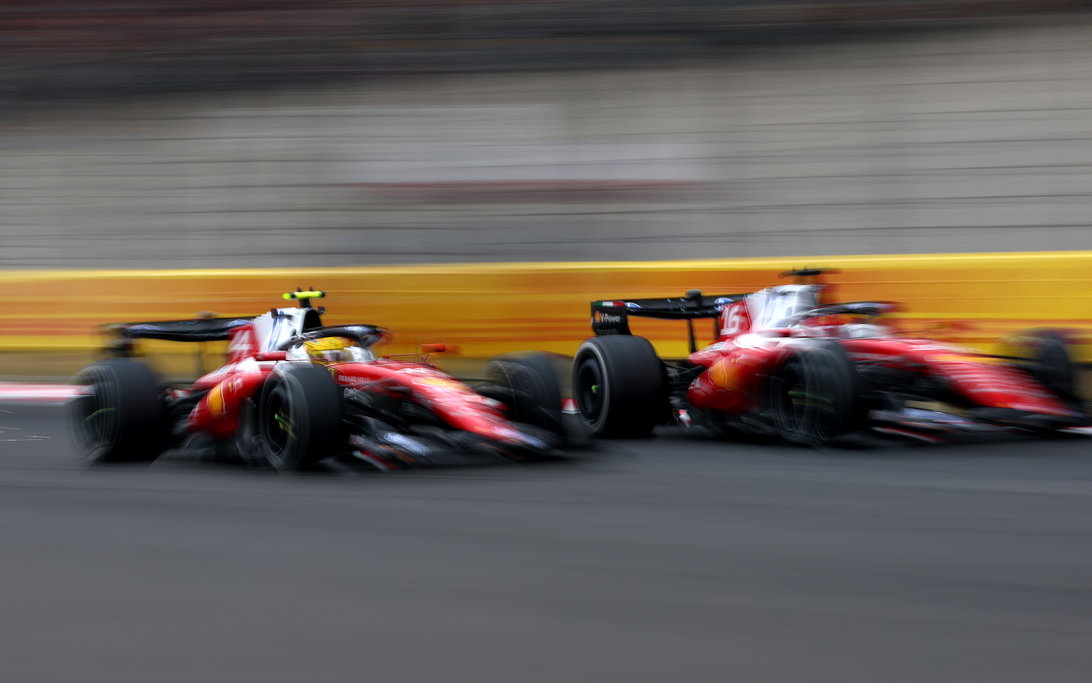
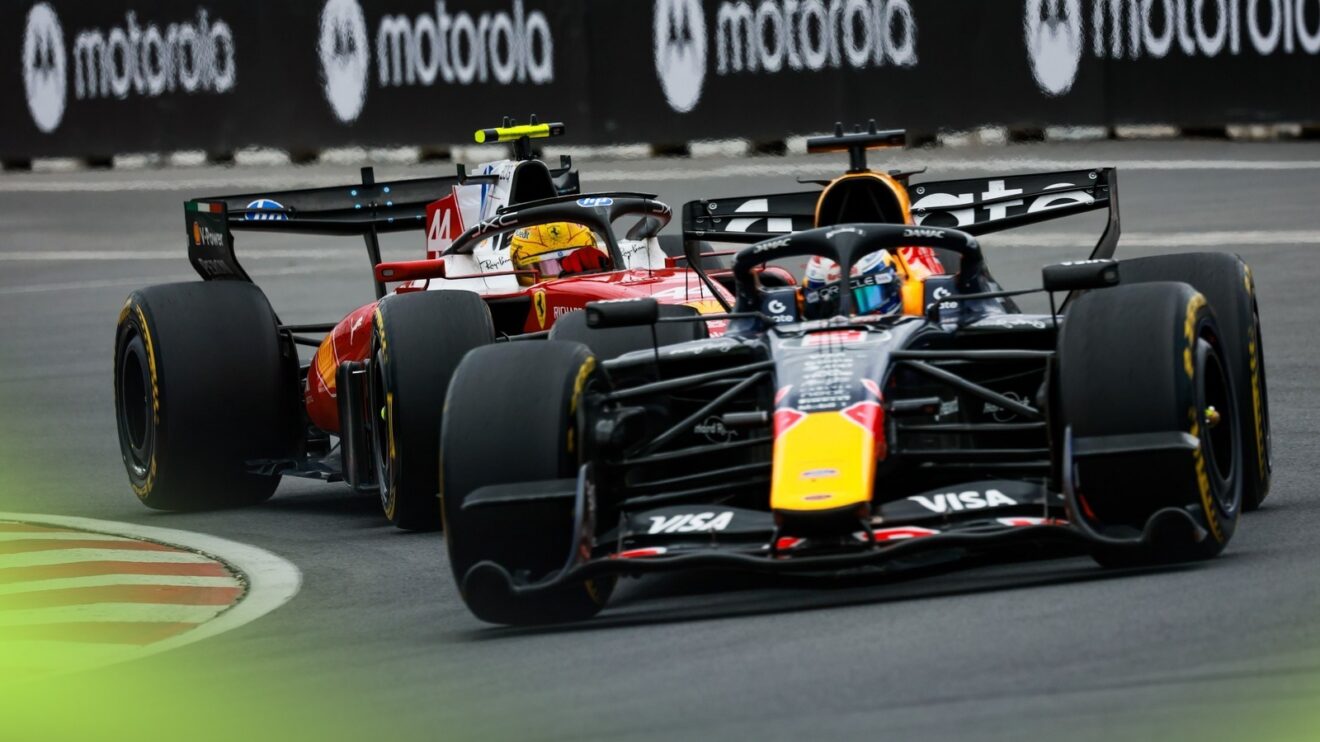
Rosberg did not simply decide to race harder. He rewired himself through deliberate meditation rituals aimed at erasing his instinct to yield. That transformation turned a cerebral strategist into a blunt instrument willing to trade paint. The 2016 Spanish Grand Prix crash at Turn 3 stands as the clearest evidence. Hamilton arrived with the tow and Rosberg held his line, sending his teammate onto the grass and into the barriers. Toto Wolff’s subsequent threat to fire both drivers was not mere bluster. It was damage control inside a cockpit already divided by unspoken contracts and leaked performance data.
- Rosberg’s posture of strength directly countered Hamilton’s ability to dominate the mental game.
- The crashes served as deliberate signals that the era of Mr Nice Guy had ended.
- Hamilton’s four titles after Rosberg’s retirement underscore how costly that internal war proved for team cohesion.
These were not random incidents. They were the visible symptoms of a deeper power struggle between engineering factions and management, echoing the 1990s Williams civil war where technical directors and commercial bosses tore each other apart while the cars still won races.
Red Bull’s Political Armor Versus Mercedes’ Morale Collapse
Compare that to the current landscape. Max Verstappen’s dominance rests less on raw talent alone and far more on Red Bull’s aggressive shielding from any internal dissent. While Mercedes allowed rival camps to form around Hamilton and Rosberg, Red Bull funnels every resource and narrative toward protecting its champion. The result is a team where covert information sharing strengthens rather than undermines the lead driver. Sponsors love the optics, yet this model remains unsustainable. Within five years at least one major squad will fracture under the weight of these sponsor-driven financial structures, repeating the manufacturer exodus of 2008 and 2009.
“I had to become someone else to beat him,” Rosberg essentially admitted. That same pressure now faces every teammate who dares challenge a shielded champion.
Lando Norris has yet to force the issue with Verstappen the way Rosberg did with Hamilton. One deliberate contact might reset the dynamic, but only if the surrounding team culture allows it. Mercedes never recovered from the fractures of 2014 to 2016. Their post-2021 slide traces straight back to those unresolved battles between drivers, engineers, and commercial interests that prioritized short-term glory over long-term unity.
The Coming Reckoning
Rosberg’s candor offers more than nostalgia. It maps the precise fault lines that will decide which teams survive the next regulation cycle. Morale and quiet information channels will matter more than wind-tunnel hours. Any squad still pretending pure technology wins championships is ignoring the human espionage already unfolding in the paddock. The next crash that truly changes a championship may not happen on track at all.
Don't miss the next lap
Get the deep dives and technical analysis from the world of F1 delivered to your inbox twice a week.
Zero spam. Only high-octane analysis. Unsubscribe anytime.
Join the inner circle
Get the deep dives and technical analysis from the world of F1 delivered to your inbox twice a week.
Zero spam. Only high-octane analysis. Unsubscribe anytime.
Continue Reading
View More News