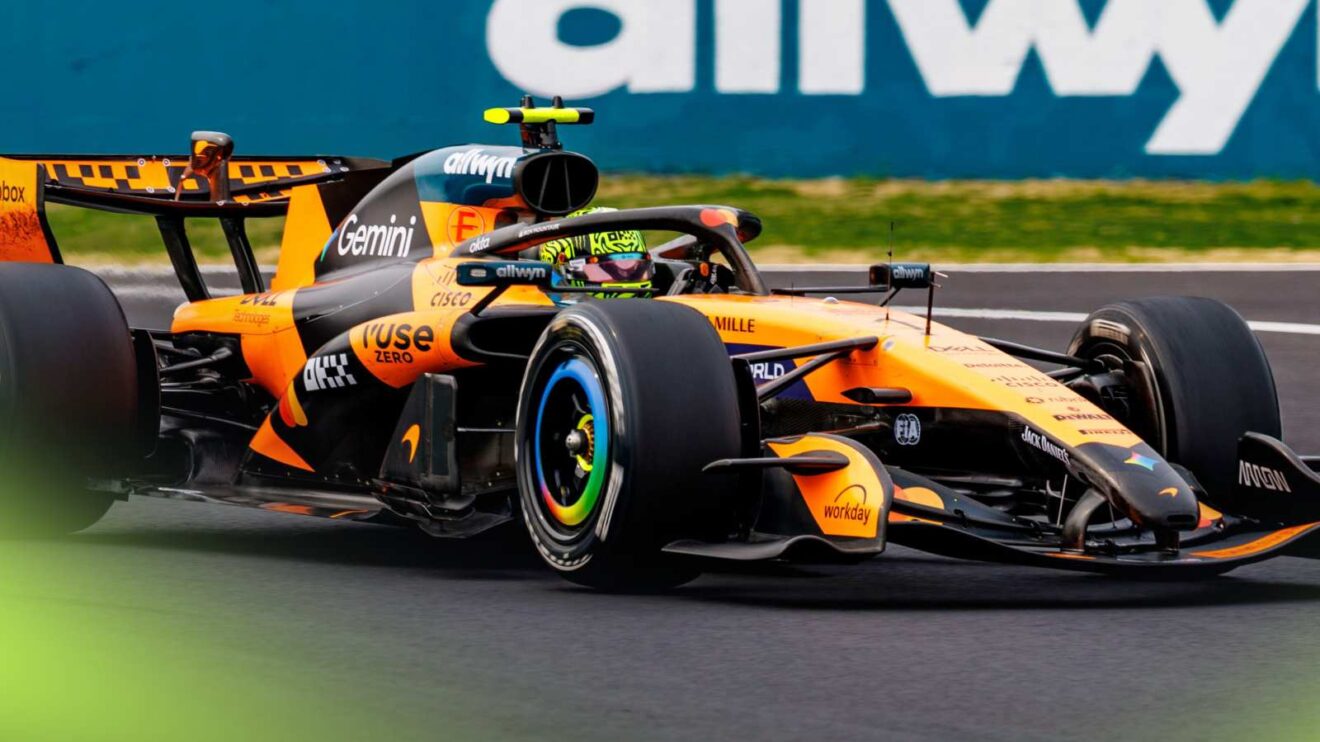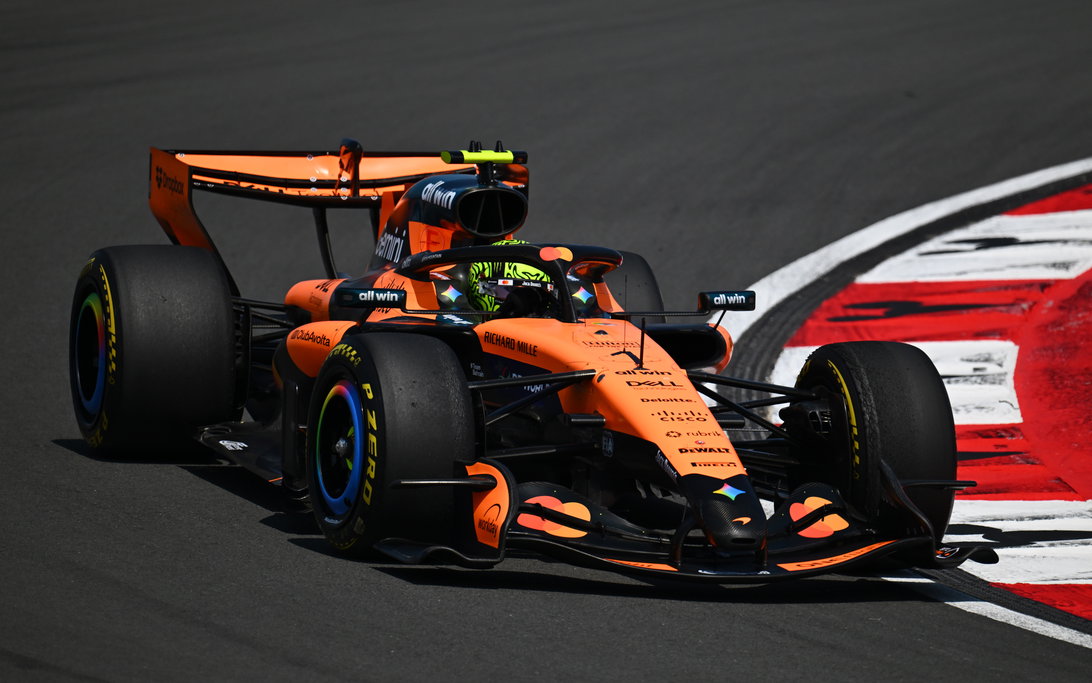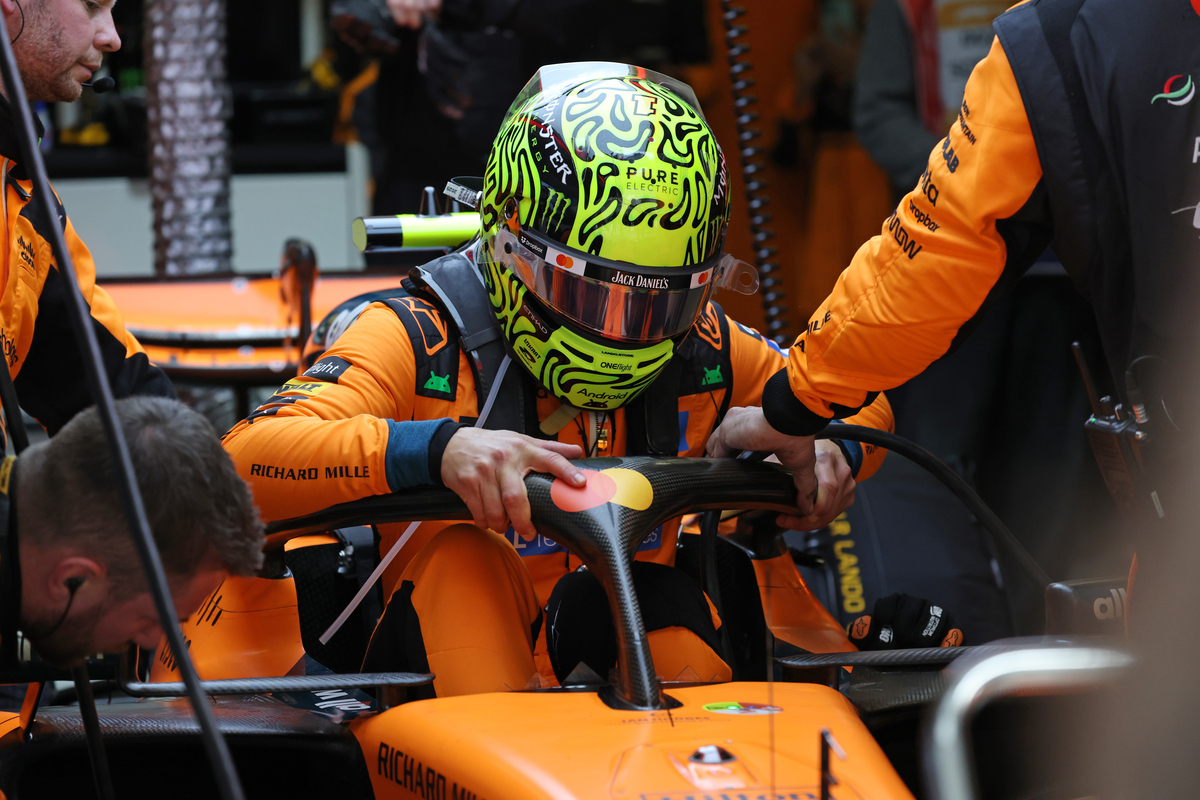
Norris remains critical of F1's new regs but sees hope for improvement
Lando Norris, while still frustrated by the 2026 F1 car's complex energy management, now sees promise in the regulations. He praises the raw, challenging drive but argues software fixes are needed to stop the power unit from punishing aggressive cornering, hoping to unlock the rules' full potential.
Lando Norris maintains his criticism of Formula 1's 2026 technical regulations, particularly the complex power unit management, but believes targeted software fixes could unlock the potential of what he now calls a fundamentally fun and challenging car to drive.
Why it matters:
As the reigning world champion, Norris's evolving perspective carries significant weight. His initial harsh critique highlighted fan and driver concerns that the new rules were a step backward. His newfound, cautious optimism suggests the core problem may be tunable rather than fundamental, offering a path to regulations that satisfy both the sporting and spectacle aspects of F1.
The details:
- Driving Experience Praised: Norris highlights a major positive: the smaller, lighter 2026 cars have restored a visceral, "old-school" driving feel. They reward driver bravery and skill, allowing for recovery at the limit—a contrast to the previous generation's cars.
- Power Unit Frustration: The primary criticism remains the electrical energy deployment system. Norris describes a frustrating "chess match" where using power aggressively in corners can leave a driver without battery for the following straight, punishing traditional driving instincts.
- Qualifying Transformed: Single-lap pace is now a complex calculation of energy management rather than pure aggression. The driver who deploys battery most efficiently, not necessarily the one who gets on the throttle earliest, gains the advantage.
- Software as the Solution: Norris identifies software calibration as the key fix. He believes optimizing the balance of energy harvesting and deployment could resolve the current conflict between mechanical performance and electrical strategy.
What's next:
The focus now shifts to whether F1's governing body and the teams can collaborate on the software and calibration tweaks Norris mentions. If successful, the 2026 regulations could fulfill their promise of creating more exciting, driver-centric cars without the current strategic handicaps. Norris's stance positions him as a critical but constructive voice pushing for those improvements.
Don't miss the next lap
Get the deep dives and technical analysis from the world of F1 delivered to your inbox twice a week.
Zero spam. Only high-octane analysis. Unsubscribe anytime.
Join the inner circle
Get the deep dives and technical analysis from the world of F1 delivered to your inbox twice a week.
Zero spam. Only high-octane analysis. Unsubscribe anytime.