Norris, Verstappen criticize current F1 overtaking as 'yo-yoing'
Lando Norris and Max Verstappen have slammed the current state of F1 overtaking, labeling it artificial "yo-yoing." They argue that a lack of driver control over battery deployment, especially at tracks like Suzuka, forces predictable and unsatisfying maneuvers, undermining the authenticity of wheel-to-wheel racing.
Lando Norris and Max Verstappen have voiced strong criticism of the current state of Formula 1 racing, describing overtaking maneuvers as artificial "yo-yoing" due to a lack of driver control over energy deployment. Following the Japanese Grand Prix, both drivers highlighted how the hybrid power unit rules, particularly battery management within the one-second DRS window, often force drivers into predictable and unsatisfying exchanges rather than genuine wheel-to-wheel battles.
Why it matters:
The core complaint strikes at the heart of modern F1's racing product. When drivers feel they are not in full command of their car's key performance tools during crucial battles, it undermines the authenticity of the sport. This technical limitation, as explained by two of the grid's top talents, reveals a significant gap between how exciting races may look to television audiences and how frustrating they can feel from the cockpit, potentially necessitating a review of energy deployment regulations.
The details:
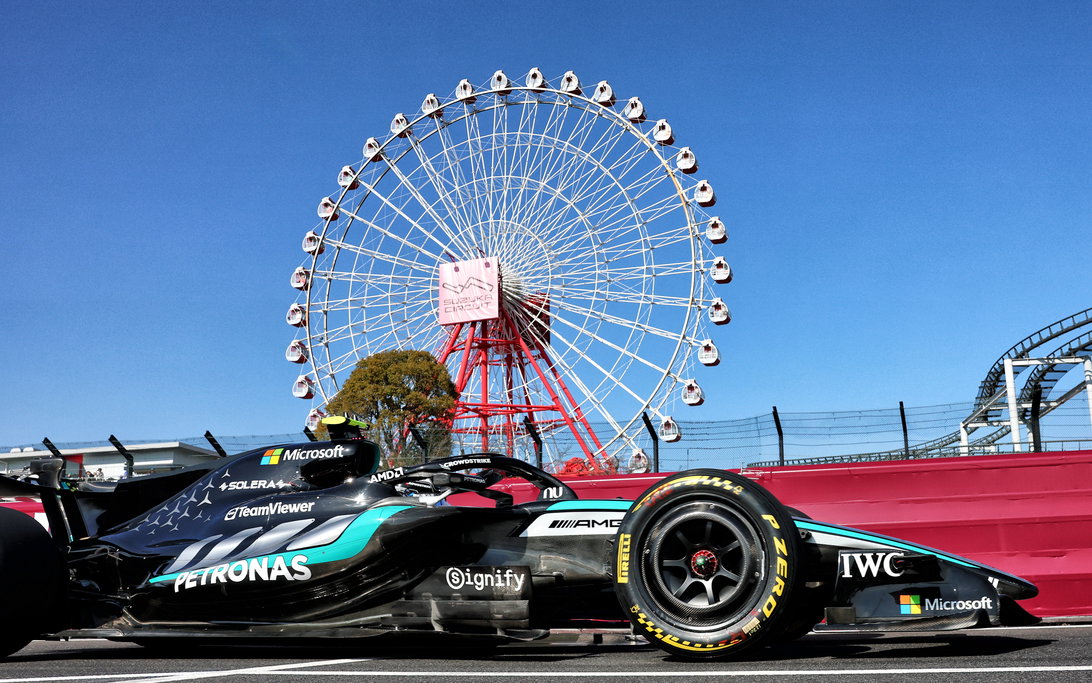
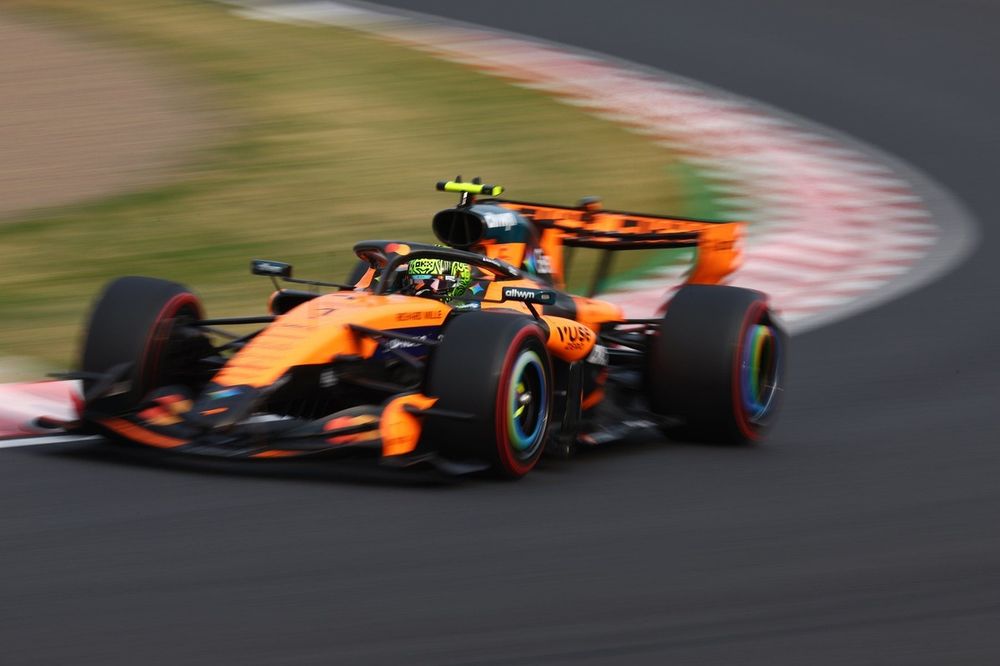
- Norris used his battle with Lewis Hamilton at Suzuka as a prime example. He stated his battery deployed automatically when he got within one second, forcing an overtake into the final chicane. He then had no energy left to defend on the main straight, allowing Hamilton to immediately repass.
- Lack of Control: The McLaren driver's central grievance is a feeling of powerlessness. "The driver should be in control of it at least, and we're not," Norris said, arguing that the system's automatic deployment in overtake mode takes critical decisions out of the driver's hands.
- Suzuka's Specific Challenge: Verstappen explained why the issue was particularly acute at the Japanese circuit. The layout features long straights separated by only brief, low-energy corners like the Casio Triangle, leaving no time to recharge the battery after a deployment.
- This makes any overtaking attempt "completely inefficient," as using the battery on one straight leaves a car defenseless on the next.
- Devalued Overtakes: Both drivers implied that overtakes have lost sporting value. When a pass is primarily dictated by pre-programmed energy deployment rather than pure driver skill or racecraft, the subsequent counter-pass feels inevitable and cheap.
What's next:
The drivers have made their frustrations clear to the FIA, with Norris stating he hopes the governing body acts on the feedback. While the 2026 power unit regulations are already set, this criticism highlights an ongoing in-race software and strategy challenge that teams and the FIA could address in the short term. Finding a better balance between hybrid energy management and driver agency will be crucial to improving the quality of racing before the next major regulatory shift.
categories: ["F1", "Technology", "Opinion"]}
Don't miss the next lap
Get the deep dives and technical analysis from the world of F1 delivered to your inbox twice a week.
Zero spam. Only high-octane analysis. Unsubscribe anytime.
Join the inner circle
Get the deep dives and technical analysis from the world of F1 delivered to your inbox twice a week.
Zero spam. Only high-octane analysis. Unsubscribe anytime.
Continue Reading
View More News