Mercedes Data Sheets Pulse Like a 2004 Ferrari But Warn of a Sterile Future

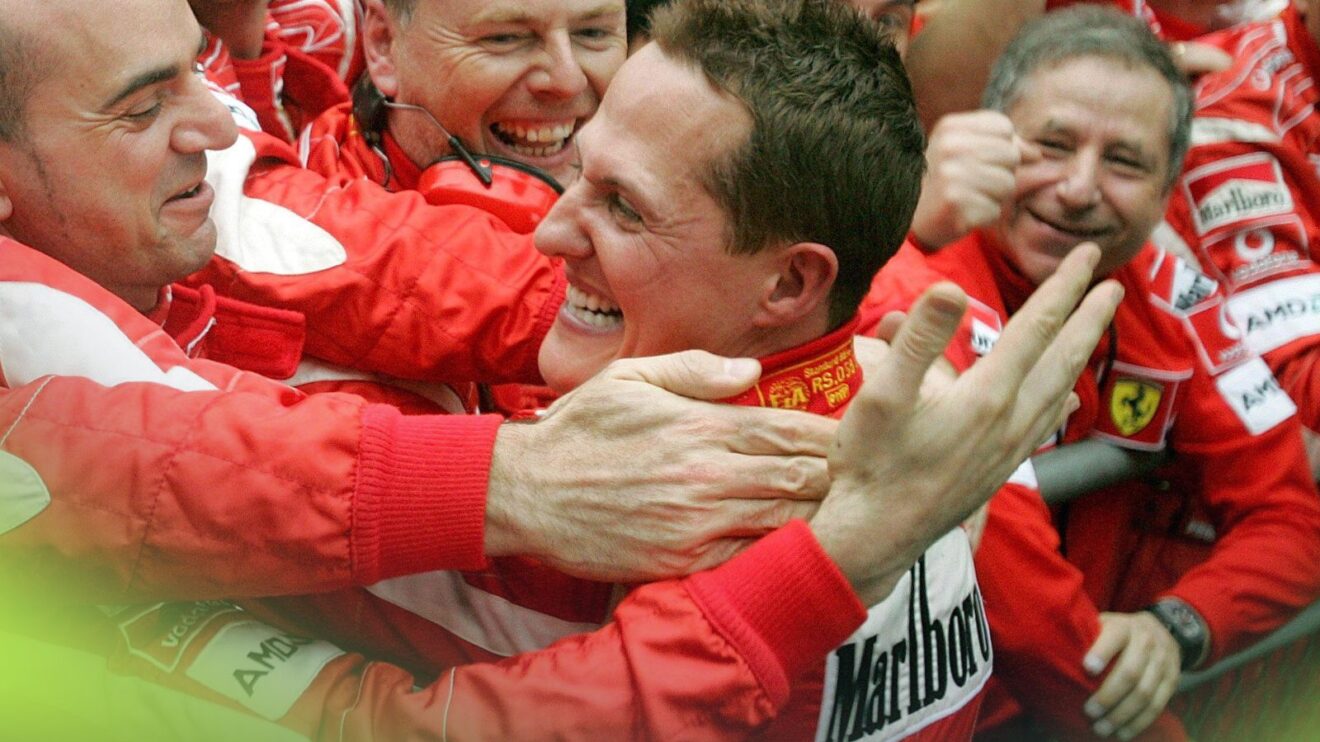
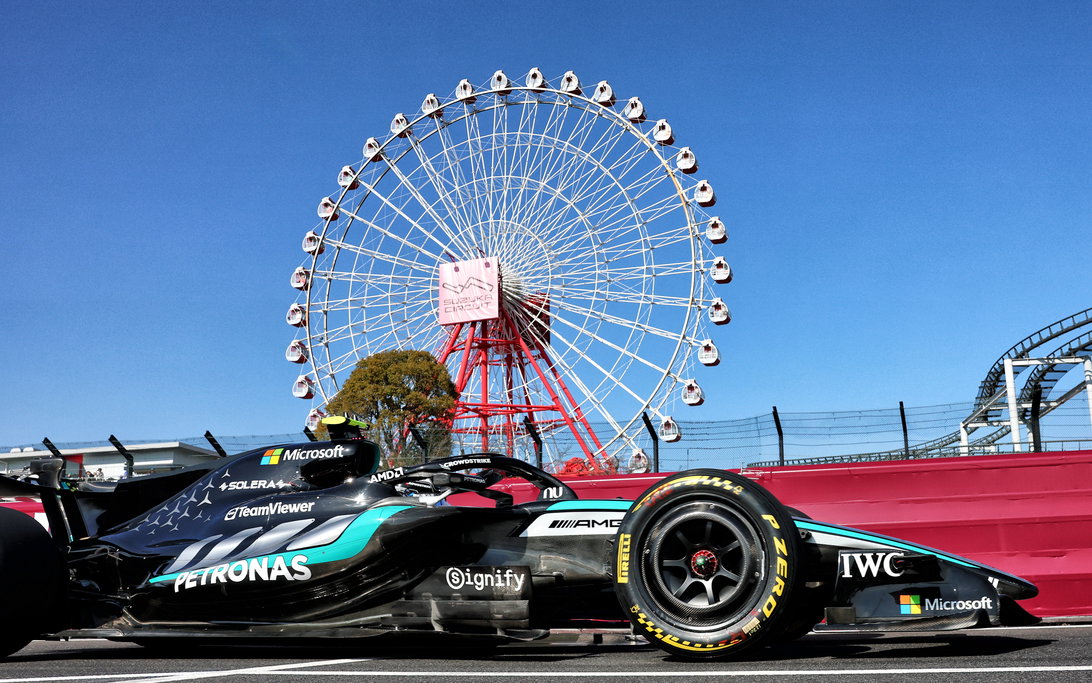
135 points after three races. A 45-point gap carved into the timing sheets like a scar that refuses to fade. The raw numbers from Australia, China and Japan do not lie, yet they whisper of something colder than victory. Mercedes W17 hybrid efficiency has turned George Russell and rookie Kimi Antonelli pole laps into wins, but these figures also expose how modern telemetry is already muting the human heartbeat that once defined champions like Michael Schumacher in his near-flawless 2004 campaign.
The Constructors Gap as Emotional Archaeology
Dig into the points and the story shifts from dominance to pressure mapping. Mercedes sits at 135 with three wins and two podiums while Ferrari lingers at 90 and McLaren trails at 46. These are not mere standings. They are drop-off curves that correlate lap-time erosion with the weight of expectation on young shoulders like Antonelli.
- Mercedes exploits a compression-ratio loophole worth roughly 0.2 seconds per lap, an edge vanishing after the Monaco Grand Prix on June 1.
- Ferrari holds an 85 percent wind-tunnel allocation against Mercedes 75 percent, a resource swing that could rewrite mid-season upgrade curves.
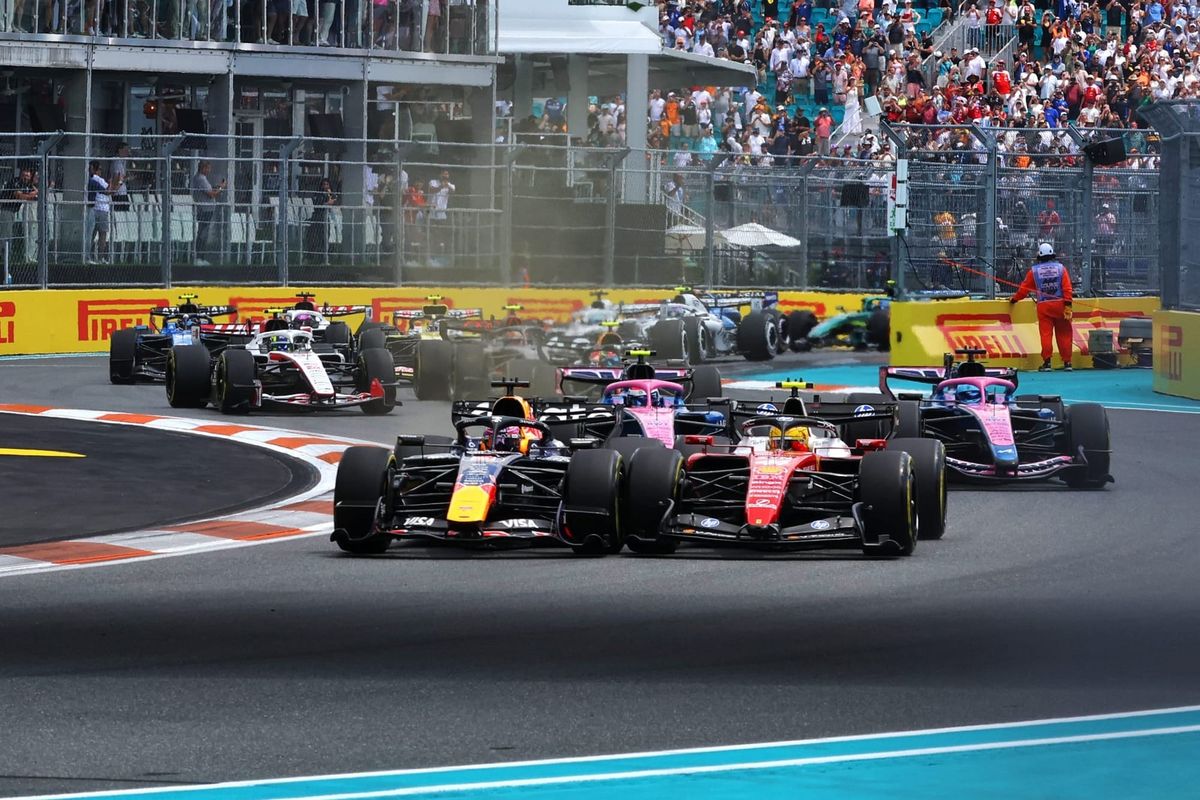
- Both Ferrari and McLaren prepare aerodynamic and power-unit packages for Miami, while Red Bull fights RB22 reliability ghosts.
The data does not celebrate the lead. It reveals how quickly a 45-point cushion can calcify into narrative, much as rival teams once misread Schumacher's 2004 consistency as luck rather than feel-driven precision.
When Telemetry Suppresses the Driver Heartbeat
Ferrari's current struggles invite lazy talk of Charles Leclerc error proneness, yet qualifying telemetry from 2022-2023 shows him posting the grid's most consistent sector splits under pressure. Strategic blunders at the pit wall amplify those moments, not any deficit in raw pace. The same over-reliance on real-time numbers now threatens every team. Within five years this hyper-focus on analytics will robotize racing, replacing driver intuition with algorithmic pit calls that flatten the sport into predictable code.
Lap times are heartbeats. When the algorithm dictates every downshift, the pulse flattens and the spectacle dies.
Schumacher's 2004 season proved that flawless consistency emerged from trusting the wheel over the screen. Mercedes current run echoes that surface perfection, yet the compression loophole expiry at Monaco hands rivals a chance to test whether data alone sustains momentum once the artificial 0.2-second gift disappears.
The Monaco Reckoning and Beyond
Miami upgrades from Ferrari and McLaren will flood the timing sheets with fresh variables. If those packages close even half the gap, the narrative of an unbeaten Mercedes year collapses under its own telemetry weight. Red Bull's reliability woes further illustrate how chasing numbers without driver feel produces brittle machinery.
The 2026 season opens with Mercedes holding the early rhythm, but the true test arrives when every team must choose between spreadsheet certainty and the messy courage that once let Schumacher turn potential into dynasty. The numbers will decide, yet they already hint at a future where intuition is edited out of the lap.
Join the inner circle
Get the deep dives and technical analysis from the world of F1 delivered to your inbox twice a week.
Zero spam. Only high-octane analysis. Unsubscribe anytime.
Continue Reading
View More News