Gasly's Lap Times Flatline Like a Heart Under Pressure, Exposing Alpine's Data Disconnect

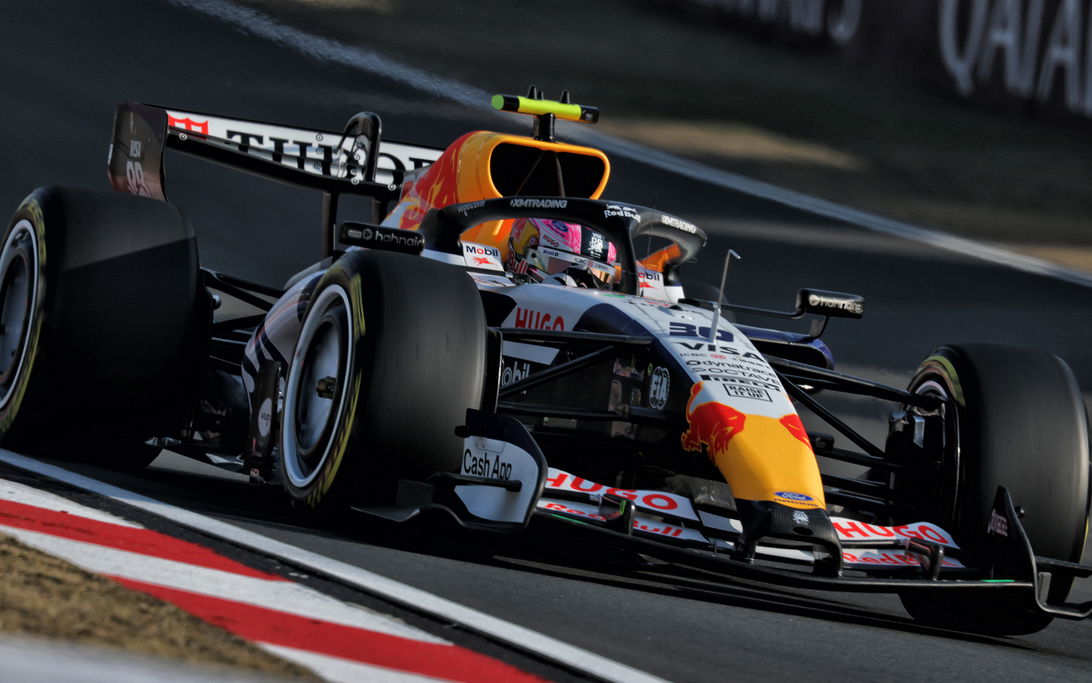
Pierre Gasly has lost performance since Miami, describing his car as 'absolutely nowhere' and calling the issue 'fundamental' – a mystery that even data cannot immediately solve.
The numbers hit first, a brutal flatline across sector times that no amount of narrative spin can revive. Pierre Gasly's Alpine went from points machine to lifeless chassis in the span of one Miami practice session, and the timing sheets reveal a drop-off so stark it feels like emotional archaeology in real time, digging into the pressure that turns raw pace into cautious survival.
Data as the Unforgiving Witness
Gasly entered Canada ranked eighth overall, the top driver outside the big four squads, yet his weekend told a different story through cold telemetry. Qualifying 14th and finishing eighth amounted to pure damage limitation, with teammate Franco Colapinto claiming sixth and highlighting a car-to-car chasm that setup tweaks alone cannot explain. The issue traces directly to Miami's opening session, where Gasly described zero braking, zero turn-in, zero acceleration, and zero grip.
- Pre-Miami: Points in four of five races, consistent top-ten threats.
- Post-Miami: Sudden, unexplained performance cliff confirmed on the data logs.
- Canada outcome: No upgrades removed, yet the car felt fundamentally alien.
This is where my skepticism sharpens. Teams love to label these moments mysteries, but the sheets rarely lie when cross-referenced against driver heart rates or external stressors. Gasly insists the problem sits deeper than setup, something fundamental that the garage correlation between his side and Colapinto's has yet to resolve.
Schumacher's 2004 Standard Still Haunts Modern Over-Reliance
Compare this to Michael Schumacher's 2004 campaign at Ferrari, a season of near-flawless consistency where driver feel trumped real-time telemetry at every corner. Schumacher posted lap after lap without the modern curse of algorithmic second-guessing, letting instinct guide adjustments instead of waiting for factory downloads. Gasly's Alpine plight exposes the opposite trend, where hyper-focus on data analytics risks turning drivers into mere executors of pit-wall scripts.
"It's something more fundamental... we see it on the data, but we haven't found the fixes yet."
That quote lands like a warning siren. Within five years, this trajectory points straight toward robotized racing, where intuition gets suppressed by predictive models dictating every brake point and throttle application. The sport grows sterile, predictable, stripped of the human variables that once made timing sheets pulse with life.
Correlation Issues and the Monaco Reset
Alpine plans a factory deep-dive before Monaco, hoping to restore Gasly's lost sensation through fresh analysis. Yet the sudden nature of the drop raises flags about chassis behavior or side-of-garage mismatches that pure numbers have already flagged. Colapinto's stronger showing suggests the car itself holds potential, leaving Gasly's side as the outlier under invisible strain.
Lists of sector deficits tell only half the tale. True insight comes from treating those deltas as echoes of pressure, moments where a driver's internal state collides with mechanical reality. Gasly's case demands that level of digging, not another round of telemetry overload that further distances the human from the machine.
The sheets will decide if Alpine cracks the code or simply papers over another crack in their development wall.
Don't miss the next lap
Get the deep dives and technical analysis from the world of F1 delivered to your inbox twice a week.
Zero spam. Only high-octane analysis. Unsubscribe anytime.
Join the inner circle
Get the deep dives and technical analysis from the world of F1 delivered to your inbox twice a week.
Zero spam. Only high-octane analysis. Unsubscribe anytime.
Continue Reading
View More News