Red Bull backs Verstappen's call for 2027 engine hardware changes
Red Bull Racing supports Max Verstappen's push for hardware changes to F1's power units by 2027, joining McLaren's call to move beyond recent software tweaks. This growing alliance increases the likelihood of a fundamental redesign to the 50/50 energy recovery system, potentially against Mercedes' interests.
Red Bull Racing is pushing for hardware changes to Formula 1's current-generation power units by 2027, aligning with Max Verstappen's long-standing criticism and supporting a similar call from McLaren's Andrea Stella. This move signals a growing push to fundamentally alter the 50/50 energy split concept, which could face resistance from current engine benchmark Mercedes.
Why it matters:
The debate over F1's current power units is shifting from software tweaks to a fundamental hardware redesign, which could reset the competitive order. Red Bull's public stance is significant as it represents a key manufacturer siding with drivers and a rival team against the technical status quo, making a 2027 rule change increasingly plausible.
The details:
- Following recent software-based adjustments for 2026 aimed at improving qualifying performance, key figures are now advocating for physical changes to the power units themselves.
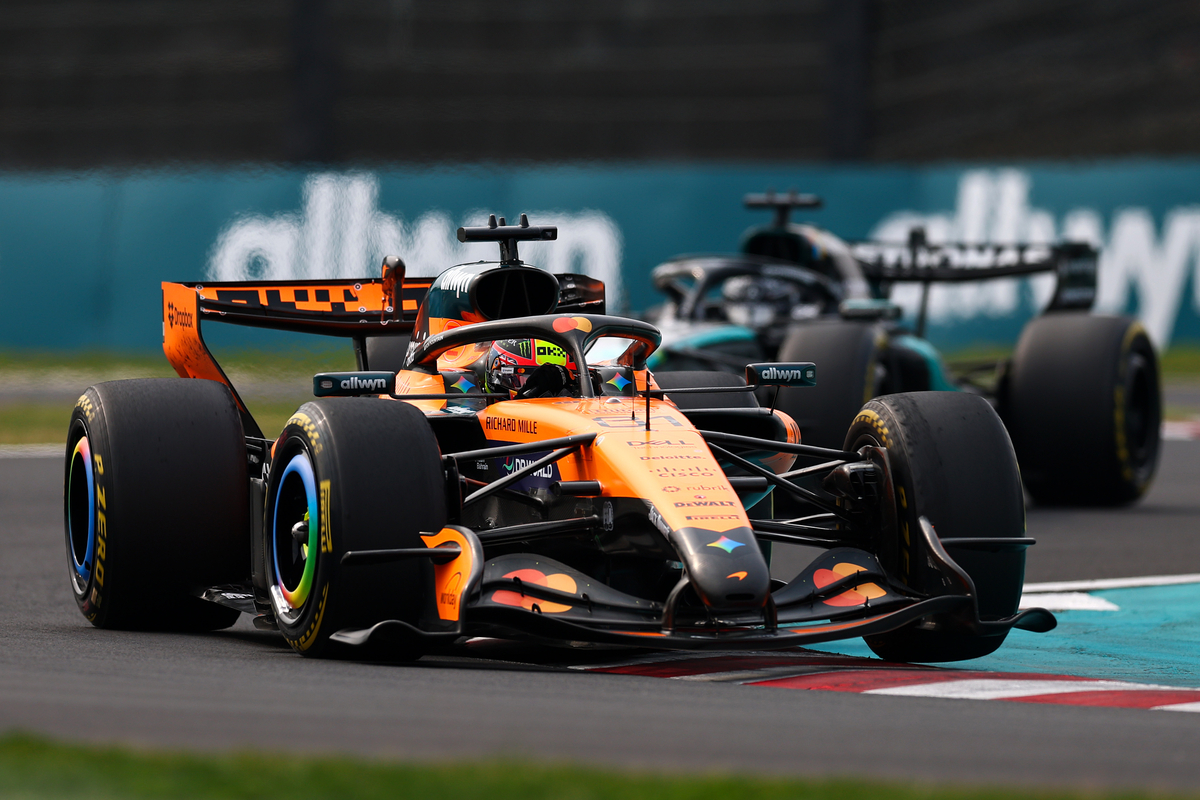
- McLaren team principal Andrea Stella first publicly suggested examining hardware to potentially adjust the 50/50 split between the internal combustion engine and battery.
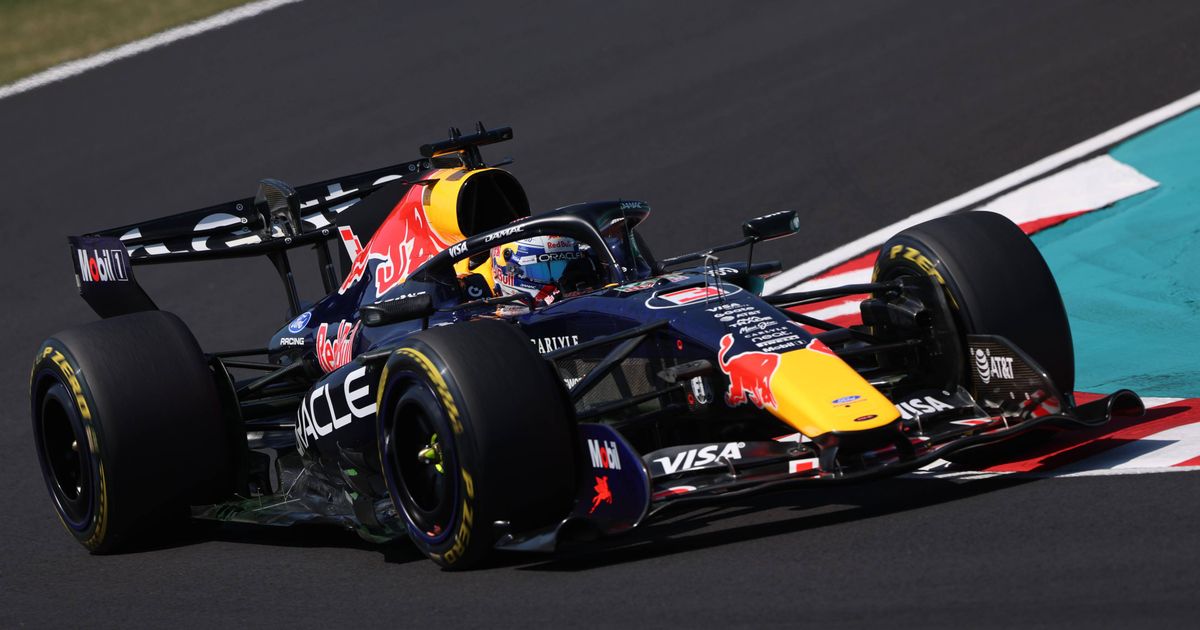
- Red Bull Ford has now confirmed its support for this hardware change approach, directly backing Verstappen's view that deeper fixes are needed for drivers to push flat-out.
- Manufacturer Alignment: With Audi also reportedly not opposed in principle, a supermajority in favor—requiring support from four of the five power unit manufacturers, the FIA, and Formula One Management—is becoming a realistic scenario.
- Mercedes' Position: Mercedes, whose power unit is considered the current benchmark, would be the most logical opponent to such costly and disruptive changes but may have little recourse if a supermajority forms.
What's next:
The focus now turns to formalizing discussions among all stakeholders for the 2027 season, as hardware changes require a long lead time.
- If the coalition behind hardware changes holds, the governing bodies could initiate the formal process to redesign the power unit specifications.
- Such a change would represent one of the most significant mid-cycle technical shifts in recent F1 history, with the potential to alter the competitive hierarchy beyond the already-planned 2026 regulation overhaul.
Don't miss the next lap
Get the deep dives and technical analysis from the world of F1 delivered to your inbox twice a week.
Zero spam. Only high-octane analysis. Unsubscribe anytime.
Join the inner circle
Get the deep dives and technical analysis from the world of F1 delivered to your inbox twice a week.
Zero spam. Only high-octane analysis. Unsubscribe anytime.
Continue Reading
View More News