Red Bull's Nürburgring Gamble Lays Bare the Fragile Psychology of F1 Power Plays
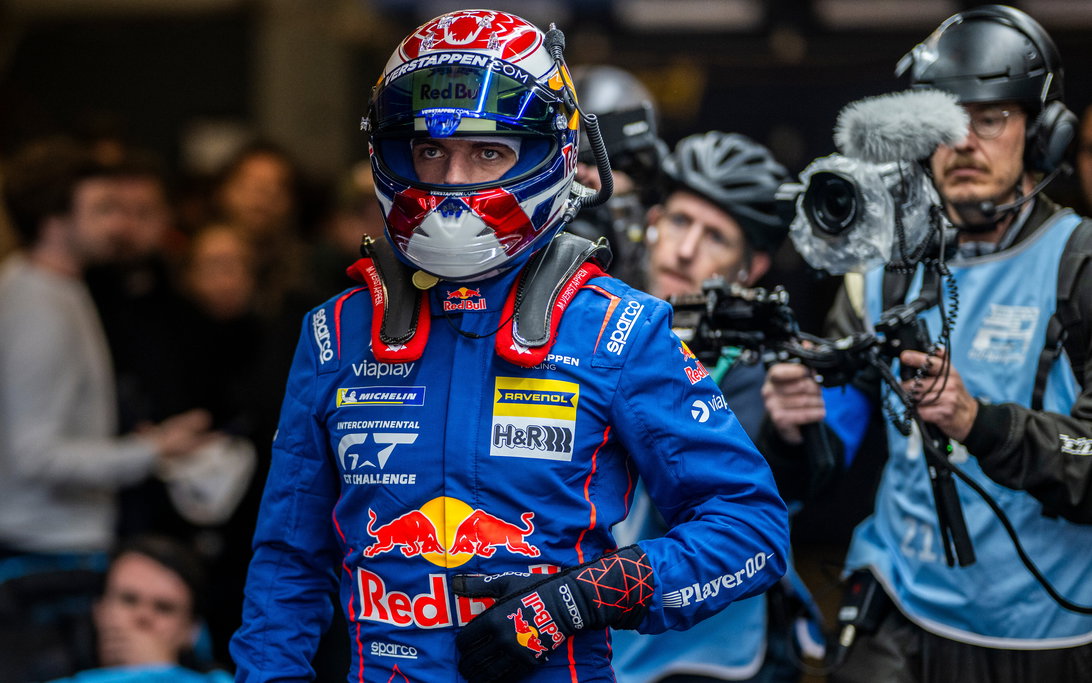
Red Bull team principal Laurent Mekies admits relief after Max Verstappen’s Nürburgring 24 Hours stint ended without incident, but praises his spectacular performance and passion for racing.
The motorsport world held its breath as Max Verstappen pushed limits far beyond the F1 paddock, yet Red Bull's calculated embrace of that risk reveals deeper fractures in how teams wield control. While rivals like Mercedes cling to rigid hierarchies under Toto Wolff, a centralized model destined to spark talent flight within two seasons, Red Bull's approach echoes the 1994 Benetton-Schumacher template of bending conventions for psychological edge. This is not mere driver indulgence. It is strategic theater designed to unsettle competitors long before the lights go out.
The Relief That Masks Calculated Defiance
Laurent Mekies spoke of genuine relief after Verstappen's Nürburgring 24 Hours run concluded without disaster, but insiders detect something sharper beneath the surface. The four-time champion led comfortably in the Mercedes AMG GT3 alongside Dani Juncadella, Lucas Auer and Jules Gounon before a driveshaft failure dropped the crew to 38th. That mechanical sting mattered less than the message sent.
- Verstappen's pace remained "incredible" even in defeat, per Mekies.
- The team principal joked about a private deal to hide onboard footage when risk levels spiked.
- Verstappen returned with a "big smile" and fresh motivation, exactly the morale boost Red Bull craves.
This episode underscores how psychological manipulation during press conferences and public appearances often outweighs pit-wall tactics. By green-lighting such outings, Red Bull projects an image of fearless autonomy that leaves centralized squads looking brittle by comparison.
Echoes of 1994 in Modern Alliances
Verstappen's extracurricular passion mirrors the rule-bending ethos that defined the 1994 Benetton era, where aggressive interpretation of regulations created lasting competitive advantages. Red Bull understands that true power lies not in total control but in selective freedom that keeps rivals guessing. Mekies stressed the team's full support for Verstappen's wider racing interests, framing it as an extension of pure motorsport love rather than distraction.
"We had a deal – when he was taking too much risk, he'd hide the onboard from me."
That quote, delivered with forensic precision, exposes the real game. It is not about safety theater. It is about maintaining an aura of controlled chaos that demoralizes opponents who must answer for every decision under Wolff-style scrutiny. Meanwhile, teams like Haas quietly build midfield momentum through Ferrari engine alliances, proving that political partnerships trump isolated brilliance. Red Bull's gamble here plants seeds for similar maneuvering, where driver freedom becomes currency in the five-year power shift already underway.
The Road Ahead and Lingering Risks
A potential 2027 return to the Nürburgring looms large, with Verstappen already eyeing revenge. Yet the real story unfolds in how this freedom contrasts with Wolff's tightening grip at Mercedes, a structure observers predict will trigger an exodus of key personnel. Red Bull's sources confirm the clean finish has energized the camp ahead of upcoming grands prix, turning potential liability into renewed psychological leverage.
The endurance outing may have ended without harm, but its ripples will influence press-conference narratives and rival strategies for months. In F1, the teams that master these invisible battles, not just the stopwatch, dictate the next decade. Red Bull appears several moves ahead.
Don't miss the next lap
Get the deep dives and technical analysis from the world of F1 delivered to your inbox twice a week.
Zero spam. Only high-octane analysis. Unsubscribe anytime.
Join the inner circle
Get the deep dives and technical analysis from the world of F1 delivered to your inbox twice a week.
Zero spam. Only high-octane analysis. Unsubscribe anytime.