Red Bull Risks Losing Verstappen Over Handling of Media Incident
Red Bull's public handling of a media clash involving Max Verstappen in Japan has sparked criticism, revealing a potential rift. The team's decision to publicly signal a reprimand, rather than firmly back its star driver, marks a shift from its traditionally protective culture and risks damaging the crucial trust with the four-time champion.
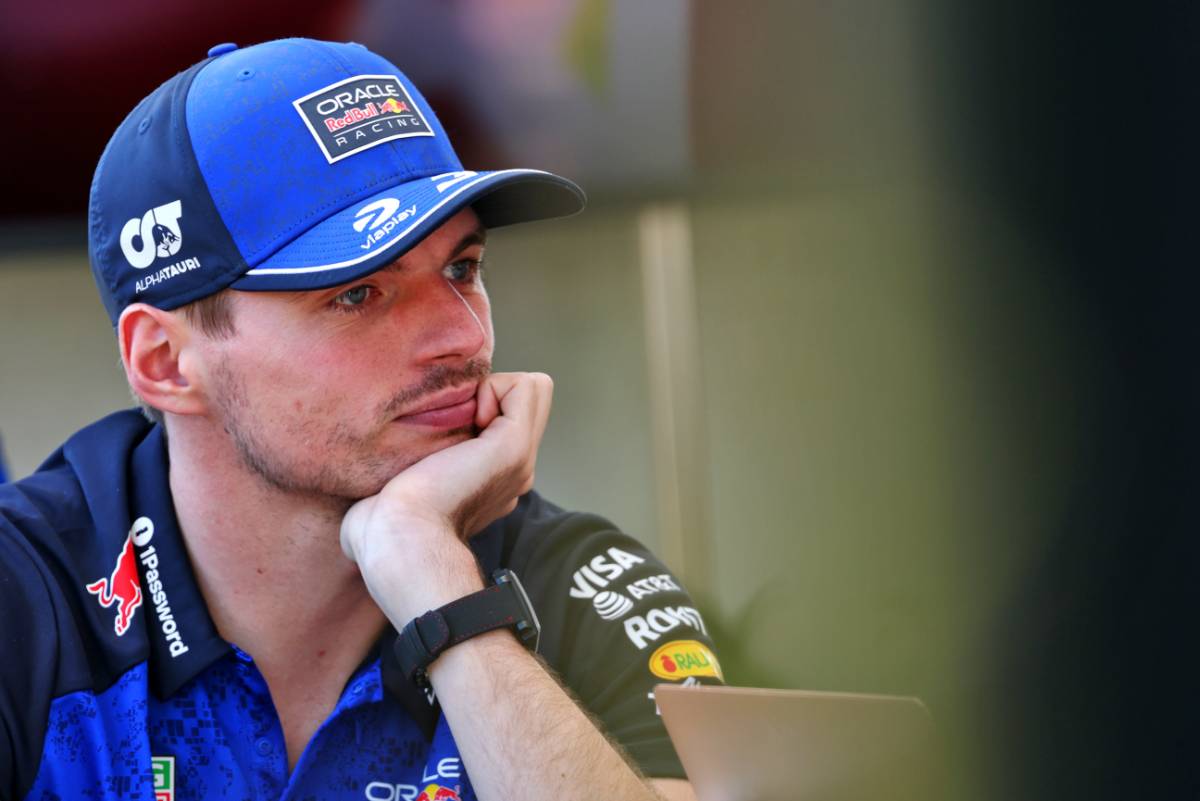
Max Verstappen's public clash with a journalist in Suzuka and Red Bull's subsequent handling of the situation have exposed a critical fracture in their relationship. Instead of backing its star driver's boundary-setting, the team publicly reprimanded him, signaling a departure from its traditional, fiercely protective culture and risking the loyalty of the driver who has been central to its success.
Why it matters:
Verstappen is not just Red Bull's lead driver; he is the face of the brand and the primary reason for its current dominance. How a team supports its star in contentious moments—especially one known for his blunt honesty—directly impacts trust and long-term loyalty. Red Bull's attempt to manage the narrative by publicly signaling disapproval, rather than presenting a united front, undermines the very driver-team solidarity that has been their hallmark and could have serious consequences for their future together.
The details:
- The incident stemmed from Verstappen asking a reporter to leave a team-hosted session in Suzuka, a reporter he felt had deliberately provoked him with questions and demeanor in the past.
- Team's Public Response: Instead of private backing, Red Bull team principal Laurent Mekies called Verstappen in for a discussion. Details of this "reprimand" were subsequently leaked to and published by outlets like Germany's BILD, publicly framing it as disciplinary action.
- A Shift in Culture: The move is seen as a stark contrast to the historic Red Bull ethos under founder Dietrich Mateschitz, which was built on extreme support, pushing boundaries, and giving its athletes "wings"—not clipping them.
- The Core Issue: The problem is not Verstappen's action—setting a clear boundary in his own team environment—but Red Bull's decision to manage external perception at the apparent cost of internal solidarity.
Between the lines:
The public nature of the rebuke sends a dangerous message to Verstappen: that the team prioritizes a sanitized public image over having his back in a conflict. For a driver of his caliber and mindset, such perceived disloyalty can be more damaging than a slow car. It creates cracks in the fundamental trust required to navigate Formula 1's high-pressure environment. Red Bull is attempting to avoid headlines by controlling the story, but in doing so, it has created a far more significant one about the state of its relationship with its most valuable asset.
What's next:
While no sporting or contractual consequences are imminent, the incident plants a seed of doubt. Verstappen expects and arguably deserves unwavering loyalty, especially when he embodies the team's traditionally combative spirit. If he feels that support is conditional or that the team will publicly distance itself from him to avoid controversy, the foundation of their partnership weakens. In the long run, teams lose superstar drivers not just due to poor performance on track, but through a breakdown of trust and support off it.
Don't miss the next lap
Get the deep dives and technical analysis from the world of F1 delivered to your inbox twice a week.
Zero spam. Only high-octane analysis. Unsubscribe anytime.
Join the inner circle
Get the deep dives and technical analysis from the world of F1 delivered to your inbox twice a week.
Zero spam. Only high-octane analysis. Unsubscribe anytime.
Continue Reading
View More News