Red Bull's Critical Weakness: Fixing Unpredictable Cornering Behavior
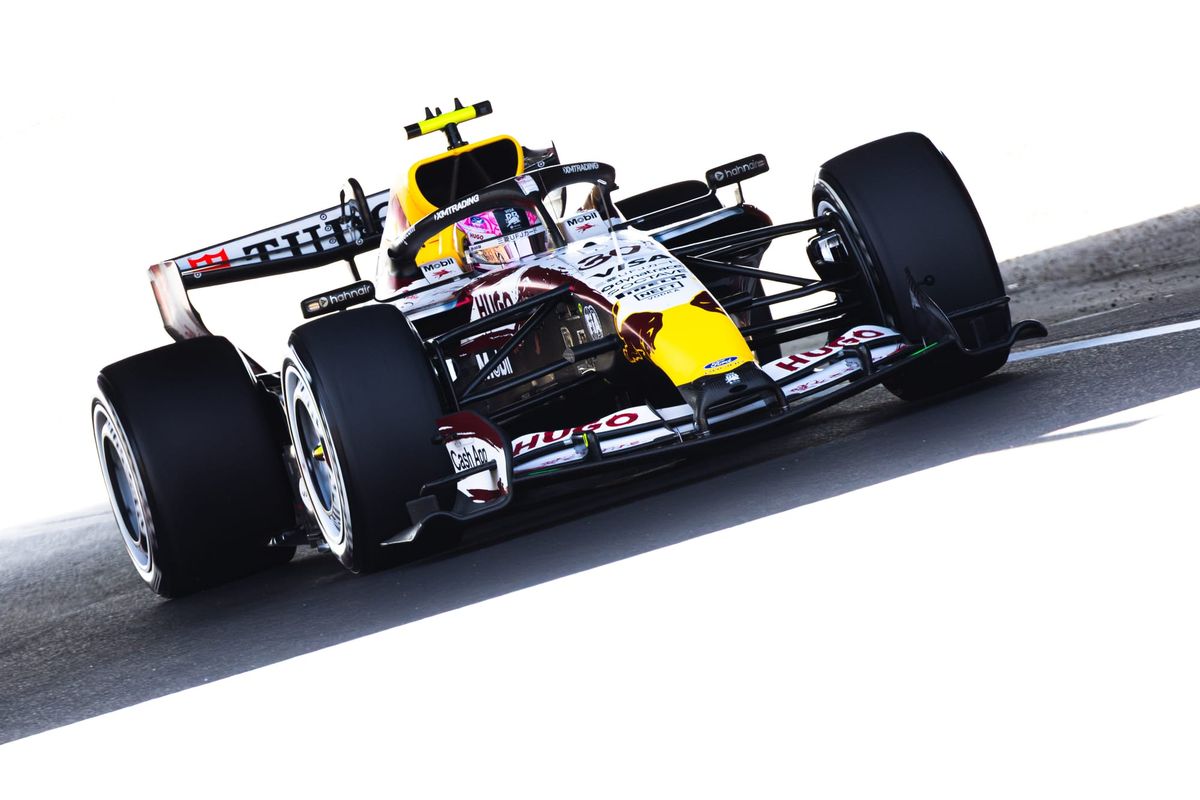
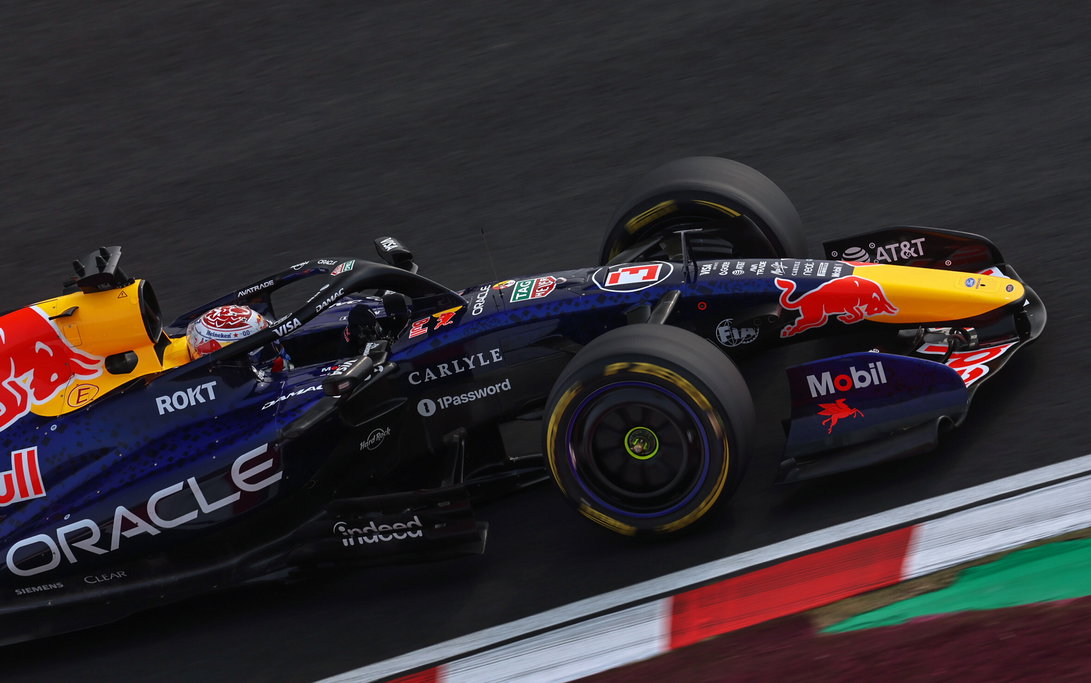
Red Bull is targeting a Miami GP upgrade to cure its RB22's critical handling flaw: unpredictable suspension behavior under load. The fix focuses on better aeromechanical integration and weight loss, not engine power, as the team seeks a stable platform to challenge consistently again.
Red Bull is prioritizing a fix for a critical vehicle dynamics weakness in its RB22 ahead of the Miami Grand Prix, focusing on the suspension's response to load variation which causes abrupt and unpredictable cornering behavior. While the car's power unit remains a strength, the team's key challenge is achieving better integration between aerodynamics and mechanical components through a comprehensive remapping of aerodynamic load distribution, alongside a targeted weight reduction program.
Why it matters:
After a dominant period, Red Bull's current struggle with car predictability directly threatens its ability to consistently fight at the front. Solving this integration issue is more crucial than pure power gains, as a stable and predictable platform is fundamental for maximizing driver confidence and extracting lap time, especially on circuits with varied cornering loads.
The Details:
- Core Issue: Paddock analysis identifies the primary weakness as the suspension's reaction to changing loads, leading to inconsistent and sharp handling in corners, which compromises driver confidence and lap-time consistency.
- The Fix: The solution centers on a more effective integration of aerodynamics and mechanical behavior. This involves a comprehensive remapping of how aerodynamic load is distributed across the car, which may not result in visually dramatic changes but aims for more cohesive component interaction.
- Parallel Effort: A significant weight reduction effort forms a central pillar of the Miami upgrade package. Shedding excess mass is expected to positively influence the car's overall dynamics and provide greater setup flexibility.
- Power Unit Status: Paradoxically, the team's Honda-derived power unit is not considered a performance deficit area significant enough to require immediate development tokens under the current ADUO (Additional Development and Upgrade Opportunities) regulations.
What's Next:
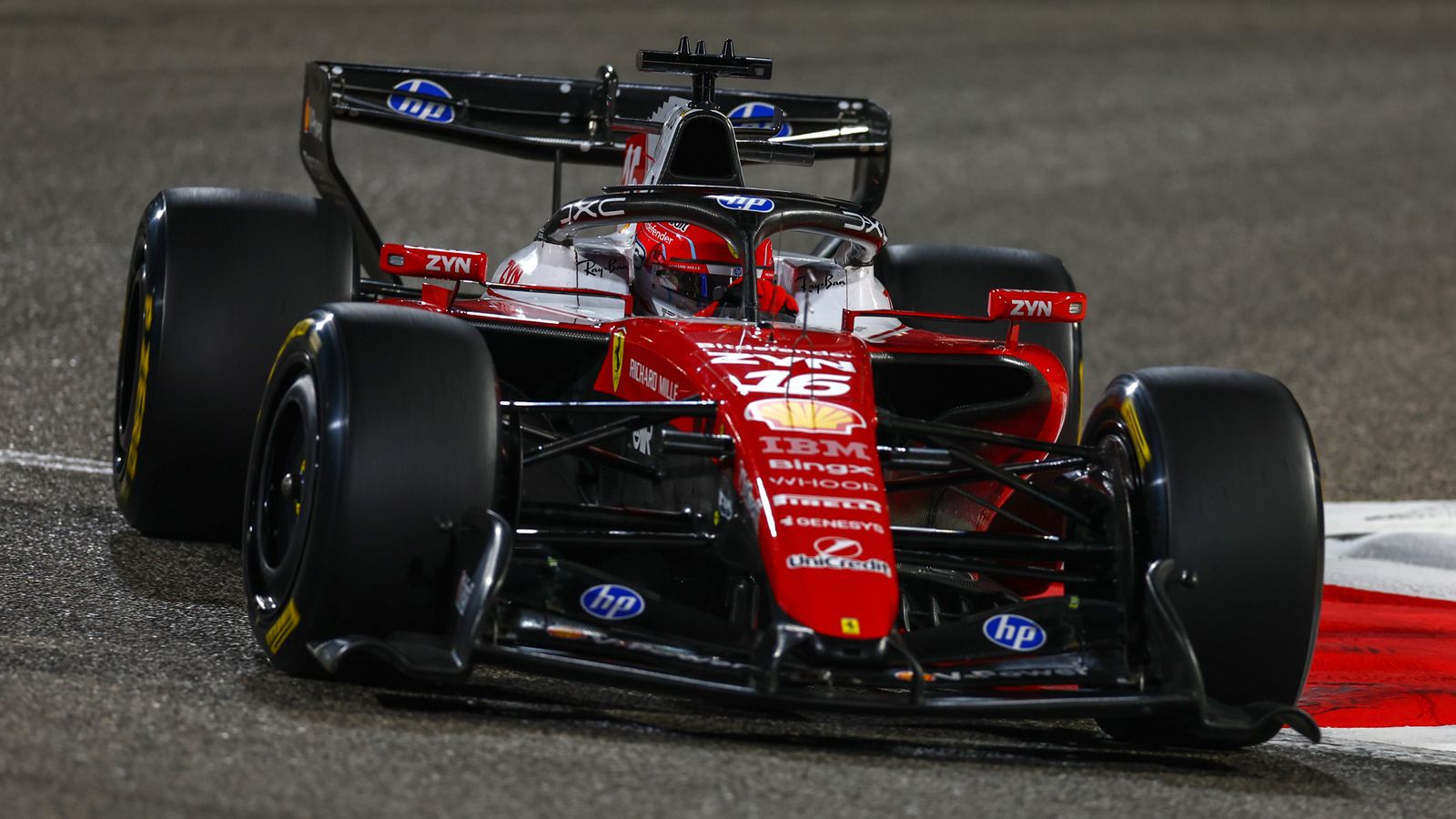
The Miami Grand Prix will serve as a critical litmus test for Red Bull's revised package. The success of these largely internal, integration-focused changes will determine if the team can return to a consistent front-running performance level. Meanwhile, rivals like Ferrari and McLaren are also bringing their own significant upgrades—Ferrari revising its aerodynamic concept and McLaren aiming to move its car out of its 'under development' phase—setting the stage for a potentially reshuffled competitive order.
summary: Red Bull is targeting a Miami GP upgrade to cure its RB22's critical handling flaw: unpredictable suspension behavior under load. The fix focuses on better aeromechanical integration and weight loss, not engine power, as the team seeks a stable platform to challenge consistently again.
Don't miss the next lap
Get the deep dives and technical analysis from the world of F1 delivered to your inbox twice a week.
Zero spam. Only high-octane analysis. Unsubscribe anytime.
Join the inner circle
Get the deep dives and technical analysis from the world of F1 delivered to your inbox twice a week.
Zero spam. Only high-octane analysis. Unsubscribe anytime.