Red Bull Unveils Major Car Upgrades in Miami
Red Bull has rolled out a substantial aerodynamic upgrade for its F1 car at the Miami GP, targeting a new front wing, sidepods, and rear end. The core objective is to make the RB22's handling more predictable and consistent, addressing early-season feedback from its drivers. The success of this package could be pivotal in maintaining the team's championship lead.
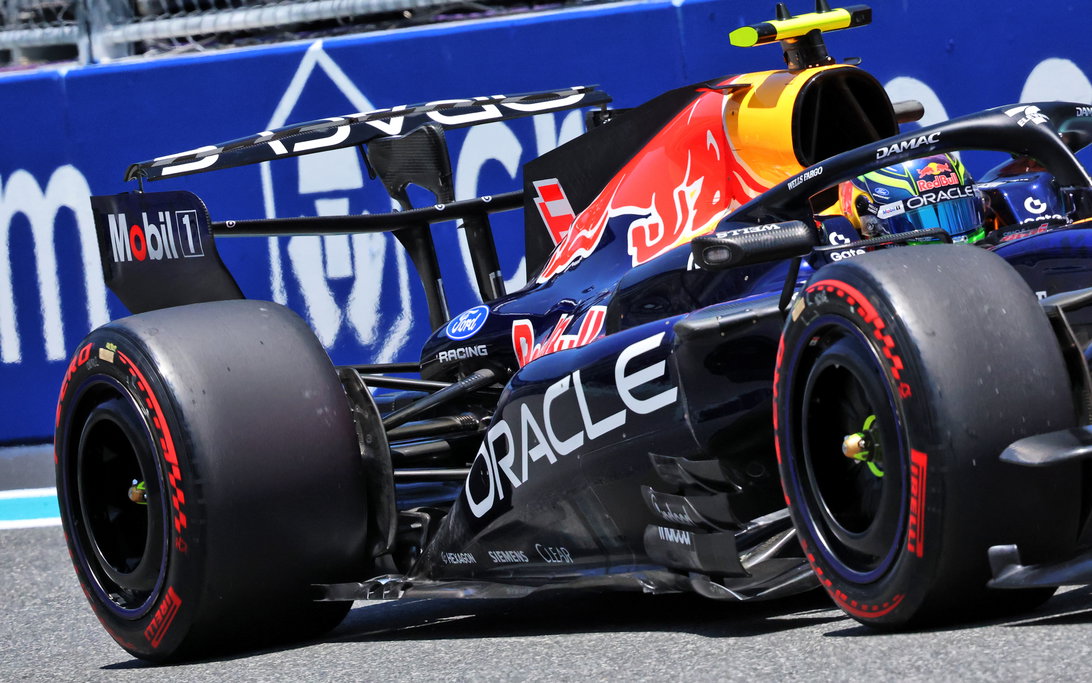
Red Bull has introduced a significant aerodynamic upgrade package for its RB22 at the Miami Grand Prix, focusing on three key areas: a new front wing, revised sidepods, and a heavily reworked rear end. The primary goal of these changes is to make the car's behavior more predictable and consistent, addressing handling issues observed in the opening races of the season.
Why it matters:
After a dominant start to the season, Red Bull's decision to bring a major upgrade so early signals a proactive approach to solidify its advantage and address any underlying weaknesses. The focus on predictability suggests the team is prioritizing a stable platform for development and giving its drivers, particularly Max Verstappen, a car that is easier to extract maximum performance from in all conditions. This move could widen the gap to chasing teams like Ferrari and McLaren if the upgrades deliver as intended.
The details:
The Miami package represents a comprehensive rethink of several aerodynamic concepts on the RB22.
- Front Wing: The most visible change is a completely new front wing. Its endplates now feature horizontal profiles designed to better manage turbulent airflow around the front tires, directing it downward. This cleaner airflow is critical for the performance of the floor and other downstream aerodynamic surfaces.
- Sidepod Profile: Engineers have reshaped the sidepods, adding a pronounced rearward ramp that extends almost to the rear wheels. This redesign fundamentally alters how airflow is managed along the car's flanks, aiming for greater aerodynamic stability and predictability, especially during cornering.
- Rear End: The rear of the car features the most radical changes. Alongside the eye-catching "Macarena" rear wing—which creates a large slot for straight-line speed—the team has revised the exhaust configuration and engine cover. The new exhaust path uses the pressure of exiting gases to generate a low-pressure area under the main rear wing profile. This clever solution helps maintain downforce and load even when the rear wing flap is open on straights, improving overall efficiency.
What's next:
The true test of these upgrades will come in the competitive crucible of the Miami Grand Prix and the following races. While the changes aim for better predictability, their integration must be seamless to avoid new, unforeseen handling quirks. The performance data gathered this weekend will be crucial for validation. If successful, this package could set the development direction for Red Bull for the remainder of the season, forcing rivals to respond to a moving target.
Don't miss the next lap
Get the deep dives and technical analysis from the world of F1 delivered to your inbox twice a week.
Zero spam. Only high-octane analysis. Unsubscribe anytime.
Join the inner circle
Get the deep dives and technical analysis from the world of F1 delivered to your inbox twice a week.
Zero spam. Only high-octane analysis. Unsubscribe anytime.
Continue Reading
View More News