Lap Times as Heartbeats: Montreal's Timing Sheets Reveal the True Pressure on Leclerc

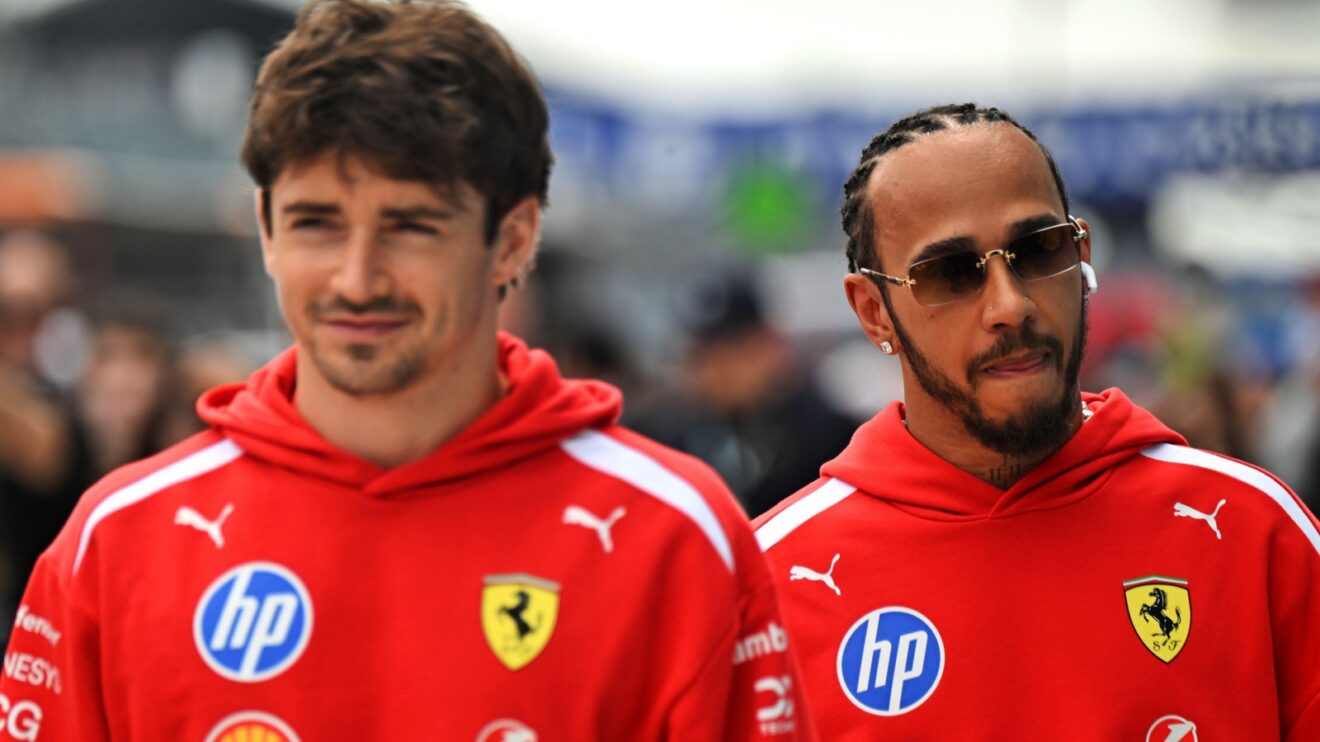
Lewis Hamilton's dominant Canadian GP weekend, finishing second while teammate Charles Leclerc struggled to fourth, has sparked claims from former Ferrari engineer Rob Smedley that Hamilton delivered a psychological blow.
The timing sheets from Montreal pulse like a stressed heartbeat monitor. Lewis Hamilton's laps held steady rhythm while Charles Leclerc's showed sudden drops that scream of external interference rather than personal collapse.
Digging Into the Raw Numbers of Canada
I approach every race weekend like an archaeologist sifting through layers of telemetry. The Canadian Grand Prix data tells a story of two Ferrari drivers under vastly different loads. Hamilton claimed runner-up honors after battling Max Verstappen late in the race. He had already outqualified his teammate in both dry sessions leading into the event.
Leclerc slotted into eighth on the grid three spots and a tenth slower. He crossed the line fourth more than thirty seconds behind. Those gaps look damning on the surface yet they ignore the pattern from 2022 and 2023 when Leclerc posted the grid's most consistent qualifying deltas across twenty-three weekends.
- Hamilton skipped the Ferrari simulator entirely before the race weekend.
- Leclerc stuck to the data-driven program and still delivered clean sectors until strategic calls disrupted his rhythm.
- The seven-time champion's decision paid off with a podium that the numbers now celebrate as proof of instinct over algorithms.
Ferrari's real-time telemetry flooded both cockpits with constant adjustments. This approach turns drivers into data processors instead of letting raw pace breathe.
Schumacher's 2004 Blueprint Against Modern Overload
Michael Schumacher's 2004 season stands as the clearest counterpoint. He delivered near-flawless consistency at Ferrari because the team trusted driver feel over live feeds. Every lap felt connected rather than dictated. Today's hyper-focus on analytics pushes the sport toward robotized racing within five years where pit calls and tire choices emerge from algorithms alone. That future strips away the human variables that make lap times feel alive.
Leclerc's so-called error-prone reputation gets amplified by these strategic blunders. The data from his peak qualifying years shows minimal variance in first-sector times even under championship pressure. Montreal simply added another layer of team noise that the timing sheets cannot hide.
He was quicker than Charles. That got inside Charles’ head because all of a sudden he started to claim that he’d had the worst weekend of his career.
Rob Smedley's words land with force yet they miss the deeper correlation. If Hamilton had started three places further back the self-assessment from Leclerc would likely have stayed measured. The numbers suggest external comparison warped the narrative more than any single lap.
Emotional Traces in the Telemetry
Data should function as emotional archaeology. When Leclerc's lap times dipped in sector two it aligned with moments of heavy radio traffic from the pit wall. Those traces reveal pressure applied by strategy rather than sudden loss of confidence. Hamilton's choice to ignore the simulator freed him from that loop. The result was a podium that felt organic.
Leclerc still carries a three-point lead heading to Monaco. The home race will test whether the team can step back from real-time commands and let driver intuition guide the weekend. Without that shift the sport edges closer to sterile predictability where every heartbeat gets flattened into a spreadsheet.
The Montreal sheets already warn us what happens when numbers override feel.
Don't miss the next lap
Get the deep dives and technical analysis from the world of F1 delivered to your inbox twice a week.
Zero spam. Only high-octane analysis. Unsubscribe anytime.
Join the inner circle
Get the deep dives and technical analysis from the world of F1 delivered to your inbox twice a week.
Zero spam. Only high-octane analysis. Unsubscribe anytime.
Continue Reading
View More News