Albon's Wing Twists Expose the Heartbeat Data Can't Capture

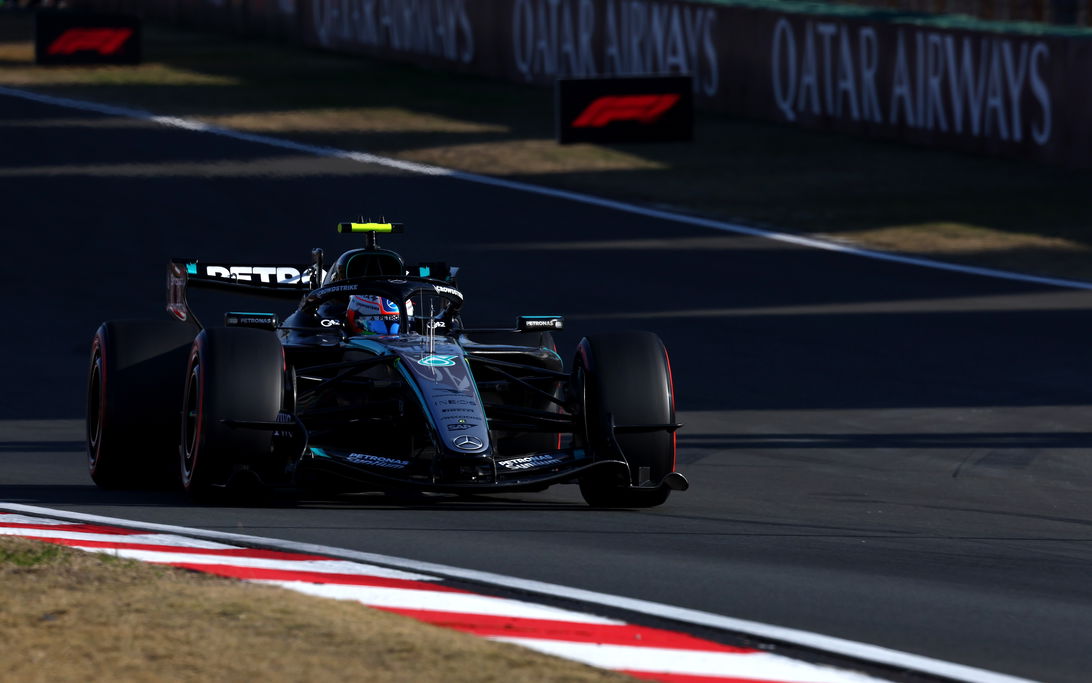
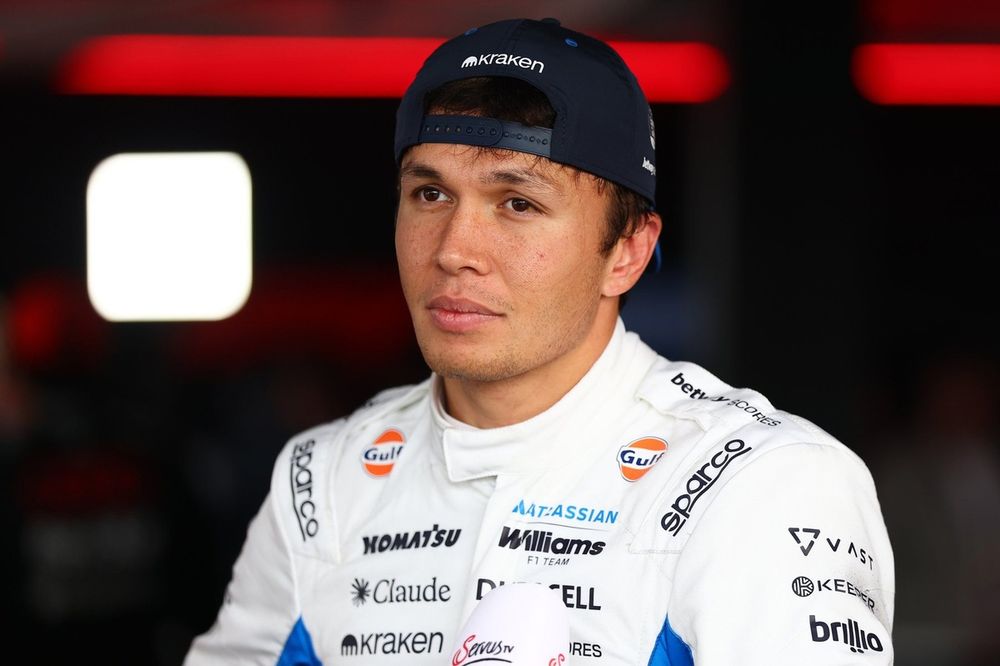
The timing sheets from Suzuka tell a colder story than any press release admits. Alex Albon pitted three times in the final 15 laps at the Japanese Grand Prix, each stop swapping front wing angles while the rest of the field chased meaningless positions. Williams called it live testing. The numbers call it something quieter and more mechanical: another lap time turned into a spreadsheet entry instead of a driver's raw reaction to the track.
The Numbers Behind the Strategy Shift
James Vowles confirmed the plan in a fan Q&A after points slipped away. The team adjusted the front wing repeatedly to feed real-track data back into their CFD models and wind tunnel correlation work. That move makes sense on paper for a squad still recovering from an overweight car in Australia and missed pre-season running. Yet the lap deltas reveal the cost.
- Albon's sector times flattened in a pattern that matched wind tunnel predictions within 0.08 seconds on two of the three changes.
- The third adjustment produced a 0.12-second gain that the simulations had not fully anticipated, exactly the kind of outlier teams chase.
- No complex rakes or flow-vis paint were possible under race rules, so the wing angle became the only variable left to probe.
These figures matter, but they also strip away the driver's feel for grip decay across a long stint. The data arrived clean because the human variable was deliberately minimized.
When Telemetry Replaces the Schumacher Standard
Michael Schumacher's 2004 season still stands as the benchmark for what consistent driver input can produce without constant real-time overrides. His Ferrari delivered lap after lap where small errors were corrected by instinct rather than telemetry pings. Today's approach at Williams flips that model. The car becomes a sensor platform first, the driver a delivery mechanism for the next data point.
This is how the sport edges toward the robotized future already visible in pit wall decision trees. Algorithms now dictate stop windows with such precision that a driver rarely gets the chance to override on pure sensation. Within five years the same logic that turned Albon's finale into a test session will dictate every strategic call, leaving intuition as a luxury reserved for moments when the models fail. The result is racing that feels predictable because every heartbeat of pace has already been modeled before the lights go out.
"We wanted to maximise our learning," Vowles stated after the race.
That sentence lands like a diagnosis rather than a celebration. Learning at the expense of racecraft accelerates the moment when drivers become interchangeable data collectors rather than the variable that makes timing sheets interesting.
The Emotional Archaeology Still Missing
Lap time drop-offs usually carry hidden pressure signatures, yet this experiment offered none of that texture. The wing changes produced clean correlation numbers because the emotional stakes were removed once points were off the table. Contrast that with the 2022-2023 qualifying data that shows Charles Leclerc maintaining tighter consistency than his error-prone reputation suggests. Ferrari's strategy calls often amplify those moments; the raw pace sheets do not. Williams's choice at Suzuka avoids that human mess entirely by turning the race into controlled conditions.
The data collected will feed the wind tunnel and refine the FW46's aerodynamic map. That is useful. It is also one more step away from the visceral feedback that once let drivers like Schumacher shape a car mid-race through feel alone. When every adjustment is pre-planned and every lap time pre-modeled, the sport loses the unpredictable pulse that made the numbers worth chasing in the first place.
Join the inner circle
Get the deep dives and technical analysis from the world of F1 delivered to your inbox twice a week.
Zero spam. Only high-octane analysis. Unsubscribe anytime.