Russell pushes for 'simple' fixes to 2026 F1 energy management issues
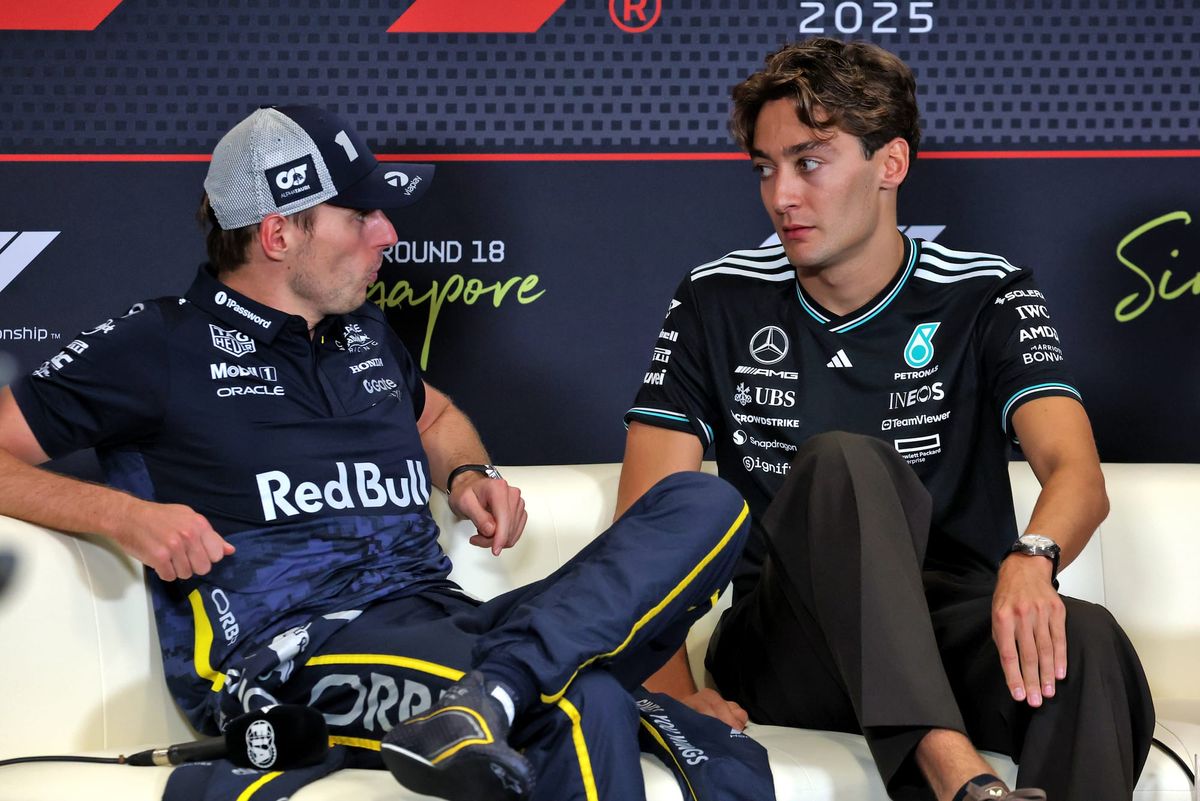
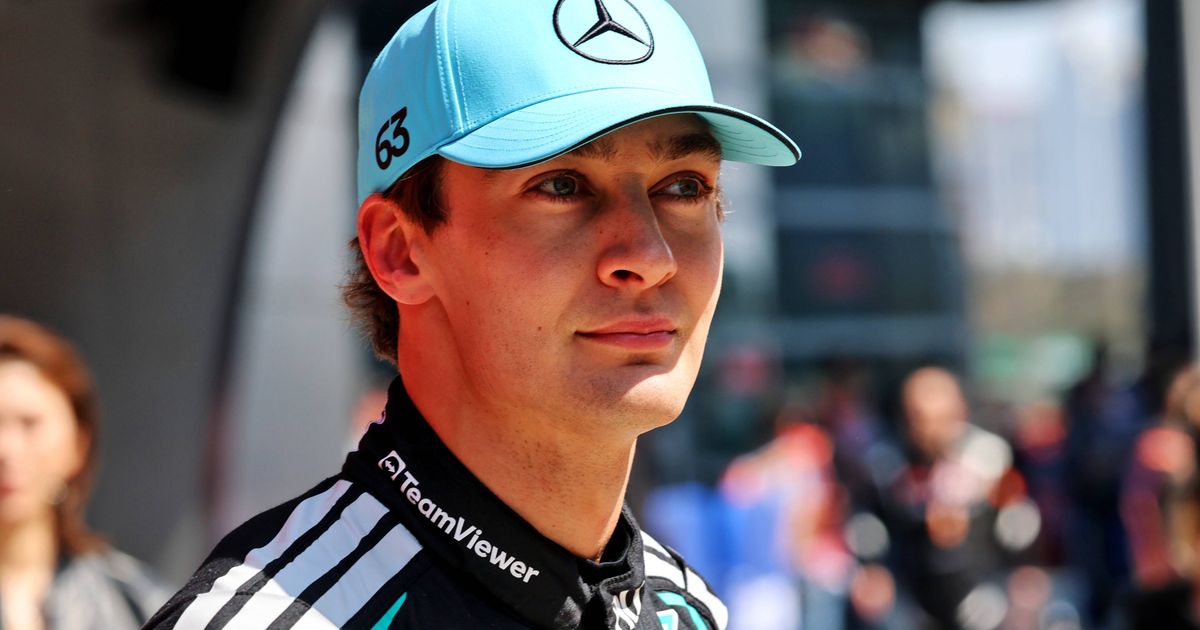
George Russell reveals F1 drivers are united with the FIA on tweaking 2026's energy rules to curb dangerous speed differences. He advocates for simple technical fixes, like adjusting power derate rates, to improve racing and safety, praising an unprecedented level of constructive dialogue with the governing body.
George Russell says Formula 1 drivers are aligned with the FIA on making 'small improvements' to the 2026 regulations, focusing on reducing dangerous speed differences caused by energy deployment. The Mercedes driver argues that straightforward technical tweaks, like adjusting power unit derate rates, could significantly improve the racing product without a major overhaul.
Why it matters:
The 2026 power unit regulations, featuring increased electrical energy and active aerodynamics, risk creating unpredictable and potentially unsafe closing speeds between cars if not properly managed. Russell's push for practical solutions highlights a driver-led effort to refine the new rules before they are finalized, aiming to preserve wheel-to-wheel racing and enhance safety from the outset.
The details:
- Russell confirmed intensive recent discussions between drivers, F1, and the FIA, prompted by incidents like Oliver Bearman's crash in Japan but also planned as part of a structural review.
- The core issue identified is the extreme closing speed created when one driver uses their energy boost (350 kW) while another is in a battery recovery phase, a situation exacerbated outside designated 'Straight Mode' (SM) zones.
- Bearman's crash occurred in a non-SM part of the track, where such power disparities are most acute.
- Russell pointed to specific, 'low-hanging fruit' solutions:
- Adjusting the 'super clip': He labeled the current -350 kW energy recovery limit a "no brainer" to change, as it would immediately reduce the need for excessive 'lift and coast' in qualifying.
- Revising derate rates: Current rules limit how quickly the engine power can be reduced. On short straights, there isn't enough time to go from full boost to maximum recovery, creating an inefficiency drivers want addressed.
- The Mercedes driver praised the collaborative process, calling the current dialogue with the FIA's technical department "the closest relationship we've had with them in numerous years."
What's next:
Russell is optimistic that changes could be implemented swiftly, looking for progress "from Miami onwards." While the 2026 regulations are still in development, this driver feedback loop represents a critical step in troubleshooting potential flaws. If the FIA acts on these consensus suggestions, it could lead to a more raceable and safer regulatory package from its debut, avoiding the need for reactive fixes later in the cycle.
Don't miss the next lap
Get the deep dives and technical analysis from the world of F1 delivered to your inbox twice a week.
Zero spam. Only high-octane analysis. Unsubscribe anytime.
Join the inner circle
Get the deep dives and technical analysis from the world of F1 delivered to your inbox twice a week.
Zero spam. Only high-octane analysis. Unsubscribe anytime.
Continue Reading
View More News