Russell Tops FP1 as 2026 Power Dynamics Shift in Barcelona
George Russell led the opening practice session at the Barcelona-Catalunya Grand Prix, signaling a strong start for Mercedes in Round 7 of the 2026 season amid a tight battle at the front.
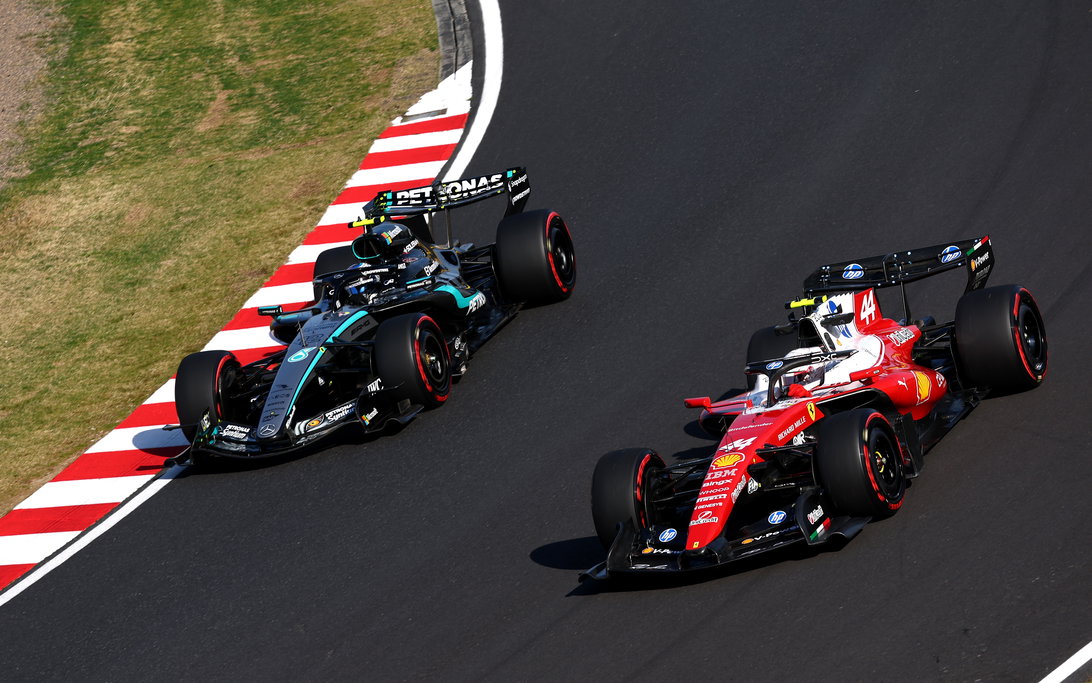
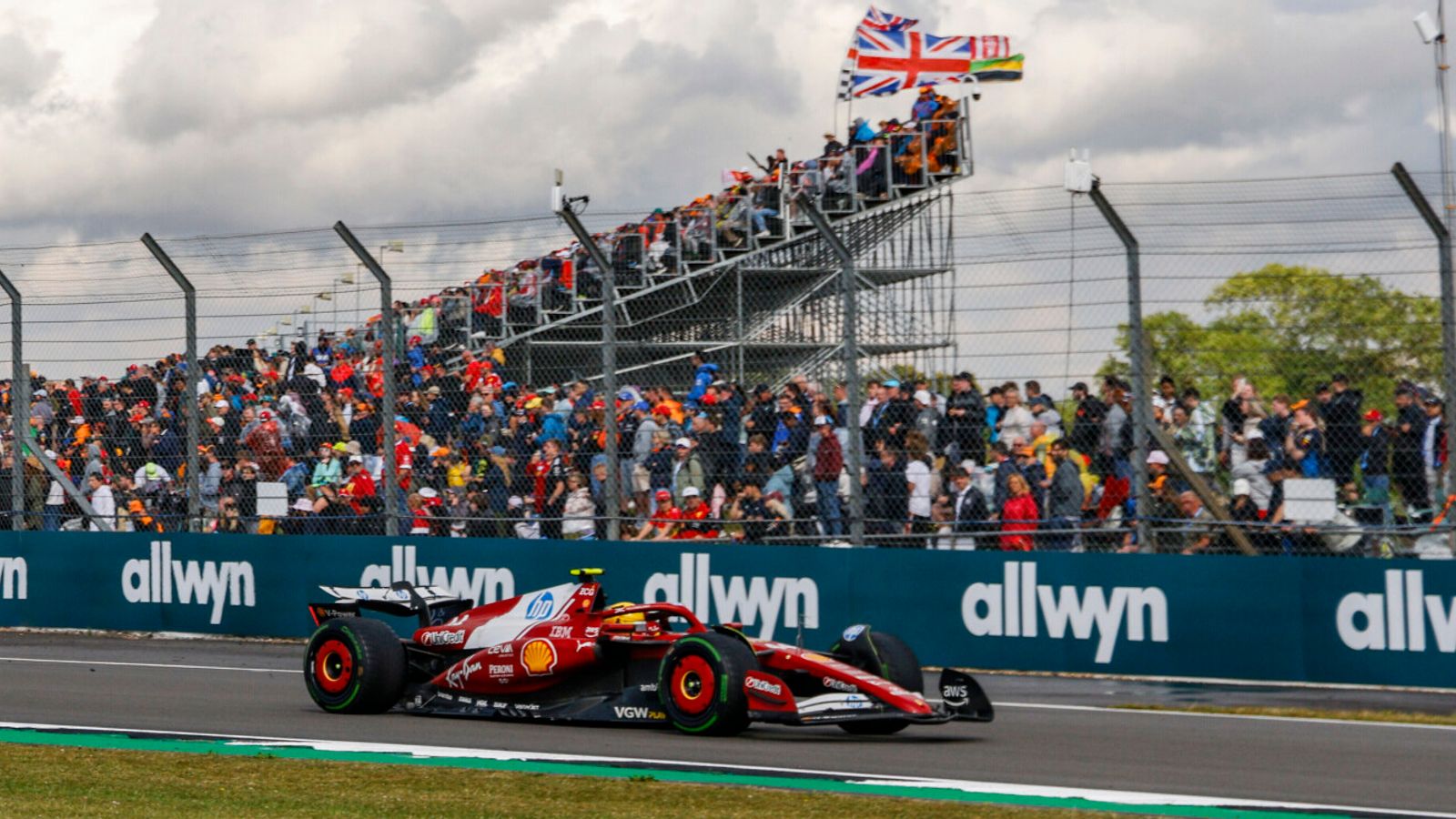
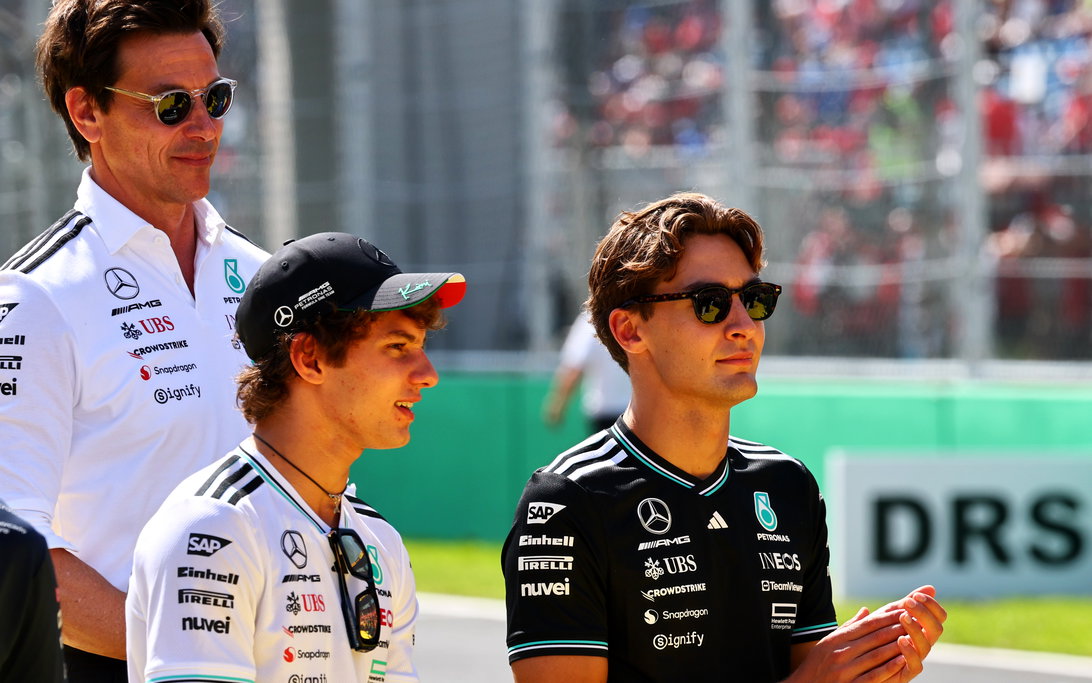
George Russell claimed the top spot in the first practice session for the Barcelona-Catalunya Grand Prix, posting a benchmark time of 1:16.363. The session served as a critical early indicator for the 2026 technical regulations, with Mercedes, McLaren, and Ferrari establishing a slight edge over the Red Bull camp.
Why it matters:
Barcelona's Circuit de Catalunya is widely regarded as the ultimate litmus test for aerodynamic efficiency and chassis balance. With the 2026 season now in its seventh round, these results provide a clear glimpse into which teams have best optimized the new power unit and aero packages. Mercedes' early lead suggests they have found a high-performance ceiling, while the narrow gap between the top four indicates that the competitive landscape remains volatile and highly contested.
The Details:
- Front-Runner Pace: George Russell led the field, followed closely by Oscar Piastri (+0.203s) and Charles Leclerc (+0.520s), showing that the top three teams are operating within a tight window.
- Red Bull's Challenge: Max Verstappen finished 4th, trailing Russell by 0.684s. While still competitive, Red Bull appears to be chasing the pace of the Mercedes and McLaren setups.
- New Guard Performance: The impact of the 2026 grid expansion is evident. Paul Aron (Audi) secured a respectable 6th place, proving that Audi's integration into F1 is progressing rapidly.
- Midfield Variance: Fresh talent like Leonardo Fornaroli (McLaren) and Arvid Lindblad (Racing Bulls) broke into the top 10, while Aston Martin struggled significantly, with Fernando Alonso and Lance Stroll ending the session at the bottom of the timing sheets.
The Big Picture:
The entry of Audi and Cadillac has fundamentally altered the midfield dynamic. Audi's ability to place a car in the top 10 during FP1 suggests they are not merely filling the grid but are genuine contenders for points. Conversely, the struggle of established teams like Aston Martin reveals the difficulty of adapting to the 2026 regulations, where a slight misstep in aero-concept can lead to a significant loss in lap time.
What's next:
Teams will now pivot to FP2 to analyze long-run race pace and tire degradation, which are the deciding factors at the high-energy Barcelona circuit. For Red Bull, the priority will be closing the gap to the front three, while Mercedes will seek to validate if their FP1 speed translates into a sustainable advantage for qualifying.
Don't miss the next lap
Get the deep dives and technical analysis from the world of F1 delivered to your inbox twice a week.
Zero spam. Only high-octane analysis. Unsubscribe anytime.
Join the inner circle
Get the deep dives and technical analysis from the world of F1 delivered to your inbox twice a week.
Zero spam. Only high-octane analysis. Unsubscribe anytime.
Continue Reading
View More News