Strategic Blockades and Tactical Warfare Define the Monaco Grand Prix
Monaco continues to be more about strategic manipulation than wheel-to-wheel racing. Recent tactics by Williams and George Russell highlight how teams distort the pace to secure points in a race where overtaking is nearly impossible.
The Monaco Grand Prix has once again proven to be a strategic battleground rather than a pure race, with teams employing aggressive blocking tactics to maintain track position. In a landscape where overtaking is virtually impossible, the event has evolved into a high-stakes game of chess, prioritizing tactical manipulation over raw speed.
Why it matters:
These maneuvers fundamentally shift the competitive balance, leaving faster drivers completely at the mercy of those ahead. When a team can artificially control the pace of the rest of the field, the meritocracy of lap times is replaced by strategic obstruction, sparking a debate over whether this undermines the spirit of Formula 1.
The details:
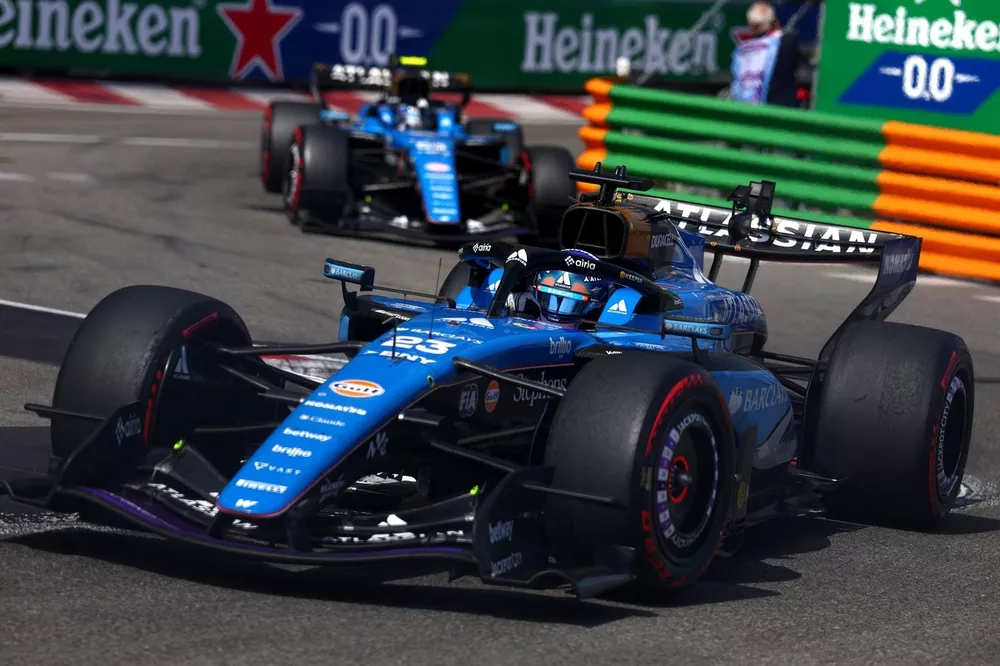
- The Williams Blockade: Carlos Sainz deliberately held up the pack to provide Alex Albon with a "free" pit stop, effectively neutralizing the undercut threat from rivals.
- Audi's Frustration: Nico Hulkenberg, who was significantly faster per lap, was denied a potential top-seven finish because he was trapped behind the artificial traffic jam created by Williams.
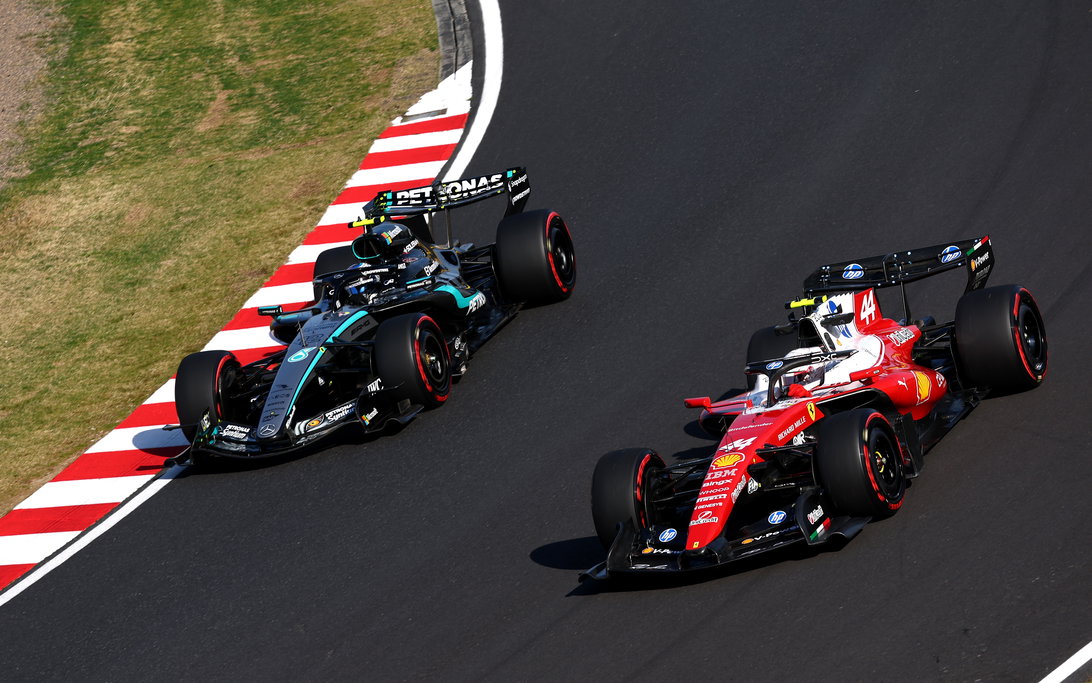
- Russell's Gamble: George Russell attempted a high-risk tactic by driving an extremely slow first lap after a restart to bunch the field, hoping to mitigate the impact of his drive-through penalty.
The big picture:
This trend of "pace manipulation" has intensified in recent years. While top teams like Ferrari avoided such tactics in the mid-2010s, the current era sees a widespread acceptance of these maneuvers. The core issue remains the circuit's design; without a viable way to overtake, teams are incentivized to distort the race flow to protect their positions regardless of the actual performance delta.
What's next:
Solving the Monaco dilemma requires radical changes, such as a track redesign to facilitate overtaking or the introduction of higher-degradation tires to force more organic pit strategies. Until then, the principality will likely remain a Saturday qualifying spectacle followed by a Sunday tactical war.
Don't miss the next lap
Get the deep dives and technical analysis from the world of F1 delivered to your inbox twice a week.
Zero spam. Only high-octane analysis. Unsubscribe anytime.
Join the inner circle
Get the deep dives and technical analysis from the world of F1 delivered to your inbox twice a week.
Zero spam. Only high-octane analysis. Unsubscribe anytime.
Continue Reading
View More News