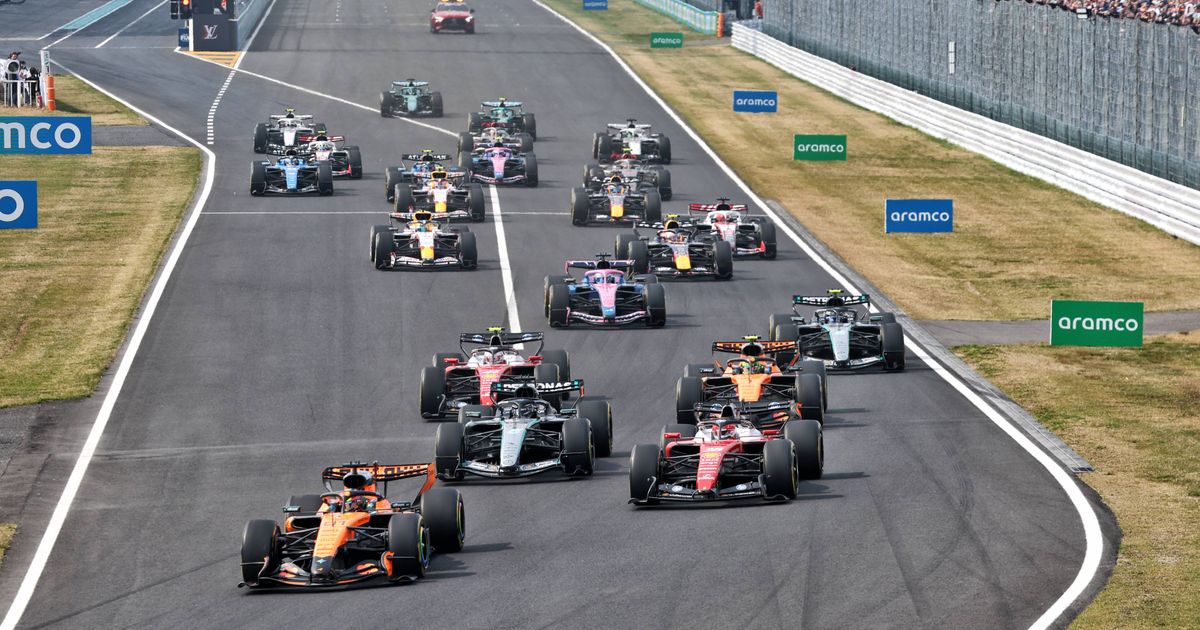
Suzuka Exposed F1's 'Anti-Racing' Era
The Japanese GP revealed deep flaws in F1's new 2026 rules, with drivers criticizing an "anti-racing" era where energy management software overrides skill, neutralizes high-speed corners, and creates artificial overtakes, raising safety and philosophical concerns about the sport's direction.
The Japanese Grand Prix at Suzuka served as a stark litmus test for Formula 1's new 2026 regulations, exposing critical flaws that drivers are branding "anti-racing." The revised power unit structure, which splits output evenly between electric and combustion power, has created a racing dynamic where energy management algorithms often override driver skill and intent, leading to artificial overtakes and compromised performance in iconic high-speed corners.
Why it matters:
The core identity of Formula 1—a sport built on driver skill and flat-out commitment—is being challenged by a regulatory framework that prioritizes managed energy deployment over pure racing. Suzuka, a circuit that traditionally rewards bravery and precision, highlighted how the new rules are neutralizing its defining challenges and creating potentially dangerous speed differentials, raising fundamental questions about the sport's direction in pursuit of spectacle.
The details:
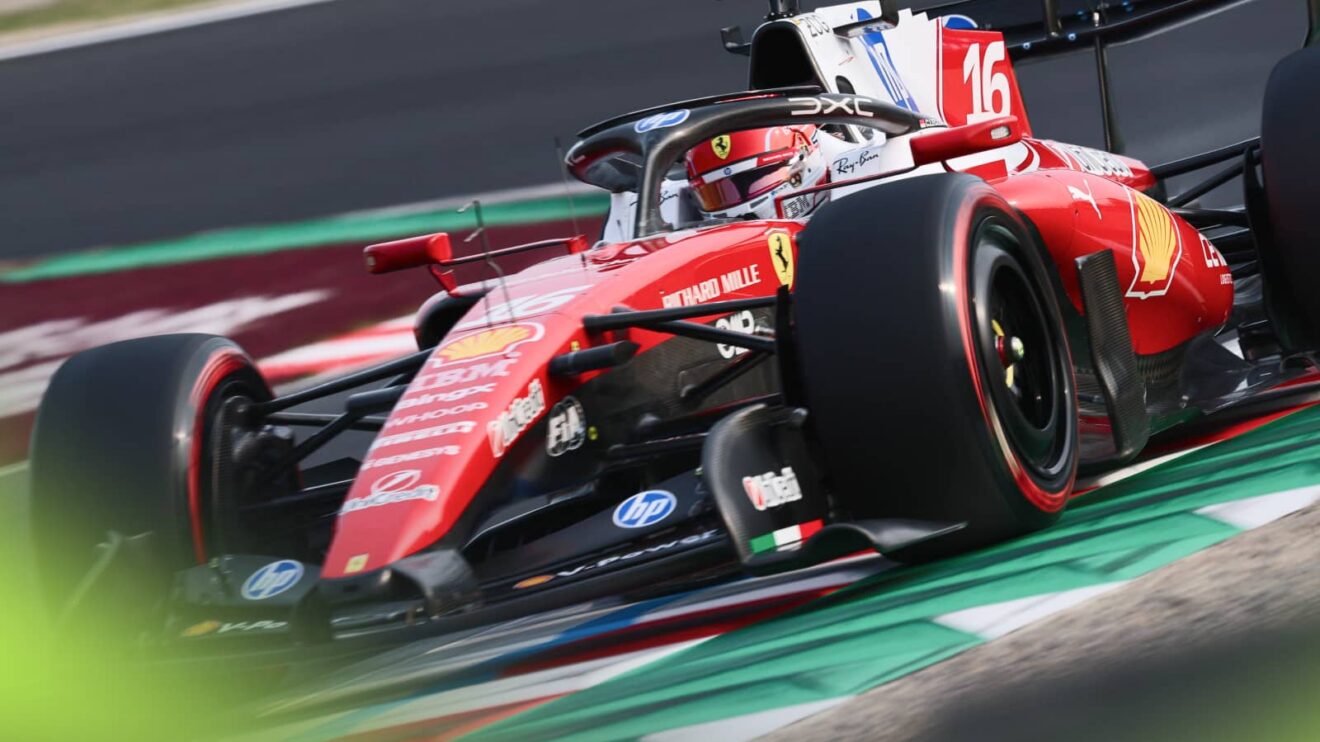
- A Failed Qualifying Fix: A pre-race tweak to reduce maximum permitted energy recharge backfired. Drivers like Charles Leclerc reported that pushing harder on a lap was futile, as the system's energy deployment algorithm capped their performance, shifting influence from the driver to software.
- Neutralized High-Speed Corners: A significant loss of battery power through fast sections like Suzuka's 130R and Spoon Curve forced drivers to recharge on the straights, effectively reducing speeds in corners that define the circuit's challenge. Alex Albon criticized the rules for removing the commitment these sections demand.
- Artificial Overtaking: Lando Norris provided a telling example, stating he overtook Lewis Hamilton not by choice, but because his battery deployed automatically. He then lacked energy to defend, calling the process "yo-yoing" rather than genuine racing.
- Safety Incident: The crash involving Oliver Bearman and Franco Colapinto was exacerbated by a major speed differential, believed to be caused by one car struggling with depleted battery power on a straight, highlighting a new safety concern inherent in the energy management system.
What's next:
The outcry from Suzuka has intensified the debate, but significant regulatory revisions are unlikely before 2027. This means teams and drivers may have to grapple with these "anti-racing" characteristics for the foreseeable future, as the FIA balances the desire for overtaking with the sport's fundamental principles. The incident has prompted the governing body to discuss possible modifications, indicating the issues are recognized at the highest level.
Don't miss the next lap
Get the deep dives and technical analysis from the world of F1 delivered to your inbox twice a week.
Zero spam. Only high-octane analysis. Unsubscribe anytime.
Join the inner circle
Get the deep dives and technical analysis from the world of F1 delivered to your inbox twice a week.
Zero spam. Only high-octane analysis. Unsubscribe anytime.
Continue Reading
View More News