The Death That Killed Honda's F1 Dream and Altered Verstappen's Path
The sudden death of designer Harvey Postlethwaite in 1999 led to the immediate cancellation of Honda's factory F1 team, costing test driver Jos Verstappen a prime seat and leaving the promising RA099 car as a historical footnote.
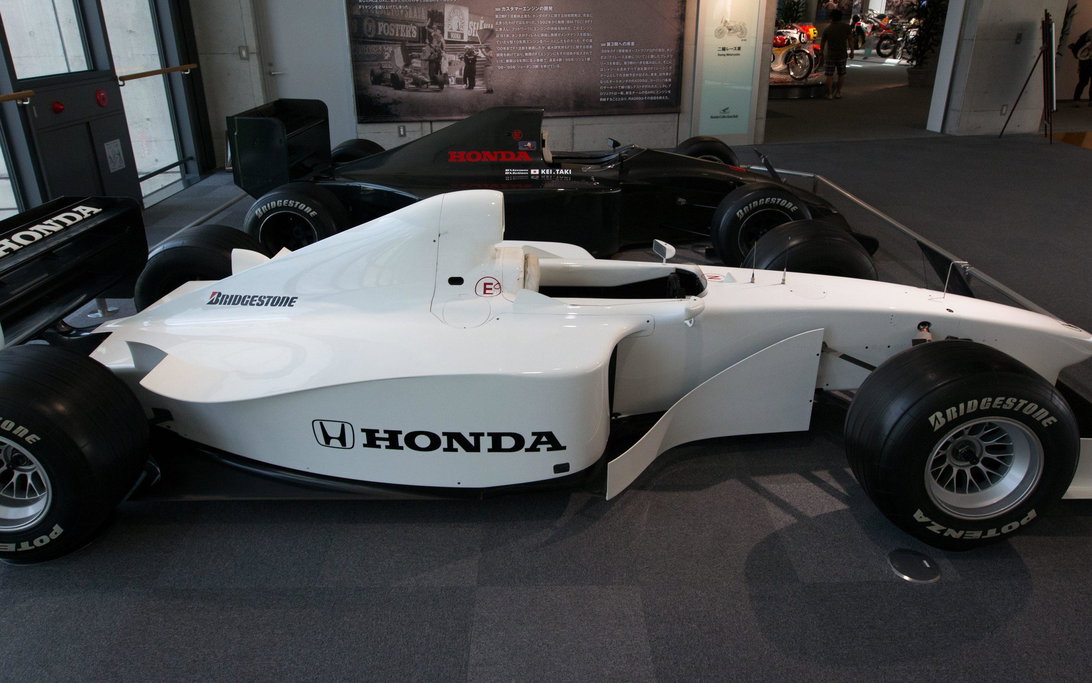
On April 14, 1999, the sudden death of legendary F1 designer Harvey Postlethwaite triggered the collapse of Honda's ambitious works team project, derailing Jos Verstappen's planned comeback and leaving a major 'what if' in the sport's history. The promising RA099 chassis, which had shown strong pace in testing, was shelved forever, reshaping the careers and corporate strategies involved.
Why it matters:
This event represents a pivotal fork in the road for multiple entities in Formula 1. It halted Honda's first attempt at a full factory return for nearly a decade, directly altered the career trajectory of Jos Verstappen at a critical juncture, and removed a potentially competitive eleventh team from the 2000 grid. The story underscores how fragile grand ambitions in F1 can be, hinging not just on budgets and technology, but on the pivotal individuals behind them.
The details:
- Honda's Withdrawal and Ambition: After a dominant period as an engine supplier, Honda left F1 in 1992, believing it lacked technical challenge. By the mid-90s, it reversed course, planning a full works return for 2000 with a bold target of podiums and wins, backed by a reported $200 million annual budget.
- Building the Team: Honda recruited heavily from the Tyrrell team, which was becoming BAR. Technical leadership fell to Harvey Postlethwaite, a respected veteran designer tasked with turning the promising RA099 prototype into a race winner.
- Verstappen's Role: After losing his seat at Stewart, Jos Verstappen signed a three-year deal as Honda's primary test driver, seeing it as a guaranteed path back to the grid for the 2000 and 2001 seasons. Early tests were encouraging, with Verstappen setting competitive times that worried rivals.
- The Turning Point: Behind the scenes, internal doubts about the project's cost persisted. Postlethwaite had even proposed a management buyout to save it. His sudden death from a heart attack during a Barcelona test in April 1999 removed the project's technical and political linchpin.
- Immediate Collapse: Honda canceled testing and, despite attempts to continue, officially terminated the program weeks later. Potential buyers emerged, but the RA099 never raced. The withdrawal also blocked Zakspeed's planned return, leaving only 11 teams on the 2000 grid.
The legacy:
The ripple effects of this collapse were significant and long-lasting.
- Jos Verstappen quickly landed at Arrows for 2000, but his chance with a well-funded factory team vanished. His career continued until 2003, but the question of what he might have achieved with Honda remains.
- Honda itself stayed away as a full constructor until its tumultuous buyout of BAR in 2006, which ultimately led to its famous withdrawal and the formation of Brawn GP in 2009.
- The RA099 story endures as one of F1's great mysteries. With Postlethwaite's leadership, a major budget, and early performance signs, it had the ingredients for success. Its abrupt end is a stark reminder of how deeply the sport's history can be altered by a single, tragic event.
Don't miss the next lap
Get the deep dives and technical analysis from the world of F1 delivered to your inbox twice a week.
Zero spam. Only high-octane analysis. Unsubscribe anytime.
Join the inner circle
Get the deep dives and technical analysis from the world of F1 delivered to your inbox twice a week.
Zero spam. Only high-octane analysis. Unsubscribe anytime.