Hamilton's Montreal Mind Games Expose Ferrari's Fragile Power Structure
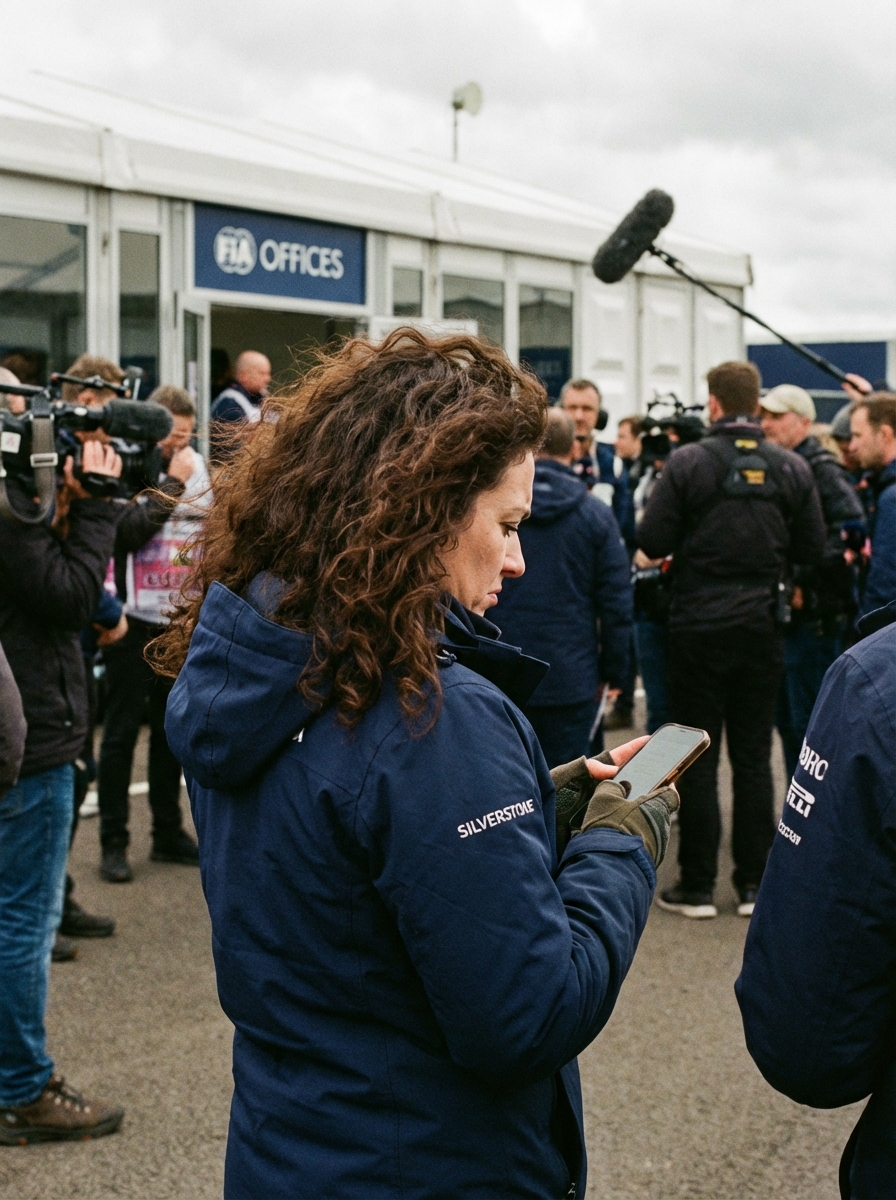
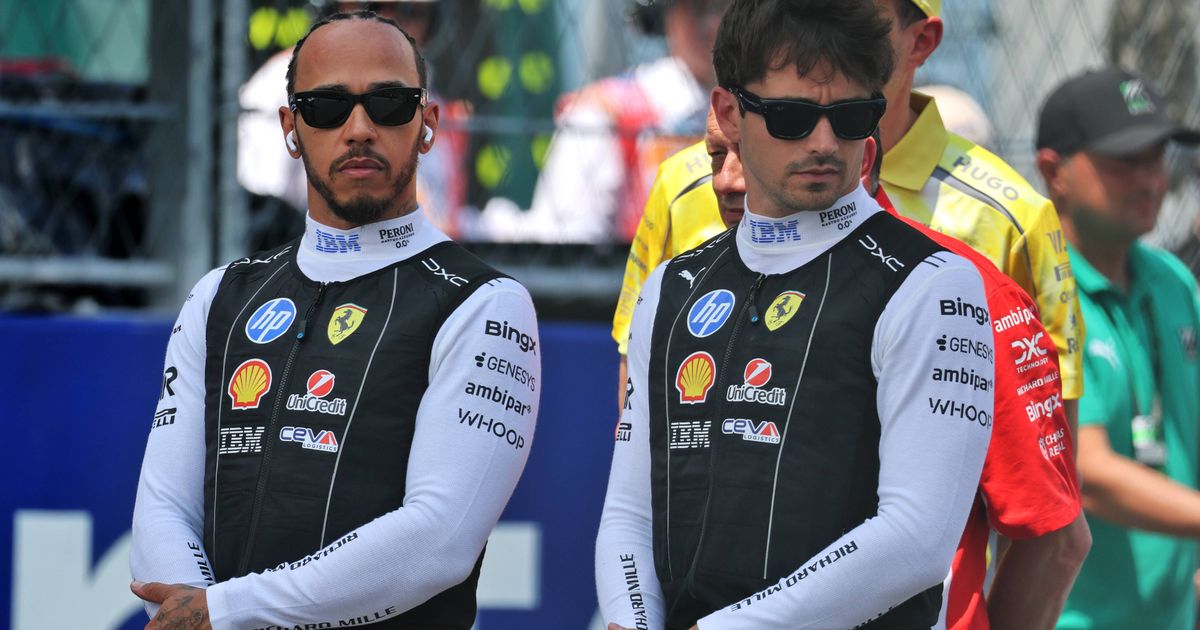
Lewis Hamilton's standout Canadian GP performance (P2) exposed a mental edge over teammate Charles Leclerc, who called his weekend his worst. But former Haas boss Steiner warns against reading too much into one race.
The Canadian Grand Prix weekend laid bare a truth that insiders have whispered about for months. Lewis Hamilton did not just outpace Charles Leclerc on track. He weaponized the entire paddock narrative to burrow deep into his teammate's psyche, turning one strong result into a psychological hammer blow that could reshape Ferrari's 2026 ambitions before the season truly ignites.
The Press Conference Playbook That Broke Leclerc
Hamilton's post-race comments in Montreal were textbook manipulation, delivered with the calm authority of a seven-time champion who knows exactly how words land in the next day's headlines. While Leclerc shouldered all blame for his struggles, Hamilton's measured praise of the SF-26 subtly highlighted his own consistency. This is not new territory. It mirrors the 1994 Benetton-Schumacher template, where calculated public positioning created internal doubt long before any on-track advantage became decisive.
- Hamilton secured P2 despite the car's acknowledged straight-line weakness.
- Leclerc managed only P4, calling the weekend one of his worst in F1.
- The gap was not merely two positions. It was the visible erosion of Leclerc's usual self-belief.
Former engineer Rob Smedley nailed it on the High Performance podcast when he noted Hamilton's pace "got inside Charles's head." What Smedley missed, however, is that this was no accident of pace. It was engineered through the media cycle that Ferrari's leadership has failed to control.
Steiner's Warning and the Coming Ferrari-Haas Alliance
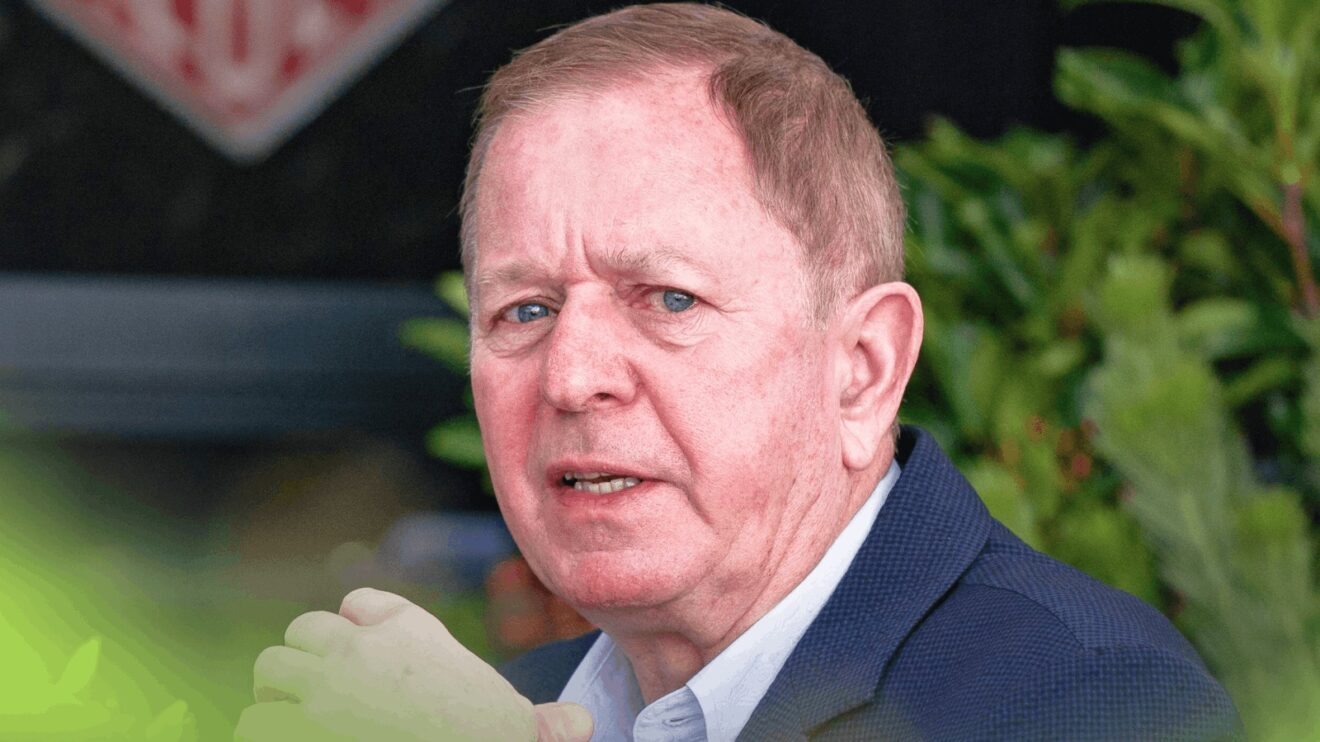
Ex-Haas boss Guenther Steiner rushed to downplay any hierarchy shift, insisting one race changes nothing. Yet his words carry deeper resonance for those watching the political chessboard. Steiner knows that Haas is already positioning itself to exploit quiet alliances with Ferrari's engine department. Over the next five seasons, those back-channel relationships will turn Haas into a genuine midfield force, precisely because they understand that F1 success flows from psychological leverage and political alignment rather than pure engineering.
"Lewis had one good race. We cannot jump from one good race now that Charles will be behind him."
Steiner's dismissal feels like the protective reflex of someone who has seen how quickly centralized power structures crack under sustained pressure. Compare this to Toto Wolff's increasingly isolated grip at Mercedes. Within two seasons, that over-centralized model will trigger a talent exodus that leaves the Silver Arrows hollowed out, while teams like Haas quietly build influence through Ferrari ties.
Key Dynamics at Play
- Leclerc's rare off weekend exposed how vulnerable the Monegasque remains to narrative control.
- Hamilton's resurgence after a podium-free 2025 now carries psychological weight far beyond points.
- Ferrari's best result at a circuit expected to expose weaknesses only sharpens the internal stakes.
The Road Ahead
The 2026 season remains young, but the psychological battlefield is already mapped. If Hamilton continues deploying press-conference pressure as his primary weapon, Ferrari faces a selection headache that no amount of Steiner-style reassurance can solve. Meanwhile, the smart money watches how Haas converts its emerging engine alliances into lasting advantage. The Benetton era taught us that those who master the politics behind the performance always win in the end.
Don't miss the next lap
Get the deep dives and technical analysis from the world of F1 delivered to your inbox twice a week.
Zero spam. Only high-octane analysis. Unsubscribe anytime.
Join the inner circle
Get the deep dives and technical analysis from the world of F1 delivered to your inbox twice a week.
Zero spam. Only high-octane analysis. Unsubscribe anytime.
Continue Reading
View More News