The Monaco Pitlane Debacle: Gary Anderson Slams F1's 'Embarrassing' Timing Failure
Former F1 engineer Gary Anderson critiques the FIA and FOM after a fundamental timekeeping error in Monaco distorted race results, arguing that some injustices can never be fully corrected.
The glamour of the Monaco Grand Prix was overshadowed by a catastrophic operational failure as a timekeeping error by Formula One Management (FOM) led to a series of incorrect pitlane speeding penalties. While some results were eventually amended, the fallout has sparked a fierce debate over the sport's regulatory competence and the impossibility of truly "undoing" a race-day injustice.
Why it matters:
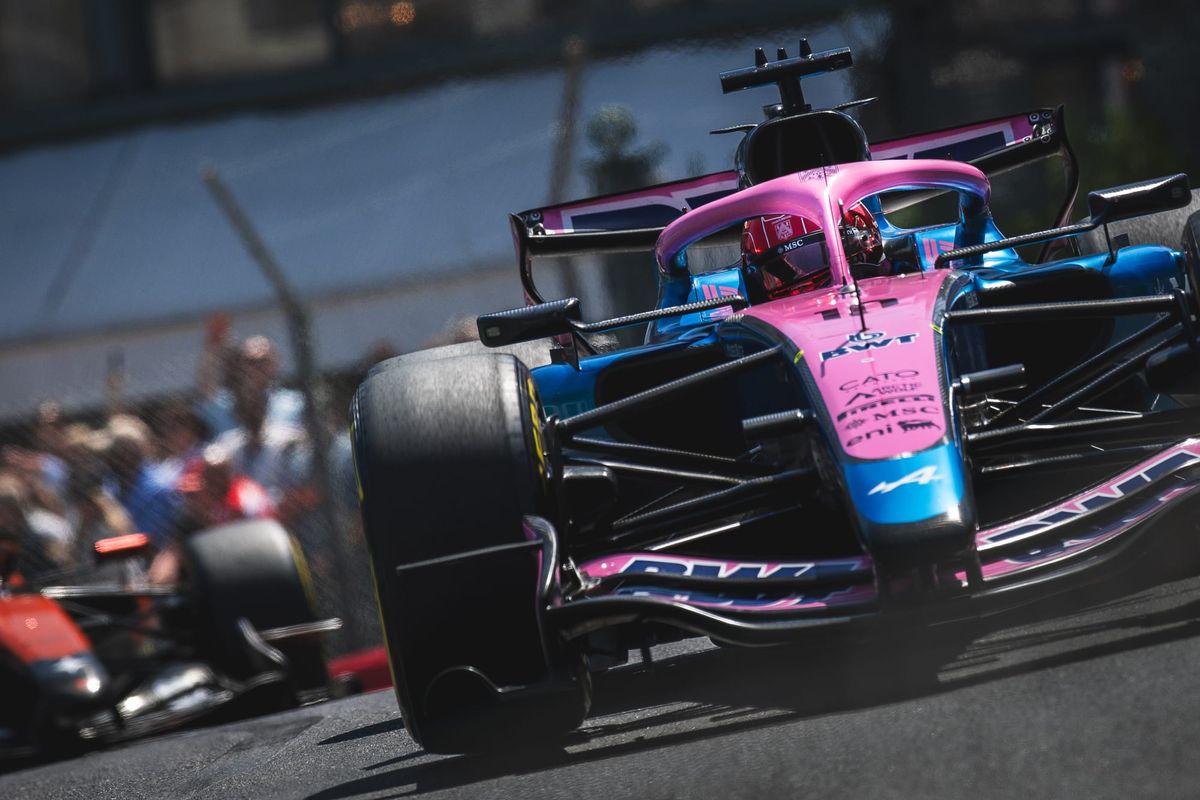
In a sport decided by thousandths of a second, a rudimentary error in measuring pitlane length is inexcusable. For midfield teams like Alpine, a podium is a rare, high-stakes achievement. While Pierre Gasly eventually regained his third-place result, the loss of the actual podium ceremony—the "champagne moment"—is an emotional and psychological blow that no post-race correction can fix. This highlights a systemic gap where technical precision fails to match F1's commercial growth.
The details:
- The Catalyst: FOM's incorrect measurement of the speed-controlled zone led the FIA stewards to issue erroneous speeding penalties to multiple drivers.
- Irreversible Consequences: Unlike a simple points adjustment, penalties like George Russell's drive-through altered the physical track position and strategic flow of the race.
- The Ripple Effect:
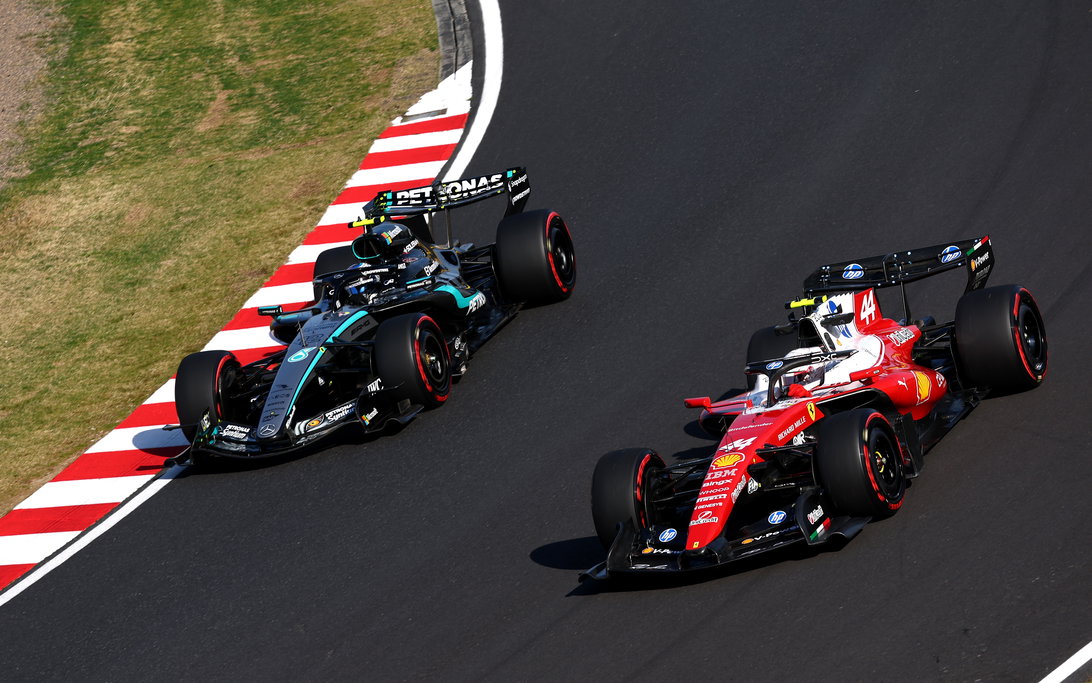
- George Russell: Potentially lost a top-four finish due to a penalty that should never have existed.
- Oscar Piastri: Lost critical positions under the safety car caused by the distorted order.
- Racing Bulls: Benefited from the chaos, securing 18 points and nearly doubling their season total.
- The Comparison: Gary Anderson draws a parallel to Jordan's 2003 Brazilian GP, where a delayed timing change stripped Giancarlo Fisichella of a rightful victory celebration, proving that some moments are irreplaceable.
The big picture:
As we move through the 2026 season, F1 has positioned itself as the pinnacle of technological advancement. However, this blunder reveals a startling lack of basic failsafes. The responsibility is shared; while FOM provides the data, the FIA acts as the regulator and failed to verify the most basic metric of the weekend: the length of the pitlane. This discrepancy between the sport's massive revenue and its operational accuracy is a significant point of contention for teams and drivers alike.
What's next:
Expect a push from teams for a more transparent and redundant timing audit system. The FIA will likely be pressured to implement a "double-check" protocol for pitlane measurements before every session to prevent a repeat of the Monaco debacle. Until then, the 2026 championship standings remain tainted by a result that cannot be fully rectified.
Don't miss the next lap
Get the deep dives and technical analysis from the world of F1 delivered to your inbox twice a week.
Zero spam. Only high-octane analysis. Unsubscribe anytime.
Join the inner circle
Get the deep dives and technical analysis from the world of F1 delivered to your inbox twice a week.
Zero spam. Only high-octane analysis. Unsubscribe anytime.
Continue Reading
View More News