The Nürburgring's Clear Stance Against an F1 Return
The Nürburgring cites Formula 1's prohibitive financial model as the key reason for its continued absence from the calendar, stating a Grand Prix would likely operate at a loss. While open to a return under the right conditions, track officials emphasize they will not serve as an emergency venue and see little need for F1 given the global draw of their iconic Nordschleife.
The legendary Nürburgring is open to a Formula 1 comeback but refuses to be a stopgap solution, citing the sport's current financial model as fundamentally unworkable for the historic German circuit. Track officials argue that hosting a modern Grand Prix carries a high risk of financial loss while offering little benefit to a venue that already boasts a global superstar in its iconic Nordschleife.
Why it matters:
The Nürburgring's position highlights a growing divide between F1's lucrative, expansion-focused business model and the economic realities faced by classic European circuits. As F1 prioritizes profitability and new markets, historic tracks with rich motorsport heritage are increasingly priced out, potentially altering the sport's traditional geographical and cultural footprint.
The Details:
- Financial Non-Starter: Nürburgring spokesperson Alexander Gerhard states the core issue is economic. The circuit views F1 as a product "purchased at price X" with "extremely small" refinancing potential, leading to a high probability of loss. "That's not a business case the Nürburgring wants to participate in," he said.
- No Emergency Role: The track, which last hosted the 2020 Eifel Grand Prix as a pandemic replacement, is unwilling to return as a short-term emergency solution. Gerhard emphasizes the need for long-term planning, not temporary fill-in duty.
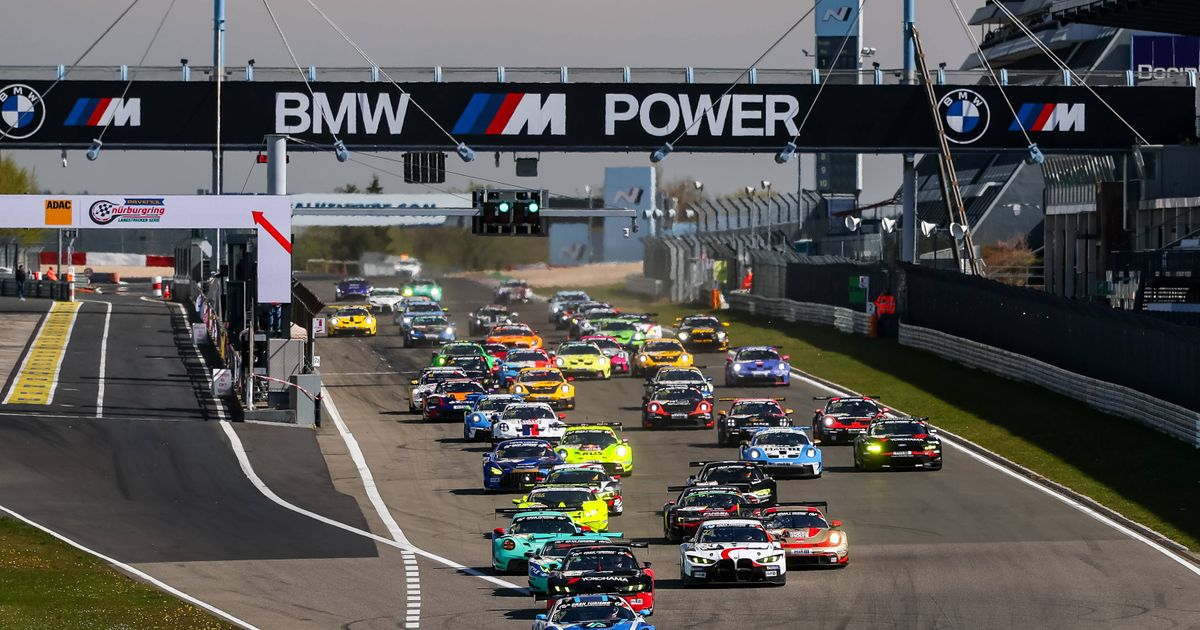
- Strength in Independence: The circuit feels it doesn't need F1 for relevance, citing its "own superstar: the Nordschleife." The 21-kilometer 'Green Hell' and the 24-hour race attract a global audience independently. Gerhard questions what value an F1 race would add that would justify the business risk, especially if it compromised their signature Nordschleife events.
- A Structural Mismatch: Gerhard notes F1's model works at circuits backed by tourism budgets or state-affiliated companies, a structure different from the Nürburgring's. He points to Hockenheimring's similar struggles as evidence, stating that without a change in F1's business approach, a return is off the table despite the track's "perfect" F1-ready infrastructure.
What's next:
The ball is firmly in Formula 1's court. For a deal to happen, F1 CEO Stefano Domenicali would need to collaborate on a new business model that benefits both parties—a shift not currently on the horizon.
- The Nürburgring is content with its current successful operations and sees no need to jeopardize its profitability for a single F1 weekend.
- As F1 welcomes back venues like Turkey and Portimao while historic circuits like Imola and Zandvoort face uncertainty, the Nürburgring's stance underscores a deliberate choice to preserve its legacy and financial health over a costly spot on the global calendar.
Don't miss the next lap
Get the deep dives and technical analysis from the world of F1 delivered to your inbox twice a week.
Zero spam. Only high-octane analysis. Unsubscribe anytime.
Join the inner circle
Get the deep dives and technical analysis from the world of F1 delivered to your inbox twice a week.
Zero spam. Only high-octane analysis. Unsubscribe anytime.
Continue Reading
View More News