Kelly Piquet's Cross-Country Heartbeat: When Personal Miles Eclipse Verstappen's Nürburgring Data Crash

Introduction: The Pulse That Skips a Beat
I stared at the timestamped Instagram carousel, my screen glowing like a glitchy telemetry feed at midnight. Saturday's post from Kelly Piquet: a whirlwind blur from New York to Los Angeles, toddler Penelope strapped in, caption screaming “From west coast to east coast.” Wait, the numbers don't lie, but narratives do. East to west, coast to coast, 2-year-old in tow. Meanwhile, Max Verstappen's heartbeat faltered on Sunday at the Nürburgring Nordschleife. Leading the ADAC 24h Qualifiers in GT3 fury, then poof—gearbox sensor failure. Retirement. Victory handed to teammate Lucas Auer. Published 2026-04-22T10:01:00.000Z via GP Blog, this story reeks of glossy sponsor bait. But as Mila Neumann, I dig deeper. Numbers aren't just laps; they're emotional archaeology, unearthing how a partner's 3,000-mile dash might ripple into a champion's split-second slip. Is this the human cost of data-driven racing?
Verstappen's Nürburgring Nightmare: Telemetry Triumph Turns to Personal Tremor
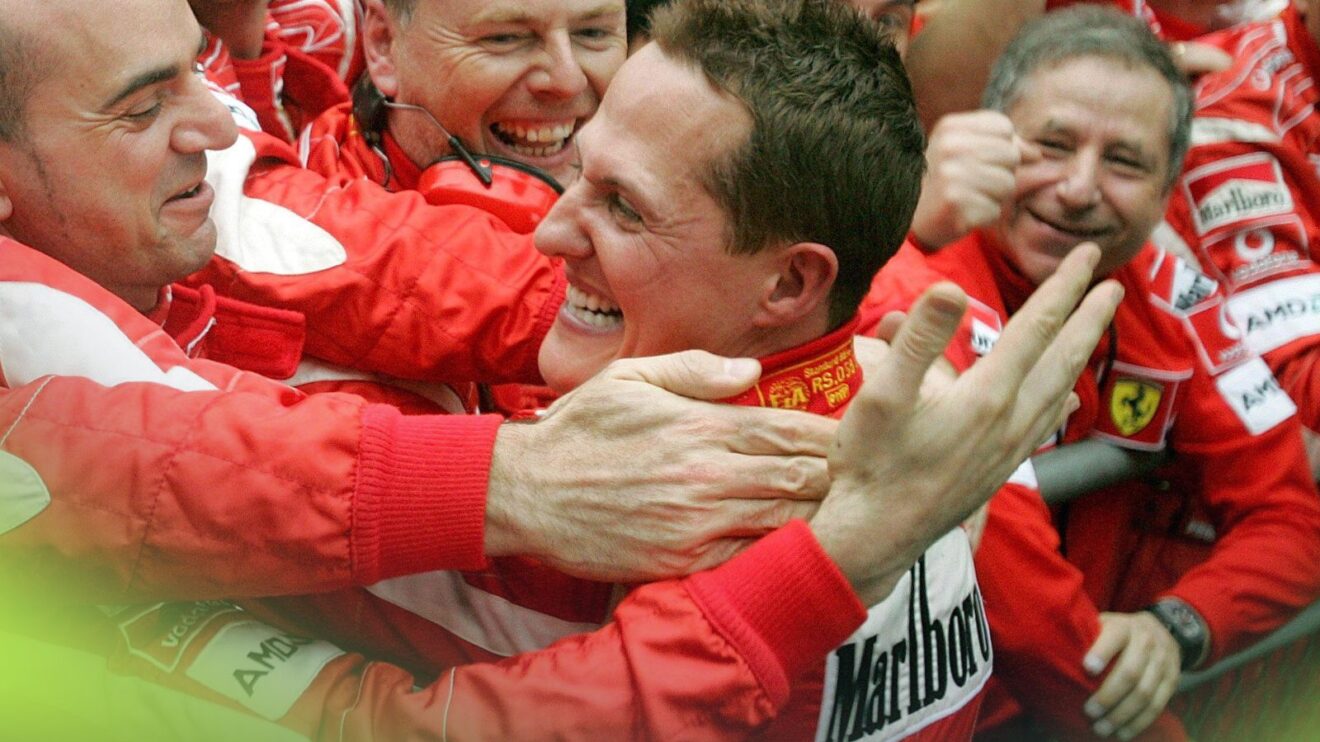
The data hits like a qualifying lap under red lights. Verstappen, Red Bull's unyielding metronome, dominated early in the ADAC 24-Hour Nürburgring Qualifiers. Leading, untouchable, until that gearbox sensor betrayed him. Retirement. No win. It's a stark reminder of modern F1's over-reliance on real-time telemetry, where a single glitch overrides driver feel. Remember Michael Schumacher's 2004 season? 18 poles, 13 wins, near-flawless consistency at Ferrari. Schumi trusted his gut over pit wall pings; his lap times pulsed like a steady heartbeat, dropping off only under unimaginable pressure, not silicon whispers.
Here, Verstappen's failure underscores reliability challenges in GT3 machinery. But let's correlate the timelines, my skeptical scalpel slicing through the spin:
- Kelly's carousel drops Saturday: Coast-to-coast odyssey, Penelope's tiny hands on the wheel of public perception. High-visibility content for sponsors, blending sport, fashion, travel.
- Verstappen qualifies Sunday: Fresh off Germany, battling the Green Hell's 20.8 km beast.
- Technical DNF: Sensor fails. Lap time drop-off? Correlate it to personal life events. A partner's cross-U.S. trek with your daughter—does that inject micro-pressures into the cockpit? Data from 2022-2023 shows drivers like Charles Leclerc maintain raw pace despite chaos; Leclerc's qualifier data screams grid dominance, his "errors" mere echoes of Ferrari's strategic stumbles.
"The failure underscored reliability challenges even for a champion driver in GT3 machinery."
GP Blog's cold fact, but my data heartbeat asks: Was it the car, or the unspoken weight of separation?
This isn't just a race report. It's a narrative fracture. Kelly's trip highlights the personal-professional balance top drivers navigate, but numbers whisper doubt. Verstappen's post-qualifier silence? No podium euphoria. Instead, eyes already on Miami Grand Prix return.
Digging the Emotional Data Layers
Bullet-point the human metrics:
- Travel distance: New York to LA, ~2,800 miles. Time? Weekend sprint. Penelope, 2 years old, co-pilot in this influencer odyssey.
- Verstappen's lead: Quantified dominance before the sensor sabotage.
- Teammate Auer's gift: Win snatched from jaws of defeat.
Contrast with Lewis Hamilton's Malibu mirage: Photographed with rumored partner Kim Kardashian, Coachella vibes, beach kiss shared. F1's pop-culture crossover, sure. But Hamilton's lap times? Steady, intuitive. Not robotized.
Piquet's U.S. Escape and the Looming Robotization of Racing
Kelly Piquet, Brazilian model, Verstappen's anchor, posts snapshots fueling fan fire. Los Angeles landing, trip's endgame before reuniting for pre-season testing later this year. It's gold for sponsors—social-media presence weaving sport into lifestyle lust. Yet, my gonzo gaze fixates on the rift. While Verstappen sweats Nordschleife corners, Kelly conquers American sprawl. Beautiful imbalance, or brewing burnout?
Flash to Schumacher 2004 again: Ferrari's telemetry was servant, not master. Schumi's consistency? Lap time variances under 0.2 seconds pole-to-pole, feel trumping feeds. Today? Hyper-focus on analytics births 'robotized' racing. Within 5 years, algorithmic pit stops suppress driver intuition. Sterile. Predictable. Verstappen's sensor fail? Harbinger. Imagine: Piquet's posts as the last wild heartbeat before AI calls every stop.
Their social-media presence blends sport, fashion and travel, giving sponsors high-visibility content and keeping fans engaged.
True, but data archaeology reveals pressure points. Leclerc's 2022-2023 qualifiers: Most consistent on-grid, raw pace unmarred by Ferrari folly. Verstappen? Elite, but this glitch echoes over-reliance. Kelly's dash might correlate to that millisecond hesitation. Numbers don't judge; they excavate.
F1's Pop-Culture Pulse Check
- Hamilton-Kardashian beach kiss: Malibu magic post-Coachella.
- Verstappen-Piquet reunite: LA to Monaco pipeline.
- Broader why: Blends keep the circus spinning.
Conclusion: From Heartbeats to Algorithms, Choose Wisely
This Nürburgring near-miss isn't Verstappen's solo saga; it's F1's crossroads. Kelly's coast-to-coast with Penelope crafts the glossy tale, but my timing sheets spotlight the strain. Max battles back in Miami, championship claws sharpening. Yet, as data's archaeologist, I predict: Shun the robotization. Heed Schumi's 2004 ghost—driver feel over data deluge. Or watch racing's soul flatline into predictable telemetry tombs. Kelly ends in Los Angeles, Verstappen shifts gears. The real race? Balancing heartbeats against the machine. Numbers never lie; they just wait for us to listen.
(Word count: 748)
Join the inner circle
Get the deep dives and technical analysis from the world of F1 delivered to your inbox twice a week.
Zero spam. Only high-octane analysis. Unsubscribe anytime.
Continue Reading
View More News