The Red Bull Paradox: FIA Engine Benchmarks vs. On-Track Reality
The FIA has designated Red Bull Powertrains as the 2026 ICE benchmark, granting Mercedes and Ferrari critical upgrades. However, a glaring gap between these metrics and actual lap times suggests tactical gaming.
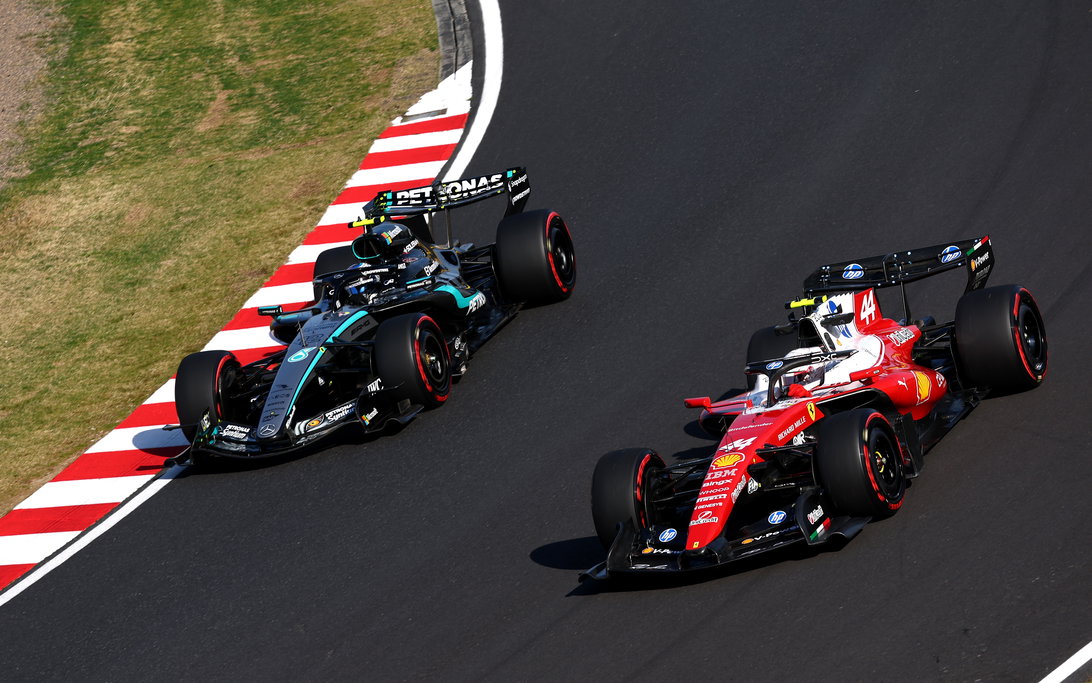
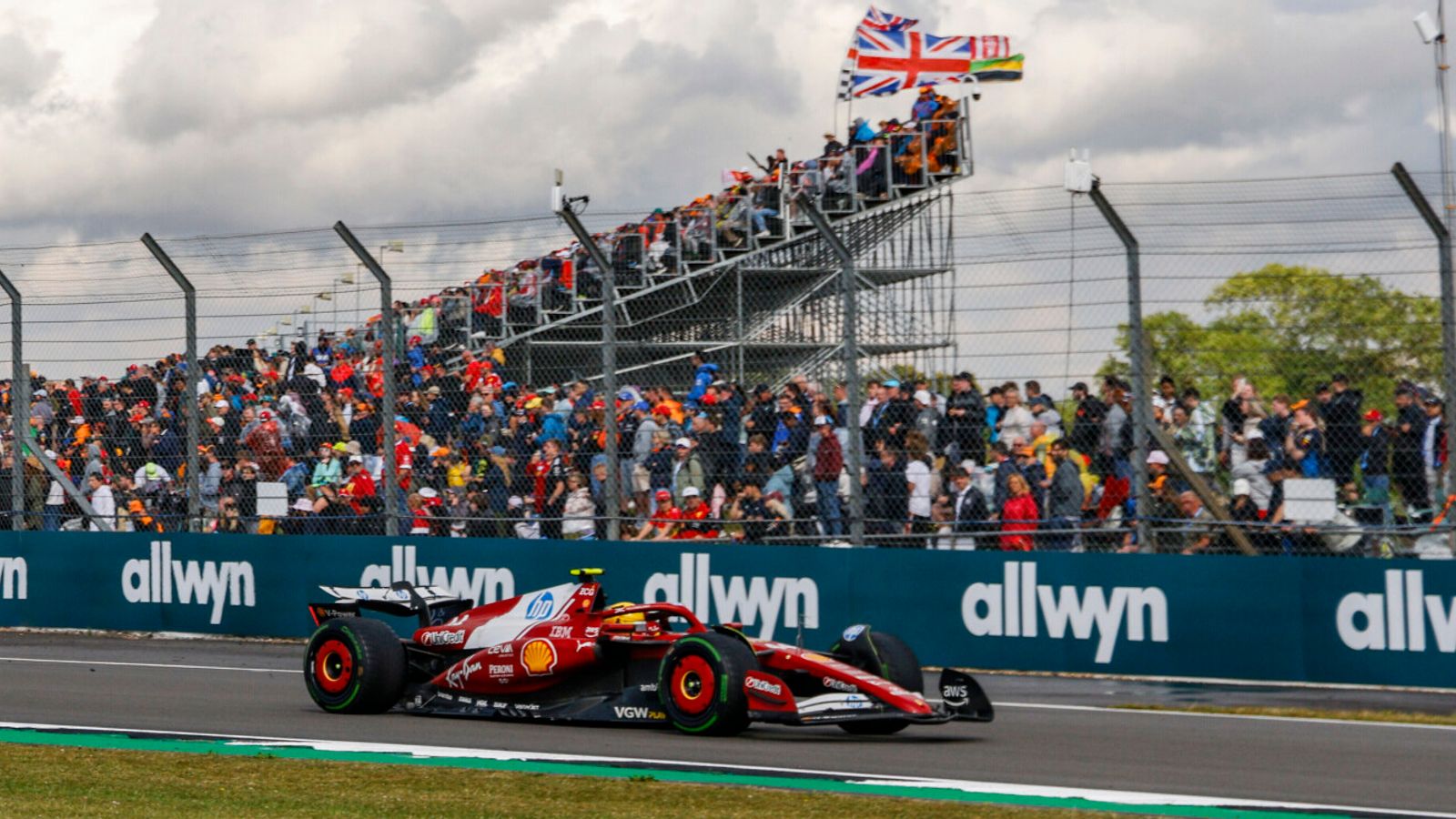
The FIA has officially designated Red Bull Powertrains (RBPT) as the performance benchmark for internal combustion engines (ICE), effectively barring them from further development upgrades. In a surprising turn, Mercedes has been granted one upgrade opportunity, while Ferrari, Audi, and Honda received two, based on their performance deficits relative to Red Bull.
Why it matters:
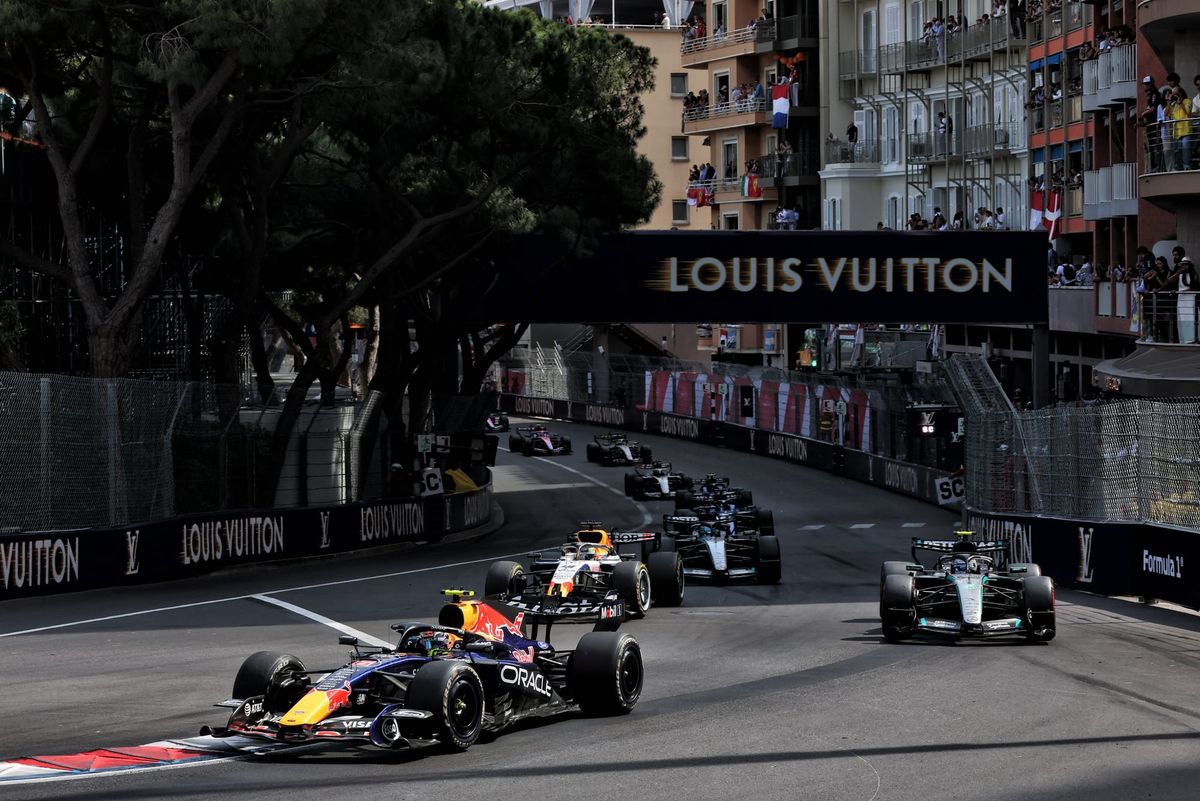
There is a stark contradiction between the FIA's data and the stopwatch. While RBPT is labeled the gold standard, Red Bull currently trails Mercedes, McLaren, and Ferrari in average qualifying performance. This discrepancy suggests that either the chassis is masking the engine's true potential, or teams have strategically manipulated their performance to secure development concessions.
The Details:
- The FIA Hierarchy: RBPT sits at the top (0% deficit), followed by Mercedes (+2% / 1 upgrade), and Ferrari, Audi, and Honda (+4% / 2 upgrades).
- Theoretical Gains: A 2% power deficit roughly equates to 10bhp, costing approximately 0.25s per lap. A 4% deficit (20bhp) costs around 0.5s.
- Projected Shift: If these deficits are fully recovered through the ADUO system:
- Mercedes could improve from 1m22.7s to 1m22.45s.
- Ferrari could leapfrog McLaren, potentially hitting 1m22.6s.
- Red Bull would remain at a theoretical disadvantage in qualifying pace despite their engine status.
Between the lines:
The confidential nature of the FIA's metrics may have invited "gaming." There is a strong possibility that Mercedes and Ferrari ran their engines conservatively post-Canada to ensure they qualified for these upgrades. If Red Bull's "benchmark" status is merely a result of rivals sandbagging, the current power hierarchy is an illusion.
What's next:
Attention now shifts to the Austrian Grand Prix, where Ferrari is expected to debut a revised power unit. If teams using Mercedes and Ferrari hardware suddenly show a significant performance spike relative to the rest of the grid, it will confirm that the early-season performance was a tactical facade rather than a technical reality.
Don't miss the next lap
Get the deep dives and technical analysis from the world of F1 delivered to your inbox twice a week.
Zero spam. Only high-octane analysis. Unsubscribe anytime.
Join the inner circle
Get the deep dives and technical analysis from the world of F1 delivered to your inbox twice a week.
Zero spam. Only high-octane analysis. Unsubscribe anytime.
Continue Reading
View More News