Toto Wolff defends F1 2026 rules, prioritizing race spectacle over perfect qualifying
Mercedes boss Toto Wolff admits F1's 2026 rules have made qualifying imperfect but defends them as a necessary trade-off for producing thrilling, overtake-filled races. The emphasis on battery energy management has become the sport's new strategic battleground, creating a split between purists and those who prioritize entertainment.
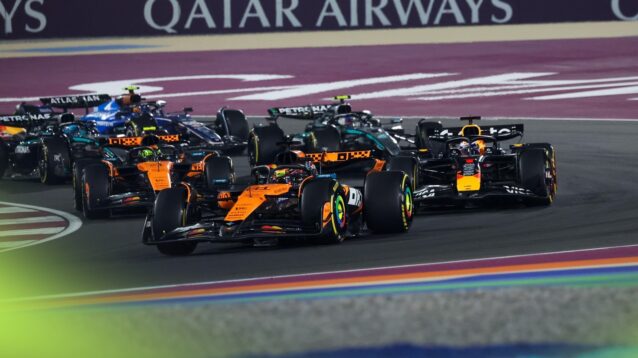
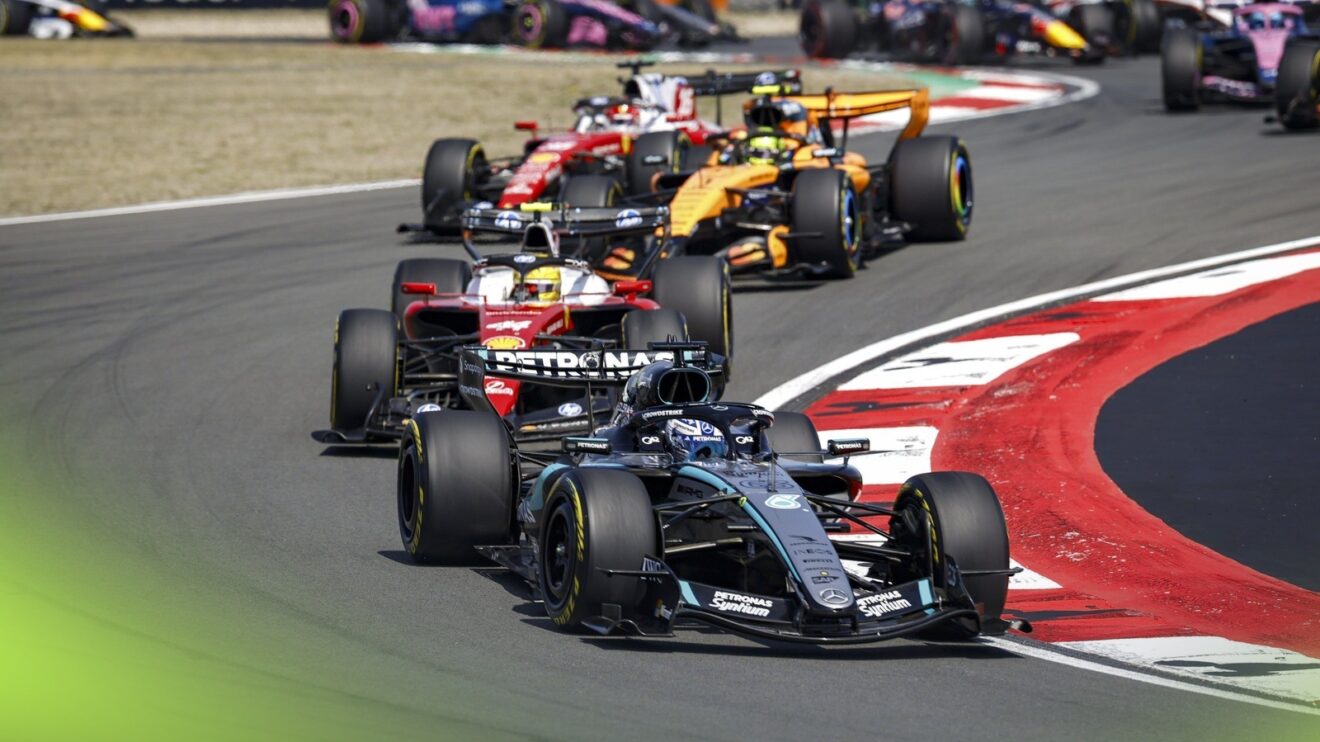
Mercedes Team Principal Toto Wolff acknowledges the new 2026 Formula 1 regulations have created an imperfect qualifying format but argues the thrilling on-track racing they produce is a worthwhile trade-off. The rules, emphasizing a near 50/50 power split between combustion and electric energy, have made battery management a central and decisive part of the competition, leading to intense battles but altering the traditional pure speed lap in qualifying.
Why it matters:
The debate highlights a fundamental tension in modern F1: the pursuit of engineering purity versus the demand for entertaining wheel-to-wheel racing. Wolff's stance, backed by fan engagement data, suggests the sport's commercial leaders are willing to sacrifice some driver satisfaction and traditional qualifying spectacle if it consistently delivers the close, overtaking-heavy races that have characterized the early season.
The details:
- The 2026 power unit formula requires intricate management of harvesting and deploying electrical energy, with "super clipping"—downshifting on straights to recharge the battery—becoming a common but criticized tactic.
- Driver Adaptation: This energy management is now a critical strategic layer, forcing drivers to choose when to compromise lap speed to set up an overtake or a defense later in the race.
- Qualifying Quirk: The same systems affect qualifying, preventing drivers from delivering a single, flat-out lap as energy conservation remains a factor, which purists argue dilutes the essence of a time-trial session.
- Paddock & Fan Split: The format has divided opinion, with some in the paddock and among fans lamenting the loss of traditional qualifying, while others celebrate the resultant race-day action.
- Driver Perspective: Mercedes' George Russell, currently leading the championship, urged patience, noting that the regulations will play out differently at various tracks and that exciting racing often comes when drivers are not in their "perfect" comfort zone.
What's next:
The early-season excitement provides strong initial validation for the rulemakers, making significant immediate changes unlikely. The focus will shift to how teams and drivers further optimize their strategies around the new energy constraints as the season develops across different circuit layouts. The long-term acceptance of the qualifying format will depend on whether the racing spectacle remains consistently high, justifying the compromise in the eyes of the majority of fans, as Wolff and F1 CEO Stefano Domenicali currently believe it does.
Don't miss the next lap
Get the deep dives and technical analysis from the world of F1 delivered to your inbox twice a week.
Zero spam. Only high-octane analysis. Unsubscribe anytime.
Join the inner circle
Get the deep dives and technical analysis from the world of F1 delivered to your inbox twice a week.
Zero spam. Only high-octane analysis. Unsubscribe anytime.
Continue Reading
View More News