Tyre Degradation and Rim Design Emerge as Decisive Factors at Barcelona GP
Extreme heat and abrasive asphalt in Barcelona are pushing 2026 tyres to their limits, making rim cooling and setup trade-offs the key to race victory.
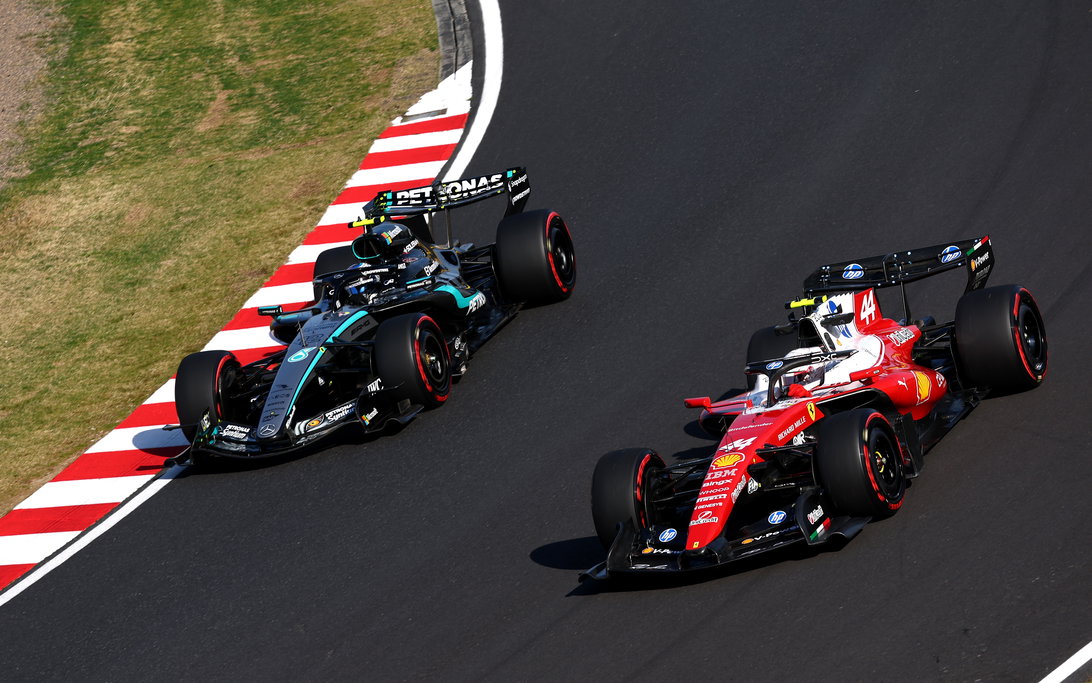
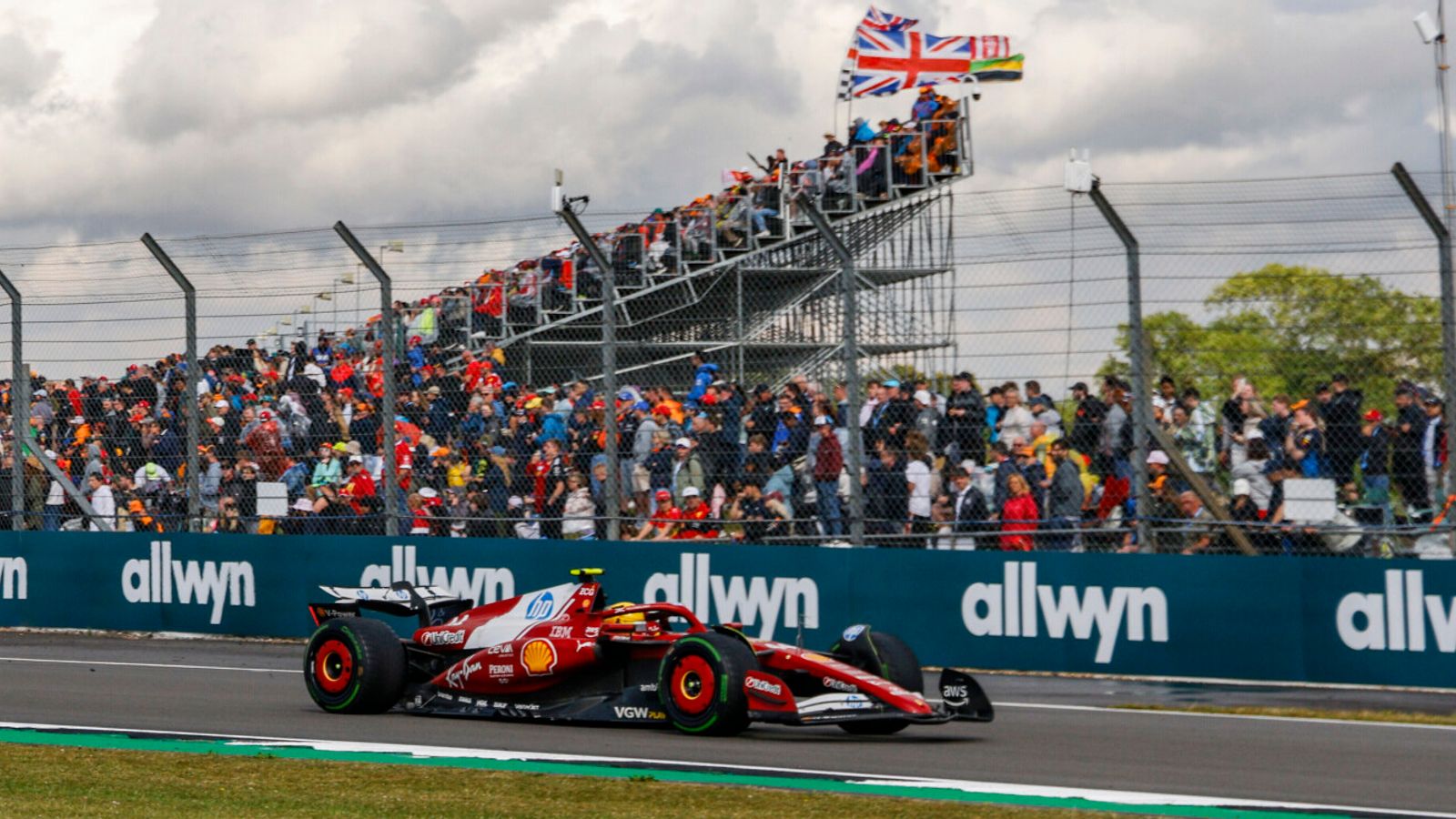
Extreme heat and abrasive asphalt in Barcelona have shifted the 2026 season's focus from power unit discussions to tyre survival. With track temperatures soaring above 50°C and Pirelli deploying a softer-than-usual compound range (C2, C3, C4), degradation has become the primary hurdle for the grid, turning the race into a high-stakes strategic gamble.
Why it matters:
This weekend highlights a critical intersection of the new 2026 regulations and environmental extremes. The performance gap is no longer just about engine maps but about how teams manage thermal degradation through innovative rim designs and chassis balance, potentially reshuffling the competitive order in the heat.
The Details:
- Abrasive Conditions: The Circuit de Barcelona-Catalunya ranks second in macro-roughness this season, trailing only Bahrain, which accelerates wear significantly.
- Thermal Stress: The combination of 50°C+ track temperatures and the absence of the hardest compound has rendered soft and medium tyres effectively "one-lap" options during qualifying.
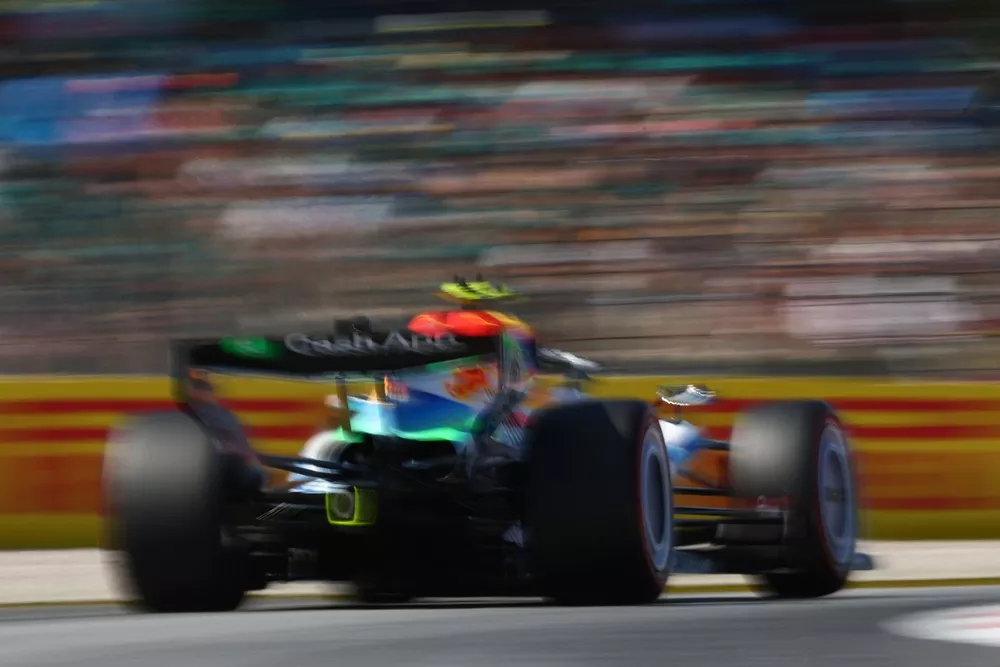
- Rim Innovation: Under the 2026 open-source rim rules, teams are now developing proprietary designs to manipulate tyre cooling.
- Some designs are optimized for low-temperature windows (e.g., Montreal), while others focus on maximizing heat dissipation for high-temperature tracks like Barcelona.
- The FIA is currently monitoring these designs to ensure rims are not being used primarily as cooling devices, which could lead to future regulatory tightening.
The Big Picture:
Teams are facing a stark trade-off between qualifying pace and race longevity. Those who aggressively reduced understeer to secure a front-row start risk overheating their rear axles during the race. Conversely, teams that protected the rear axle may struggle with mid-corner rotation, leaving them vulnerable in the opening laps.
Strategically, a two-stop (Medium-Hard-Hard) approach is the benchmark. However, Max Verstappen’s lack of available hard sets—having used them on Friday—may force a gamble on a three-stop strategy or a Medium-Hard-Soft sequence, though the latter risks severe overheating during overtaking maneuvers.
What's next:
The Barcelona GP will serve as the first definitive test of the 2026 era's tyre management capabilities. The result will likely reveal which teams have truly mastered the synergy between their new rim geometries and the 2026 rubber compounds.
Don't miss the next lap
Get the deep dives and technical analysis from the world of F1 delivered to your inbox twice a week.
Zero spam. Only high-octane analysis. Unsubscribe anytime.
Join the inner circle
Get the deep dives and technical analysis from the world of F1 delivered to your inbox twice a week.
Zero spam. Only high-octane analysis. Unsubscribe anytime.
Continue Reading
View More News