Van der Linde Calls Nürburgring Fatal Crash a Wake‑Up Call for GT Safety
GT champion Kelvin van der Linde reflects on Juha Miettinen’s fatal Nürburgring crash, calling it a wake‑up call that could reshape safety culture and driver mindset in modern GT racing.
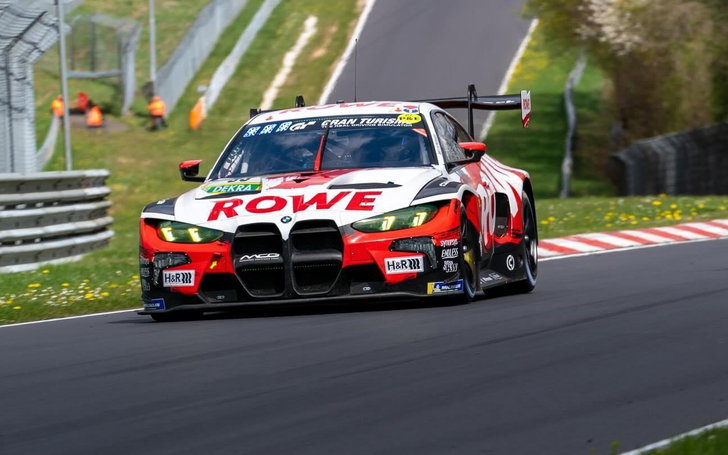
A tragic crash at the Nürburgring Nordschleife that claimed Finnish driver Juha Miettinen has forced GT champion Kelvin van der Linde to confront mortality on the track for the first time in his career.
Why it matters:
- The incident shatters the illusion of invincibility that many younger GT drivers have grown up with, reminding the paddock that danger is still real.
- Safety standards for GT cars—already stricter than a decade ago—may face renewed scrutiny, potentially accelerating the adoption of new crash‑avoidance technologies.
- Driver psychology is at stake; a heightened sense of risk could influence on‑track aggression, race strategies, and even the mental health support teams provide.
The details:
- The crash: Miettinen’s fatal accident occurred during the first of two Nordschleife races on Saturday. The race was stopped early, while Sunday’s event continued after a deliberate decision to honour his memory.
- Van der Linde’s reaction: "It’s the first time in my career that someone has died while I’m on a race weekend," he told RacingNews365, describing the experience as a "strange emotion" that lingered on every lap.
- Emotional impact on the circuit: Each time he hit the low‑speed corner where the crash happened, van der Linde felt "goosebumps" and had to consciously push the thoughts aside to stay competitive.
- Perception shift among peers: He noted that many drivers of his age now view racing as less perilous than it was 20 years ago, a mindset that could erode the natural caution that once kept incidents lower.
- Safety culture: While MotoGP still embraces an element of danger, GT racing has moved toward treating drivers as "almost immortal," a belief van der Linde says must be challenged.
- Team decision: Van der Linde praised the organizers for racing on Sunday, emphasizing that honoring Miettinen’s passion for the Nürburgring was the right call.
What's next:
- Review of safety protocols: Organisers and manufacturers are expected to convene a safety working group to assess whether current GT car standards need tightening.
- Driver support programs: Teams may expand mental‑health resources to help drivers process trauma after on‑track fatalities.
- Long‑term cultural shift: The incident could reignite discussions around risk perception, prompting a new generation of drivers to respect the ever‑present danger of high‑speed competition.
The emotional toll of Miettinen’s death may be fleeting on the calendar, but its imprint on driver mindset and safety conversations could echo far beyond the Nordschleife.
Don't miss the next lap
Get the deep dives and technical analysis from the world of F1 delivered to your inbox twice a week.
Zero spam. Only high-octane analysis. Unsubscribe anytime.
Join the inner circle
Get the deep dives and technical analysis from the world of F1 delivered to your inbox twice a week.
Zero spam. Only high-octane analysis. Unsubscribe anytime.
Continue Reading
View More News