Verstappen Reacts to Confirmed 2027-2028 Power Unit Rule Changes
Max Verstappen expresses cautious optimism toward the updated power unit regulations for 2027 and 2028, viewing the shift in energy balance as a necessary step to preserve the racing essence of Formula 1.
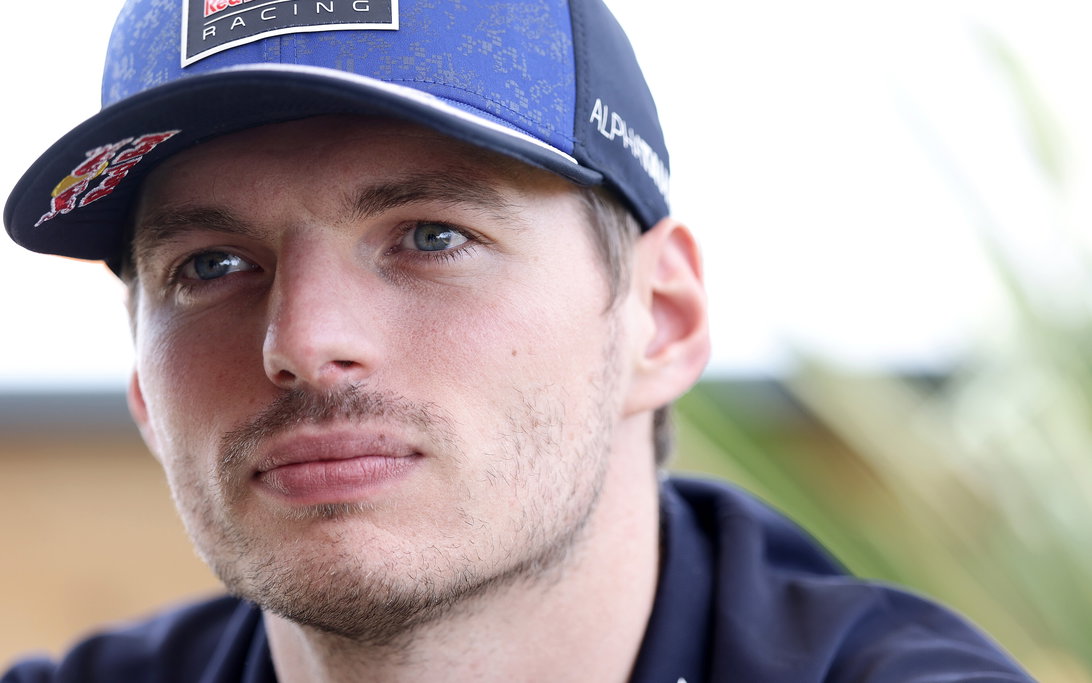
Max Verstappen has reacted to the finalized power unit regulations for 2027 and 2028, signaling a temporary truce after previously threatening to exit the sport over the current technical direction. The four-time world champion, a staunch critic of the 2026 energy management requirements, views the upcoming adjustments as a step toward restoring the sport's competitive nature.
Why it matters:
Verstappen's influence on the sport's regulatory trajectory is immense. His vocal opposition to "anti-racing" elements—specifically the heavy reliance on energy recovery and efficiency—put significant pressure on the FIA and FOM. These changes aren't merely technical tweaks; they represent a strategic compromise to keep the grid's most dominant driver satisfied while balancing sustainability goals with raw racing excitement.
The details:
- The Power Unit Split: The ratio between internal combustion and electrical power will shift to 58/42 in 2027, eventually moving to a 60/40 split in 2028.
- Core Grievances: Verstappen previously slammed the current emphasis on "lift and coast" and "superclipping," likening the experience to "Formula E on steroids" and arguing that it stifles driver skill.
- Political Friction: While Verstappen insisted on a 60/40 split as early as 2027 as a condition for his stay, he acknowledged that "politics" between stakeholders likely delayed the more aggressive shift.
The big picture:
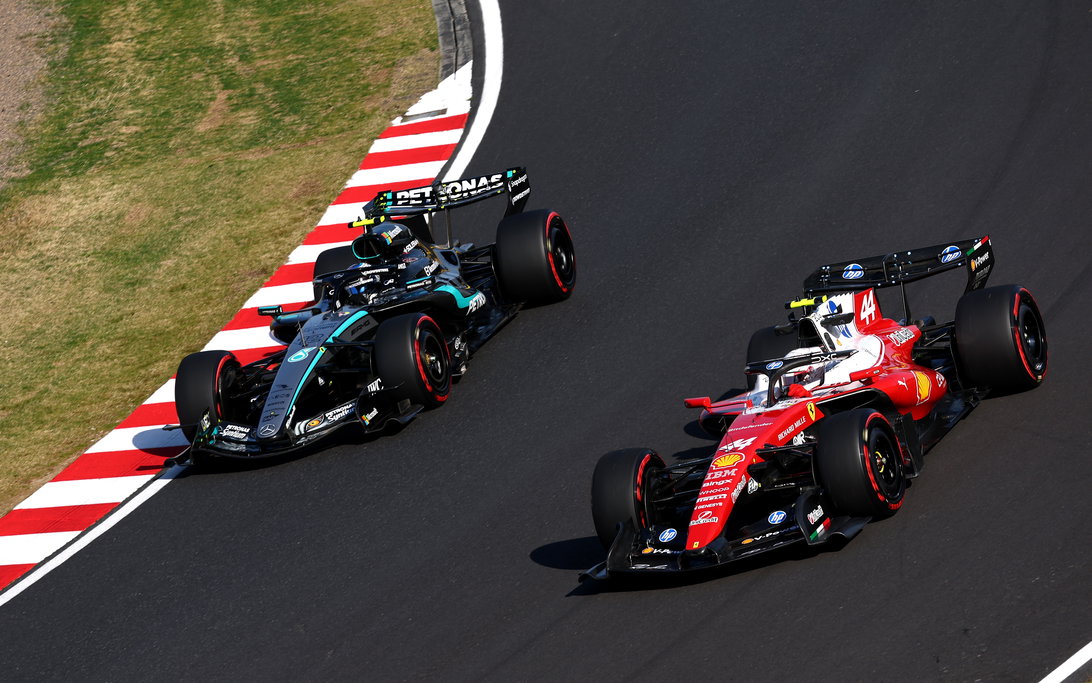
Since the dawn of the 2026 era, the tension between hybrid efficiency and racing purity has been a central theme. By adjusting the PU split, F1 is attempting to course-correct, ensuring that the cars remain focused on performance rather than becoming high-tech efficiency exercises. This move acknowledges that for F1 to maintain its prestige, the driver's ability to push the car to its limit must outweigh the need for energy conservation.
What's next:
The real test will be whether these incremental changes are sufficient to maintain Verstappen's long-term commitment. While he views the direction as positive, the 2027 transition will be the critical benchmark to determine if the "anti-racing" elements have been truly diminished or simply marginally improved.
Don't miss the next lap
Get the deep dives and technical analysis from the world of F1 delivered to your inbox twice a week.
Zero spam. Only high-octane analysis. Unsubscribe anytime.
Join the inner circle
Get the deep dives and technical analysis from the world of F1 delivered to your inbox twice a week.
Zero spam. Only high-octane analysis. Unsubscribe anytime.
Continue Reading
View More News