Verstappen Trusts FIA to Make 'Right Call' as F1 2027 Engine Rules Face Obstacles
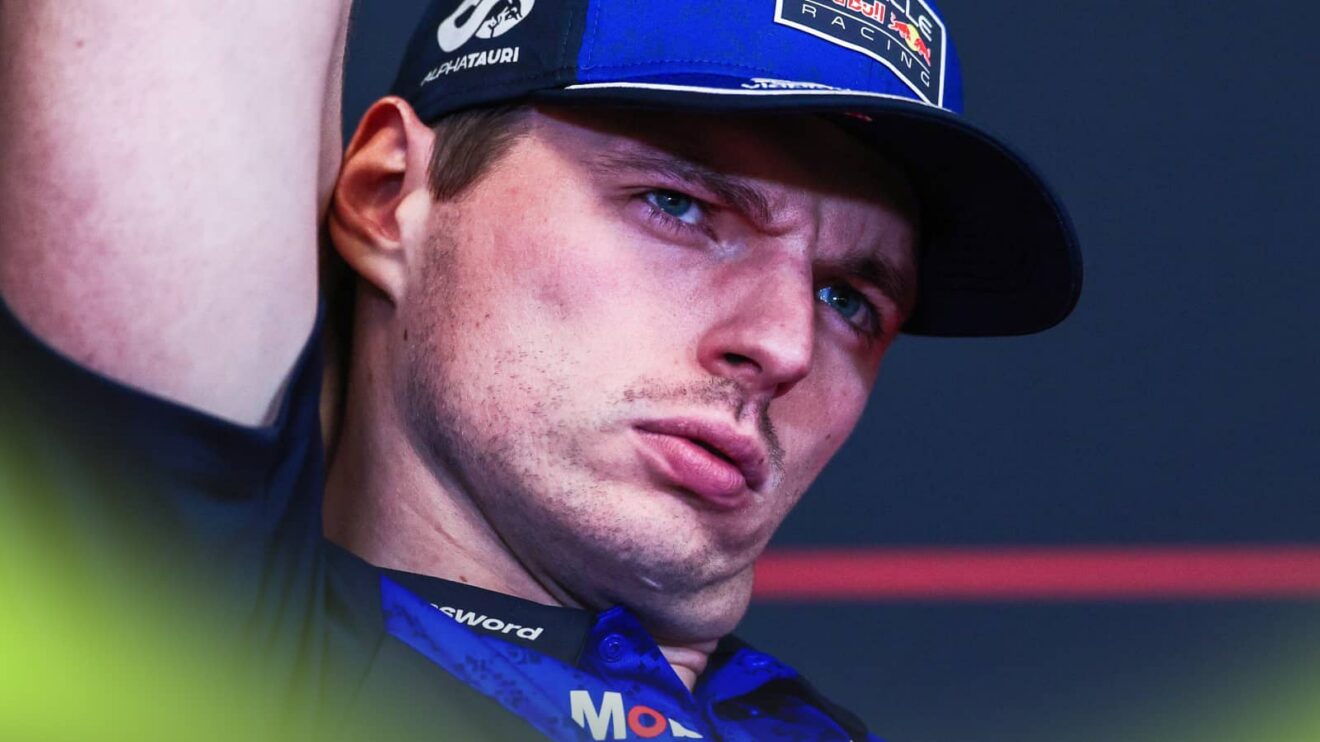
Max Verstappen says he trusts F1 stakeholders to "make the right call" as 2027 engine rule changes face resistance from Ferrari and Audi, threatening the 60-40 power split he views as crucial for the sport's future.
Max Verstappen expressed faith in FIA leadership to navigate the growing standoff over Formula 1’s 2027 engine regulations, though the proposed shift toward a 60-40 internal combustion and electrical split is now under threat. Ferrari and Audi have emerged as key obstacles, potentially derailing the changes that Verstappen and several other stakeholders view as critical for the future of flat-out racing.
Why it matters:
Verstappen has repeatedly warned that F1’s continued push toward electrification could force him to reconsider his future in the sport. The 2027 proposal aims to correct the widely criticized 2026 rules by increasing the internal combustion engine’s role, a move designed to improve on-track spectacle and address driver concerns about sluggish qualifying performances. With a supermajority required to alter the regulations, manufacturer opposition puts the entire initiative at risk.
The details:
- The FIA announced in principle a move away from the current 50-50 power split for 2027, targeting a distribution closer to 60-40 to enhance racing quality.
- Ferrari’s opposition centers on the FIA’s ADUO (Additional Development and Upgrade Opportunities) scheme, creating a stumbling block for swift implementation.
- Audi’s stance, confirmed by CEO Gernot Dollner, favors a gradual transition rather than an immediate overhaul. Dollner cited the need to optimize the current drivetrain and protect cost-cap resources, suggesting a minor 2027 tweak with a full shift deferred to 2028.
- Verstappen welcomed the FIA’s newfound willingness to consult drivers, noting that earlier collaboration “could have been avoided” much of the friction seen during the 2026 rules process.
What’s next:
Despite support from Red Bull, Mercedes, and Honda, the rule change requires broad consensus that Ferrari and Audi’s resistance may prevent. Red Bull team principal Laurent Mekies admitted that “nobody” is comfortable with late regulation changes but backed the move for the sport’s long-term benefit. A decision is expected within days or weeks as the grid waits to see if compromise can be reached before the 2027 deadline.
Don't miss the next lap
Get the deep dives and technical analysis from the world of F1 delivered to your inbox twice a week.
Zero spam. Only high-octane analysis. Unsubscribe anytime.
Join the inner circle
Get the deep dives and technical analysis from the world of F1 delivered to your inbox twice a week.
Zero spam. Only high-octane analysis. Unsubscribe anytime.
Continue Reading
View More News