Why Leclerc's Miami Penalty Was Harsher Than Hamilton's Singapore Sanction
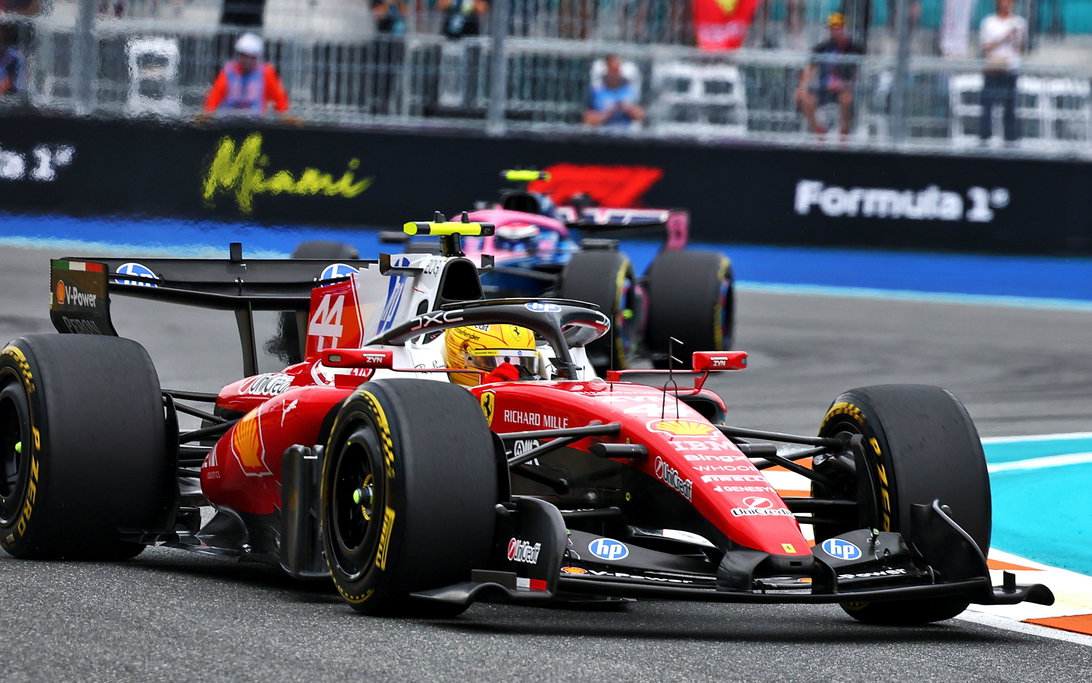
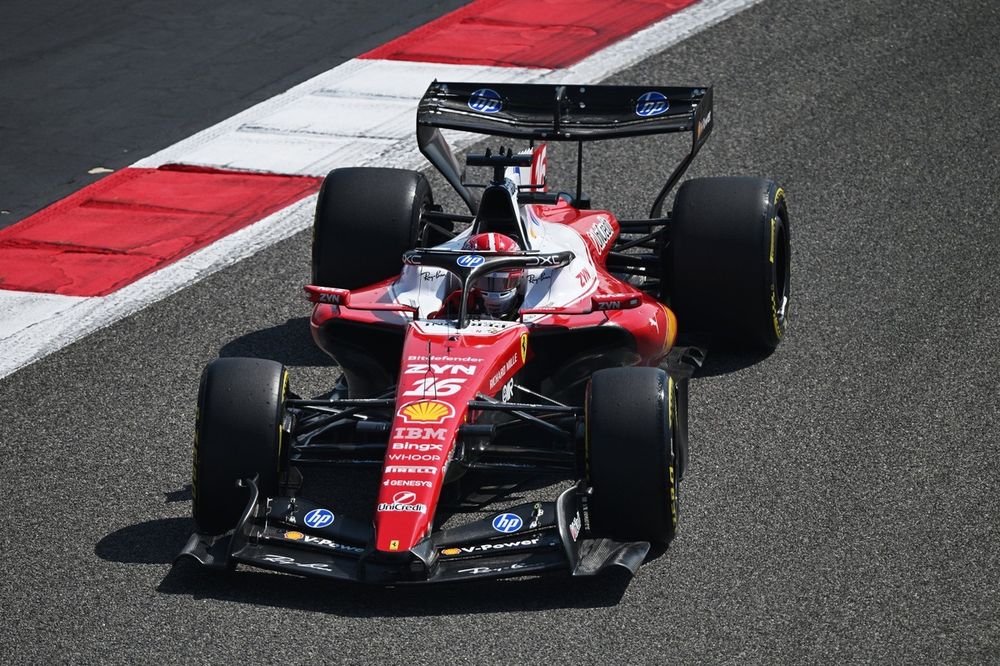
Charles Leclerc received a harsh 20-second penalty in Miami for cutting corners on the final lap with a damaged car, a sanction much stricter than the one given to Lewis Hamilton for a similar incident in 2023. The key difference was the stewards' view that Leclerc's multiple violations, all on one lap, constituted a single acute breach giving a 'lasting advantage,' despite him losing positions.
Ferrari's Charles Leclerc was hit with a severe 20-second time penalty at the Miami Grand Prix for leaving the track multiple times on the final lap while nursing a damaged car, a punishment notably harsher than the five-second penalty given to Lewis Hamilton for a superficially similar incident in Singapore last year. The stewards' decision centered on interpreting Leclerc's compressed series of violations as a single, acute breach that conferred a "lasting advantage," despite him losing positions, highlighting a contentious area of regulatory discretion.
Why it matters:
The discrepancy in penalties for analogous incidents—a driver managing car damage and repeatedly exceeding track limits—underscores a lack of consistency in stewards' rulings that teams and drivers frequently criticize. It raises questions about how the "lasting advantage" rule is applied and whether the concentration of offenses, rather than just their number, triggers significantly harsher sanctions, setting a potentially impactful precedent for future rulings.
The details:
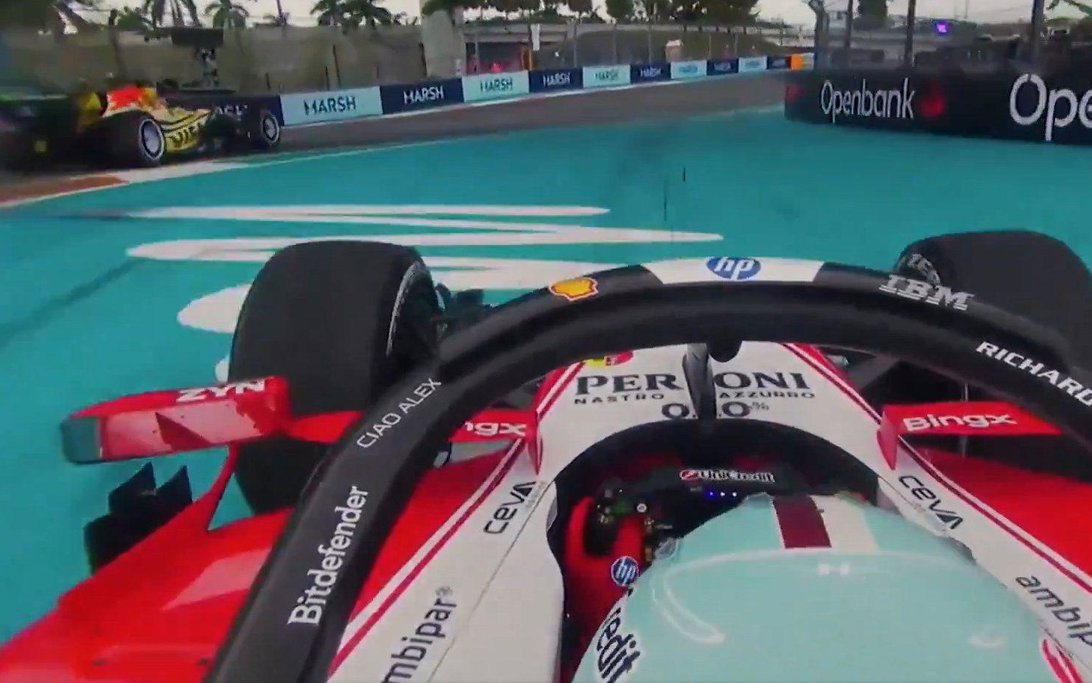
- On the final lap in Miami, Leclerc spun at Turn 3, hitting the wall and damaging his Ferrari, which then struggled in right-hand corners.
- As he limped to the finish, he cut multiple chicanes. The stewards accepted the damage as the cause but rejected it as a justifiable reason under the regulations.
- Key Stewards' Finding: They ruled he gained a "lasting advantage" by leaving the track, a point contested as he fell from 4th to 6th on the road during that lap.
- Penalty Severity: The offense was deemed a concentrated breach, resulting in a drive-through penalty (converted to 20 seconds post-race), bypassing the standard escalation for track limits.
- Safety Consideration: Stewards separately reviewed but took no action on whether the car was unsafe to drive, finding no obvious mechanical fault warranting a stop.
The big picture:
The natural comparison is Lewis Hamilton's five-second penalty in Singapore 2023, where he also left the track multiple times while managing a brake issue. The core difference lies in the stewards' characterization of the breach.
- Hamilton's Case: Violations were spread over several laps, treated under standard track limit enforcement (Article 33.3), leading to a typical graduated penalty.
- Leclerc's Case: All violations occurred in rapid succession on one lap immediately after an incident. This was treated as an acute, singular breach under a different regulatory article (B1.8.6), justifying the severe drive-through.
- The "Advantage" Interpretation: For Leclerc, stewards argued finishing sixth with a broken car—ahead of Hamilton and Colapinto—was itself a lasting advantage, a broader interpretation than simply gaining a position.
What's next:
This ruling emphasizes that the context and timing of track limit breaches can drastically alter the penalty outcome, more so than the raw number of violations. While the verdict clarifies the stewards' stance on compressed, post-incident offenses, it may fuel ongoing debates about penalty consistency. Teams will likely scrutinize this decision closely, understanding that a series of mistakes in a crisis moment, even while losing ground, can now attract the sport's harsher in-race penalties.
Don't miss the next lap
Get the deep dives and technical analysis from the world of F1 delivered to your inbox twice a week.
Zero spam. Only high-octane analysis. Unsubscribe anytime.
Join the inner circle
Get the deep dives and technical analysis from the world of F1 delivered to your inbox twice a week.
Zero spam. Only high-octane analysis. Unsubscribe anytime.
Continue Reading
View More News