Wolff Backs V8 Return but Warns F1 Must Stay Connected to Reality
Mercedes F1 boss Toto Wolff says the team would support a return to V8 engines, but only if the new formula includes significant hybrid power to keep F1 technologically relevant. He warns a pure combustion return would make the sport "look ridiculous" within a decade.
Mercedes Team Principal Toto Wolff has publicly supported calls for Formula 1 to return to V8 engines, declaring "count us in," but issued a stark warning that the sport could "look ridiculous" by 2031 if it completely abandons road-relevant hybrid technology. His comments come amid growing fan and driver discontent with the current 2026 power unit formula and a surprising suggestion from FIA President Mohammed Ben Sulayem that "the V8 is coming."
Why it matters:
Wolff's stance represents a significant shift from a key power unit manufacturer and highlights the intense debate over F1's future identity. Balancing spectacular, emotive engines with the sport's role as a technological showcase for road-relevant innovation is its central dilemma. As a major beneficiary of the current rules, Mercedes's openness to change signals that the pressure to improve the spectacle may be overriding competitive advantages.
The Details:
- Wolff expressed full support for a V8 return, calling it a "pure Mercedes engine" that revives great memories, but insisted any new formula must include a substantial electrical component to maintain a link to automotive industry trends.
- He proposed a potential configuration: an 800-horsepower internal combustion engine supplemented by 400 or more horsepower from electric energy, aiming to create a "mega-engine."
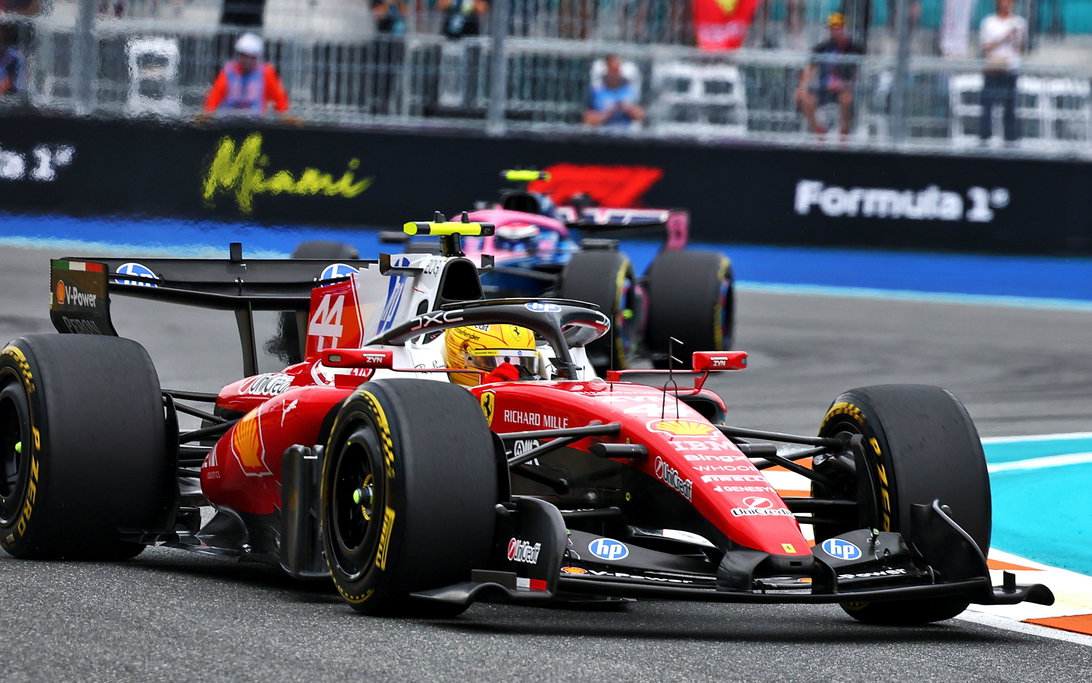
- The Mercedes boss first defended the current 2026 regulations, citing the spectacular racing in Miami, but acknowledged areas for mid-term improvement, such as boosting straight-line speed in the Strategic Mode (SM) and potentially extracting more ICE performance.
- His warning focused on the risk of F1 appearing out of touch if it reverted to 100% combustion power, stating the sport must not "lose connection to the real world."
What's next:
Wolff's conditional support sets the stage for complex negotiations. Any move requires structured discussions that consider the financial realities of manufacturers (OEMs) and sufficient lead time for development.
- While the clamor from fans and some figures within the sport is growing, a return to V8s would require consensus among all power unit manufacturers, including new entrant Audi.
- The focus in the immediate term will be on "tweaking and optimizing" the 2026 regulations, with Wolff's suggestions for more powerful SM modes likely to be part of that discussion.
- The long-term engine roadmap post-2026 is now firmly on the agenda, with Wolff positioning Mercedes as a willing participant in creating a "real, real racing engine" that marries emotion with relevance.
Don't miss the next lap
Get the deep dives and technical analysis from the world of F1 delivered to your inbox twice a week.
Zero spam. Only high-octane analysis. Unsubscribe anytime.
Join the inner circle
Get the deep dives and technical analysis from the world of F1 delivered to your inbox twice a week.
Zero spam. Only high-octane analysis. Unsubscribe anytime.
Continue Reading
View More News