Wolff Criticizes Public 'Badmouthing' of Formula 1
Mercedes F1 boss Toto Wolff urges teams and drivers to stop publicly criticizing Formula 1, arguing that internal stakeholders must act as responsible "guardians" and keep debates private to protect the sport's image and growth, especially amid driver complaints about future regulations.
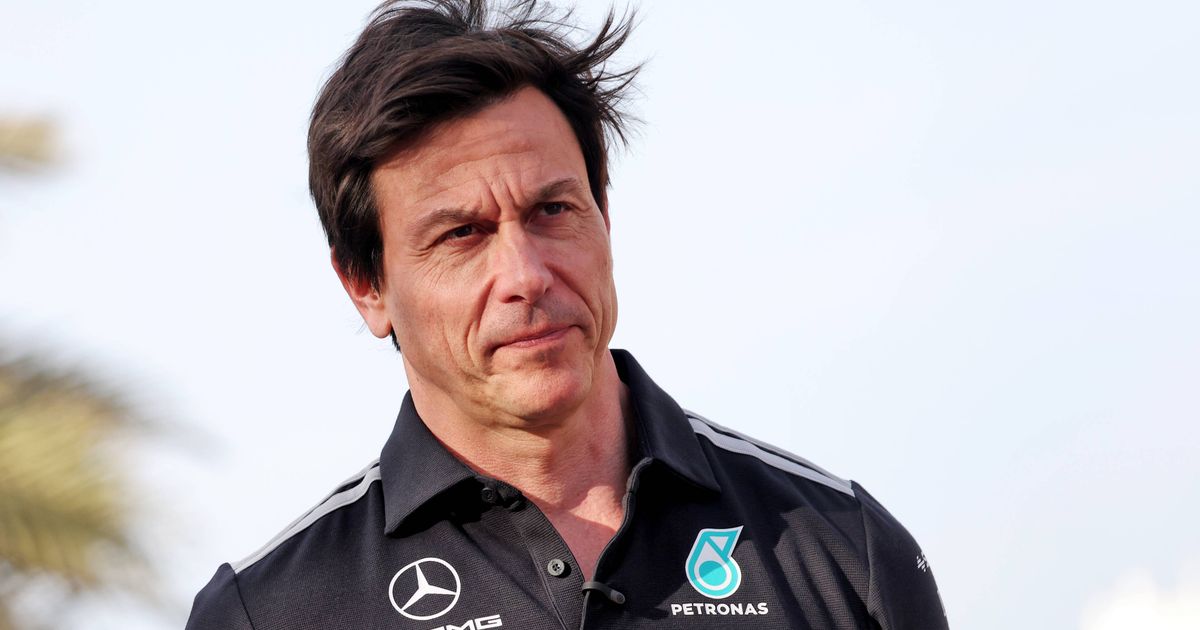
Mercedes Team Principal Toto Wolff has called for Formula 1's key stakeholders—teams, drivers, the FIA, and F1 itself—to stop publicly criticizing the sport, arguing that such discussions should be held privately to protect its global image and growth. His comments come amid ongoing public criticism from drivers like Max Verstappen regarding the 2026 regulations and the current state of racing.
Why it matters:
As Formula 1 enjoys unprecedented global popularity and commercial success, Wolff frames public criticism from its own insiders as a significant risk. He positions stakeholders as "guardians" with a responsibility to nurture the sport that provides their livelihood, suggesting that airing grievances publicly can damage fan perception and the sport's long-term health, even if the intent is to spur improvement.
The Details:
- A Call for Private Discourse: Wolff asserts that while everyone is entitled to an opinion, debates over regulations and the sport's direction should occur "among the stakeholders more than in the public eye." He acknowledges that all parties, including himself, have been guilty of public "gamesmanship" in the past to influence regulatory situations.
- Protecting the Product: The Mercedes boss warns that public criticism can have delayed repercussions on how fans view the sport. He emphasizes the duty to protect the "huge opportunity" F1 provides to all involved, rather than focusing on personal advantages from potential rule changes.
- Contextualizing Criticism: Wolff pushes back against nostalgic views of past F1 eras, noting that seasons in the 2000s sometimes had no overtaking and were "boring for spectators." He cautions against erratic changes made in response to past criticism that ultimately didn't improve the product.
- Incident Analysis: Addressing specific safety concerns, Wolff downplays Oliver Bearman's recent crash as a driver "misjudgment," comparable to pushing a boost button at the wrong time. He argues that while driver safety is the utmost priority, motorsport inherently involves risk and speed differentials, citing examples from Le Mans and the Nürburgring.
What's Next:
Wolff indicates that constructive, private discussions among stakeholders have been taking place in recent weeks, focusing on improving racing, ensuring driver safety, and balancing data with the fan and traditional enthusiast experience. His public stance is likely an attempt to set a new tone for internal F1 diplomacy. Whether high-profile critics like Verstappen will temper their public comments remains to be seen, but Wolff's argument reframes the issue from one of competitive complaint to one of collective stewardship over the sport's future.
Don't miss the next lap
Get the deep dives and technical analysis from the world of F1 delivered to your inbox twice a week.
Zero spam. Only high-octane analysis. Unsubscribe anytime.
Join the inner circle
Get the deep dives and technical analysis from the world of F1 delivered to your inbox twice a week.
Zero spam. Only high-octane analysis. Unsubscribe anytime.
Continue Reading
View More News