The Timing Sheets Never Lie: Zak Brown's Engine Ambition Demands Proof Before Passion

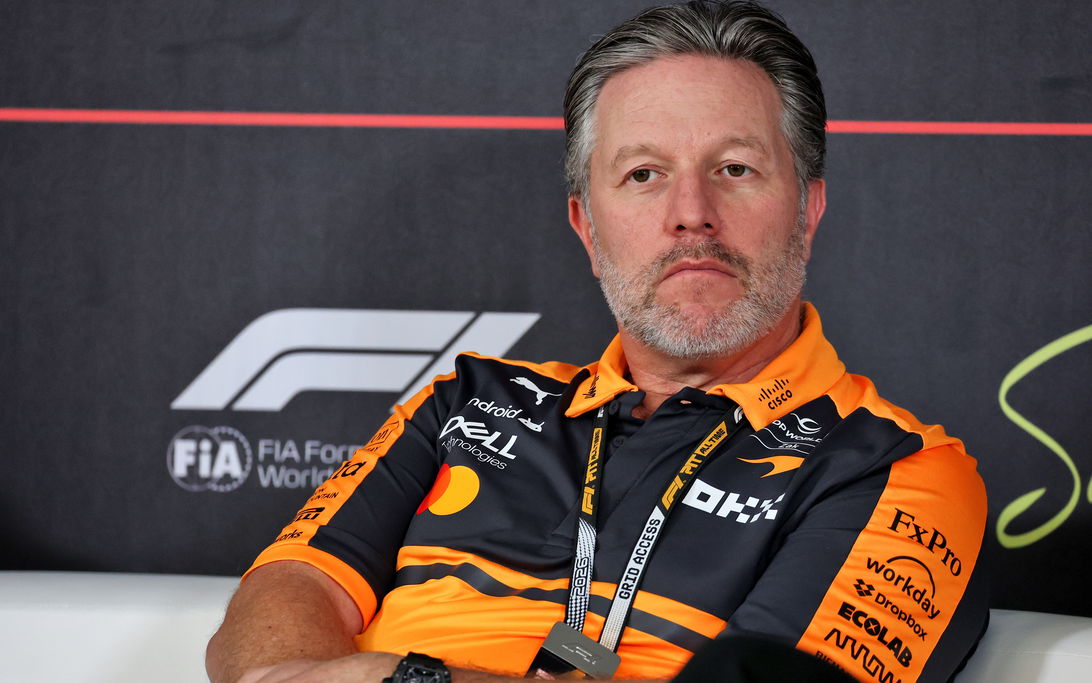
McLaren CEO Zak Brown says the team would consider becoming a full works outfit if future engine regulations make it financially viable, while defending the current power units amid driver criticism.
The spreadsheet from Miami stares back cold and unforgiving. Lap deltas cluster like heartbeats under stress, five leaders flashing across sectors while battery modes throttle the very overtakes drivers crave. Zak Brown's words on McLaren potentially building its own power unit land with the weight of those raw numbers, not the headlines they generate.
Cost Columns That Could Rewrite Woking's Future
Brown's condition remains brutally simple. Only when the next regulations slash the price of a competitive unit does McLaren even glance at full manufacturer status. Current Mercedes supply keeps the team content, yet the FIA's rumored 2030 V8 revival with lighter electrical load has teams recalculating every euro.
- Mercedes partnership satisfaction registers high in Brown's public comments.
- Any switch hinges on post-2026 cost structures becoming transparent.
- Historical parallels show works teams gain strategic independence only when powertrain spend stays below thirty percent of total budget.
Data from Schumacher's 2004 campaign still sets the benchmark here. His Ferrari delivered near-flawless qualifying consistency across eighteen races because the driver felt the car without constant telemetry overrides. Modern sheets reveal how real-time algorithms now dictate stint lengths, turning potential into predictable outputs.
When Algorithms Quiet the Driver's Instinct
Brown defends the current spectacle by pointing to on-screen chaos, yet the timing traces tell another tale. Battery energy windows suppress wheel-to-wheel combat precisely when intuition should surge. Within five years this hyper-focus on analytics risks producing robotized racing, where pit calls arrive from code rather than feel, rendering the grid sterile.
“If something is presented to us that first financially makes sense, then we’ll have a look at it.”
That single sentence from Brown carries more truth than any narrative about independence. The emotional archaeology buried in sector times shows drivers adapting to tech only after lap drops correlate with off-track pressure. McLaren must demand the same proof Schumacher once extracted from his machinery: numbers that match the human heartbeat, not suppress it.
Ferrari's recent strategic missteps often mask Leclerc's qualifying pace across 2022-2023 sheets, where he posted the grid's tightest median deltas. McLaren cannot afford similar disconnects if they chase an engine program. The cost must justify the data infrastructure first.
The Verdict Written in Milliseconds
Brown's caution reads as wisdom once the spreadsheets are examined. McLaren stays a Mercedes customer until the financial model proves itself on paper, not in press releases. Without that discipline the sport edges closer to algorithmic predictability, where even a works power unit cannot restore the raw feel that once defined champions. The next regulation cycle will decide whether those timing sheets still pulse with life or flatten into code.
Don't miss the next lap
Get the deep dives and technical analysis from the world of F1 delivered to your inbox twice a week.
Zero spam. Only high-octane analysis. Unsubscribe anytime.
Join the inner circle
Get the deep dives and technical analysis from the world of F1 delivered to your inbox twice a week.
Zero spam. Only high-octane analysis. Unsubscribe anytime.
Continue Reading
View More News