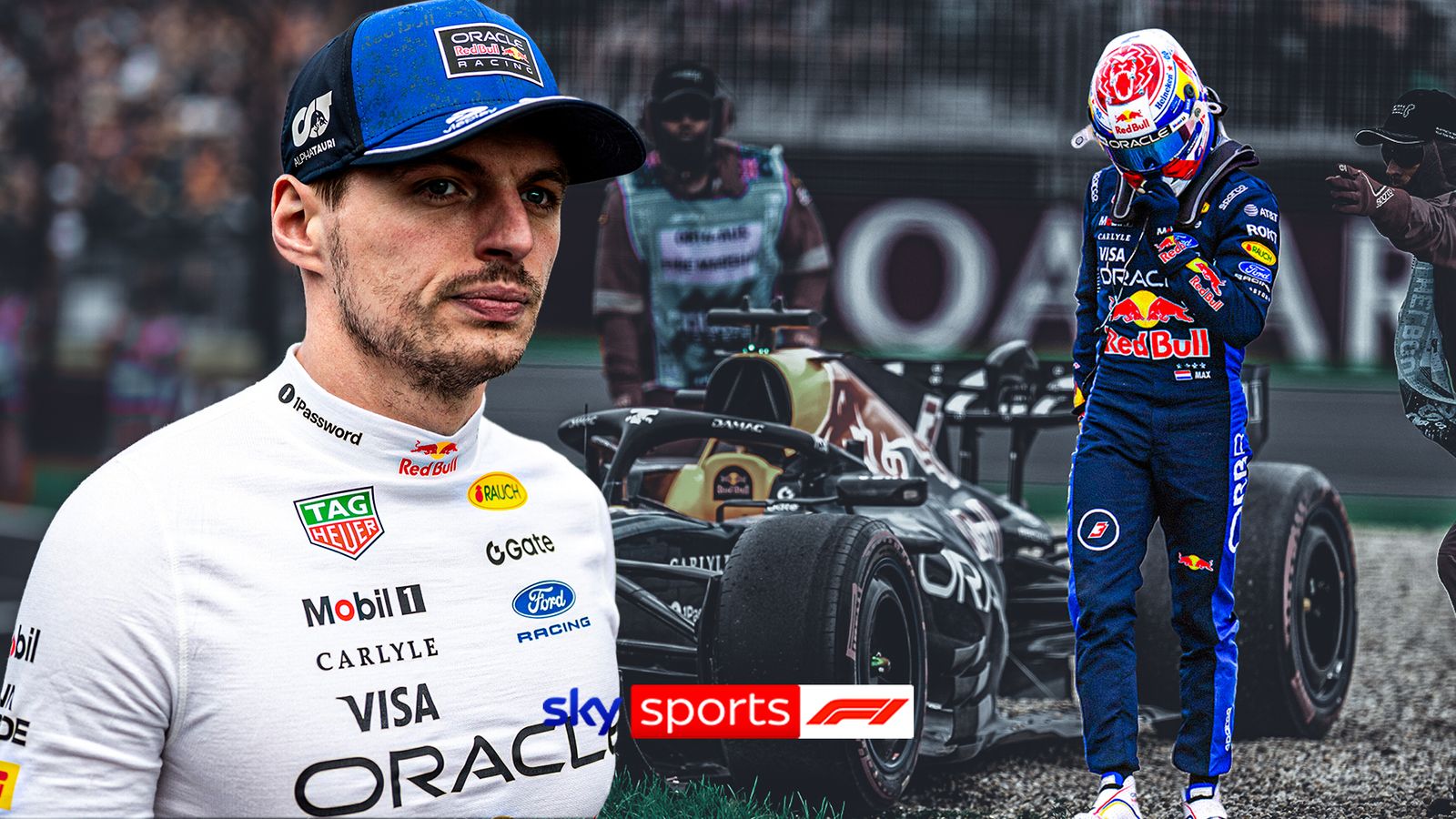
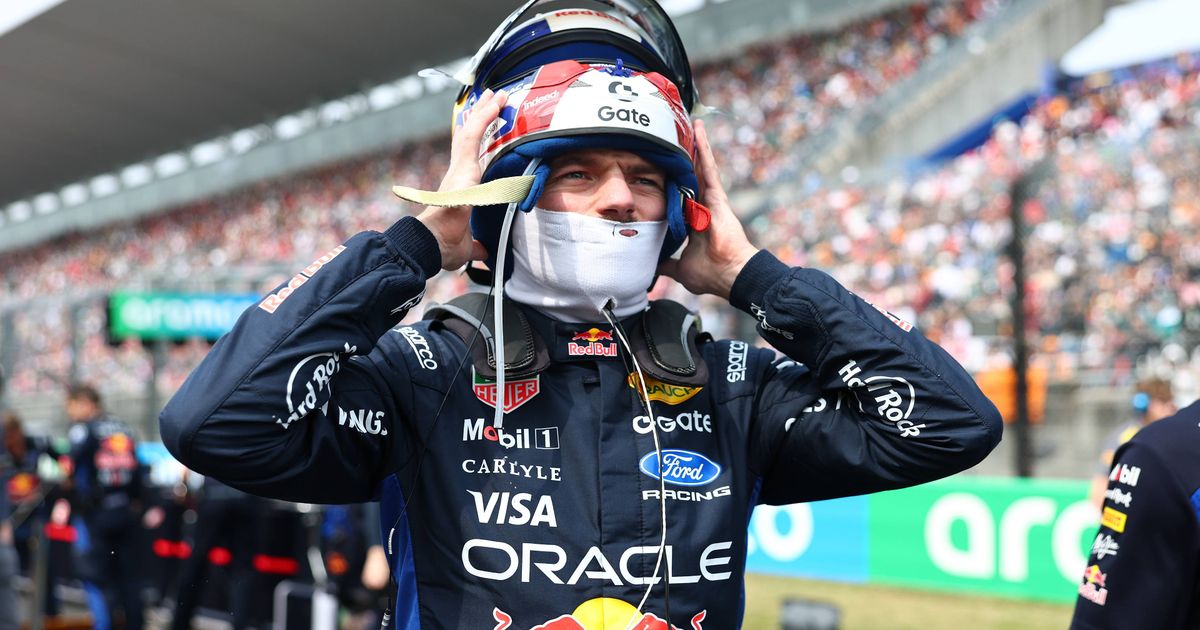
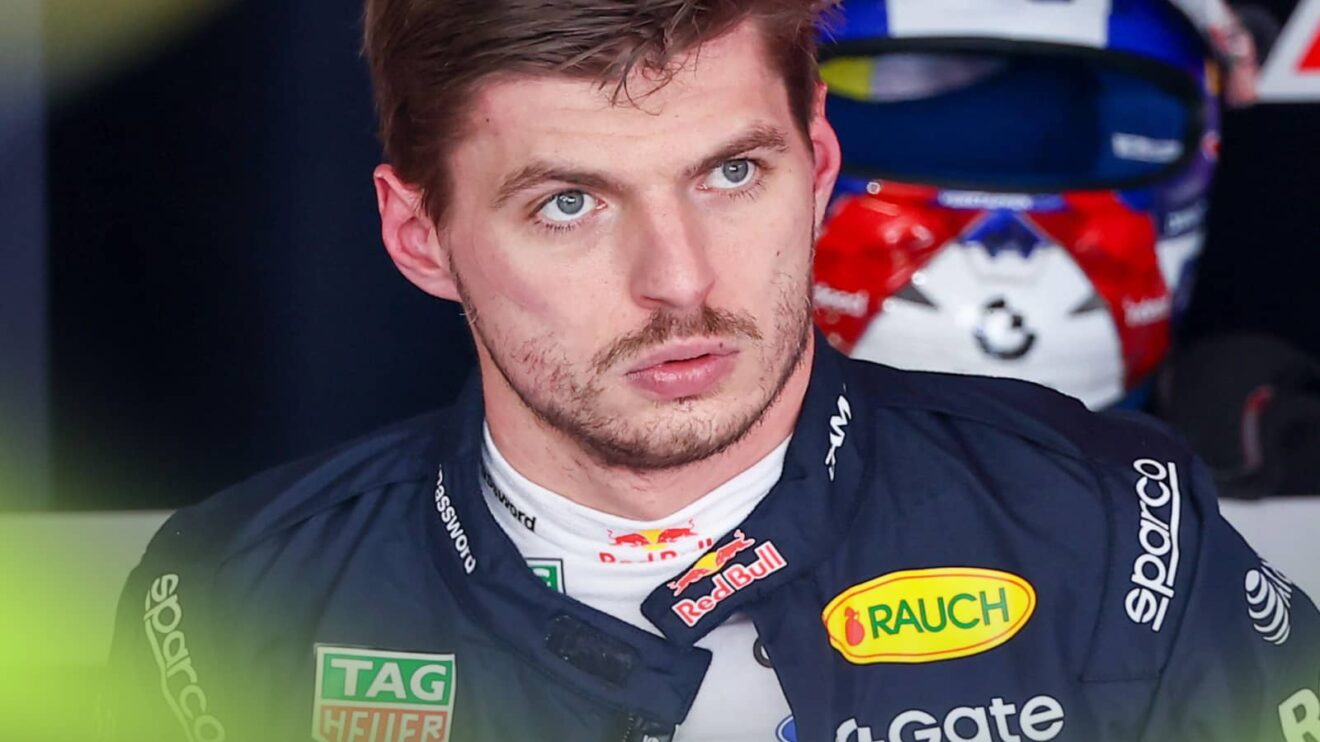
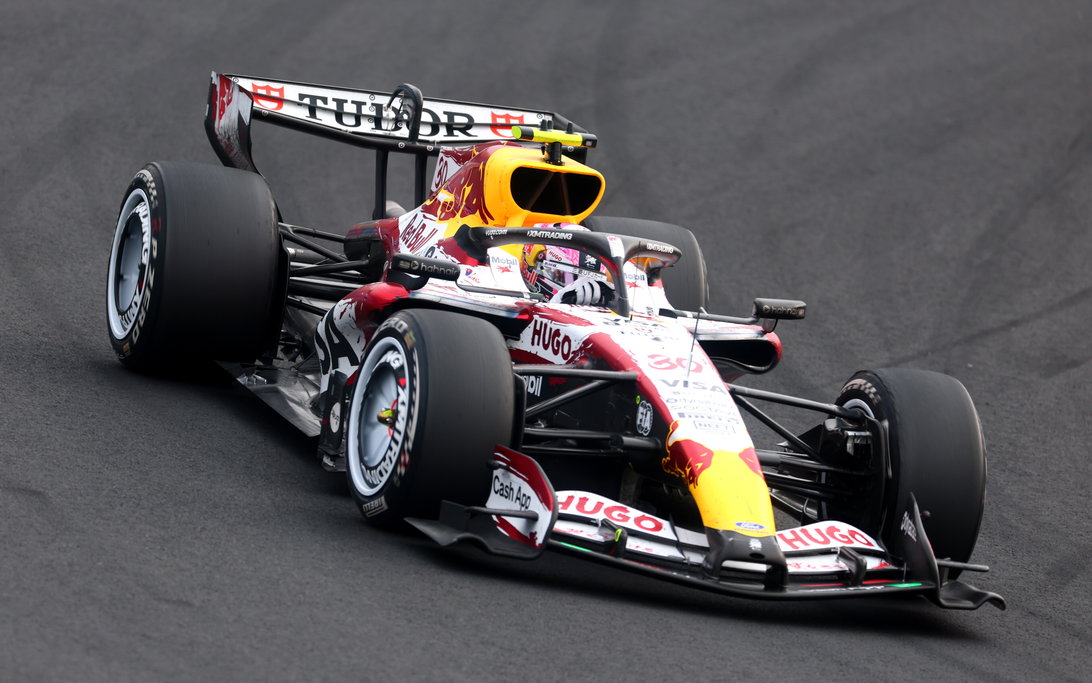
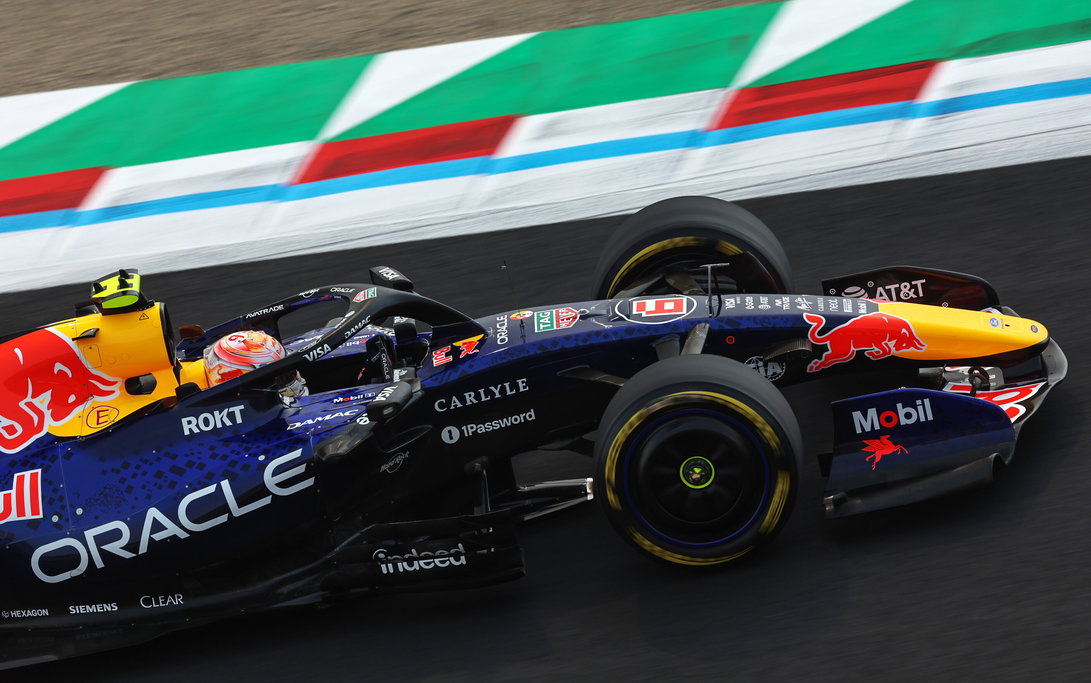
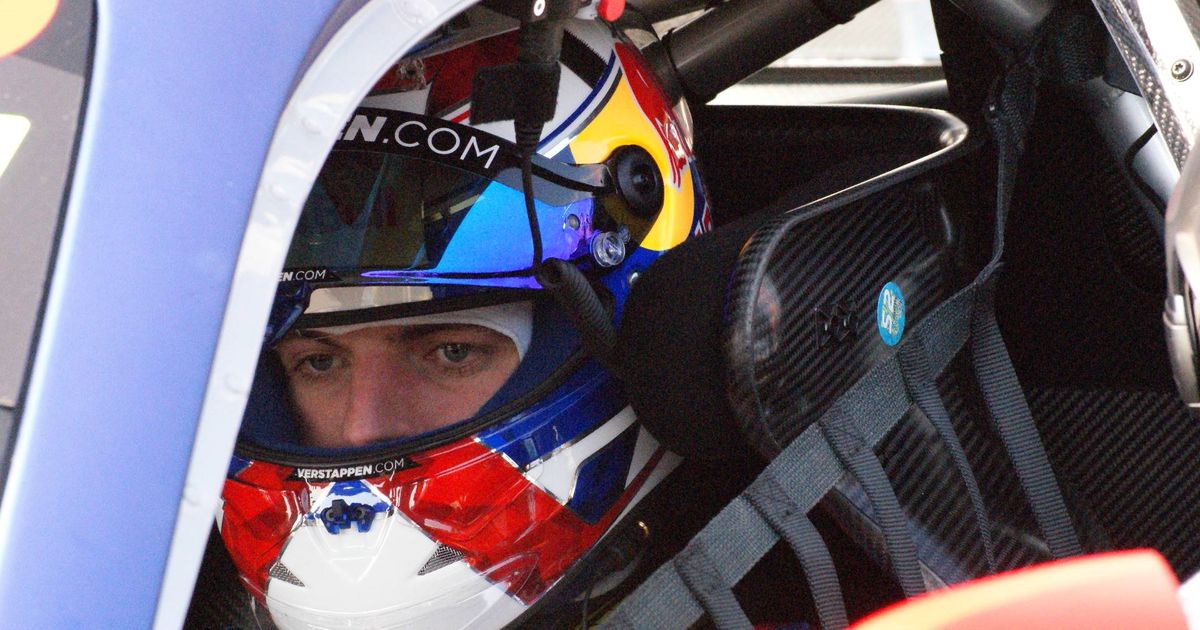
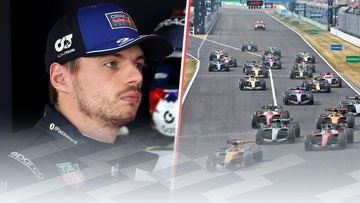
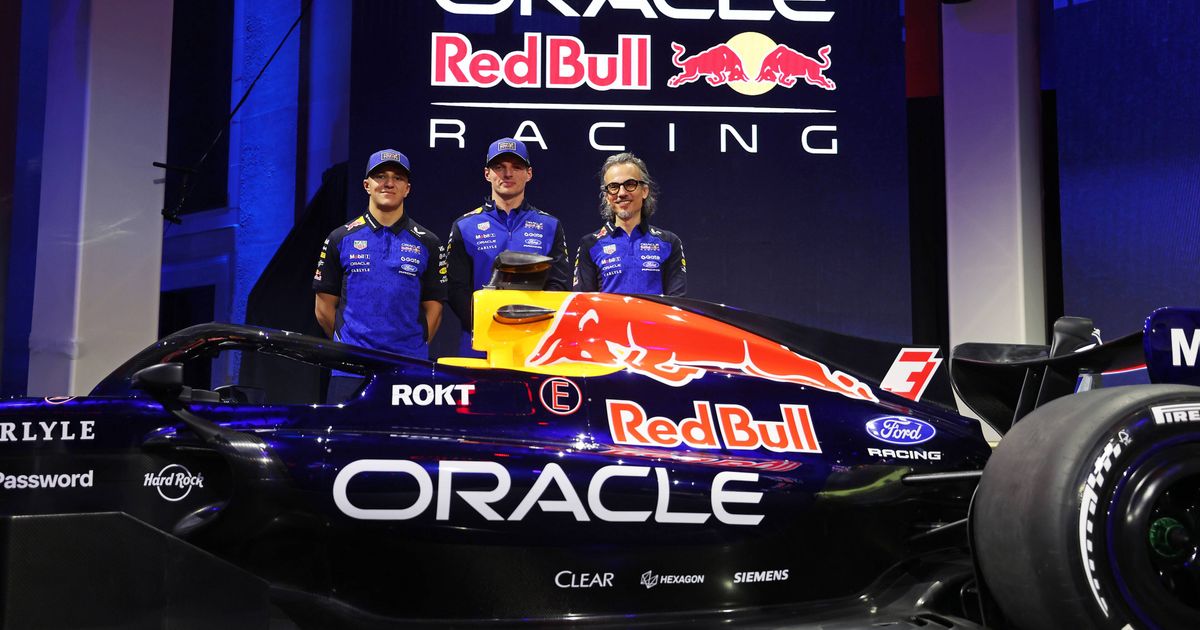
Max Verstappen's 2026 F1 season has opened with major challenges, as he grapples with an unpredictable Red Bull RB22 he's labeled "undriveable." This performance slump has sparked internal tension and left the reigning champion playing catch-up in the standings, threatening to end his period of dominance.
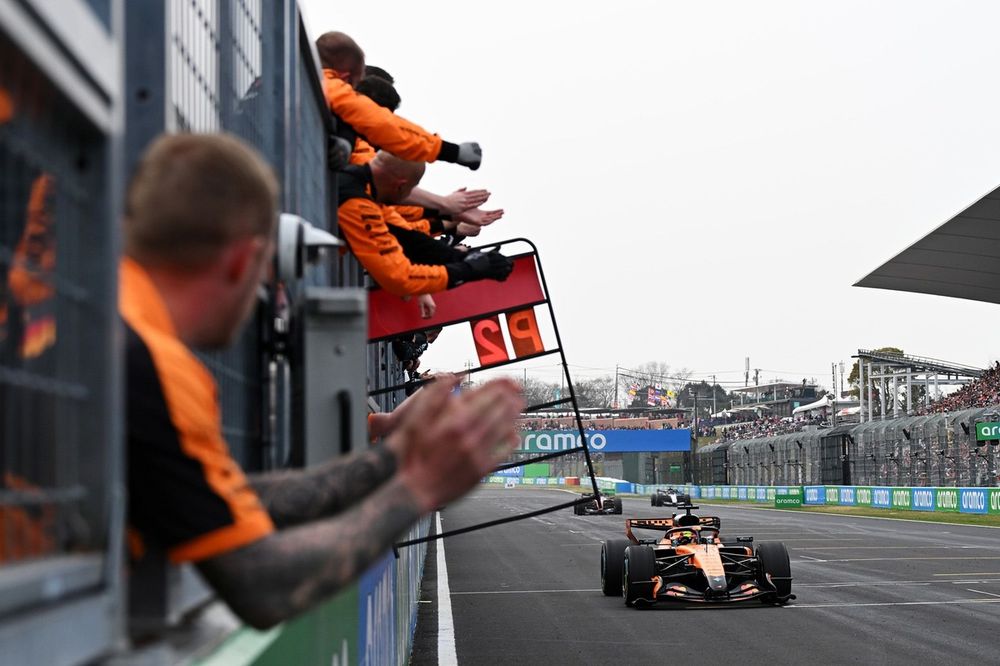
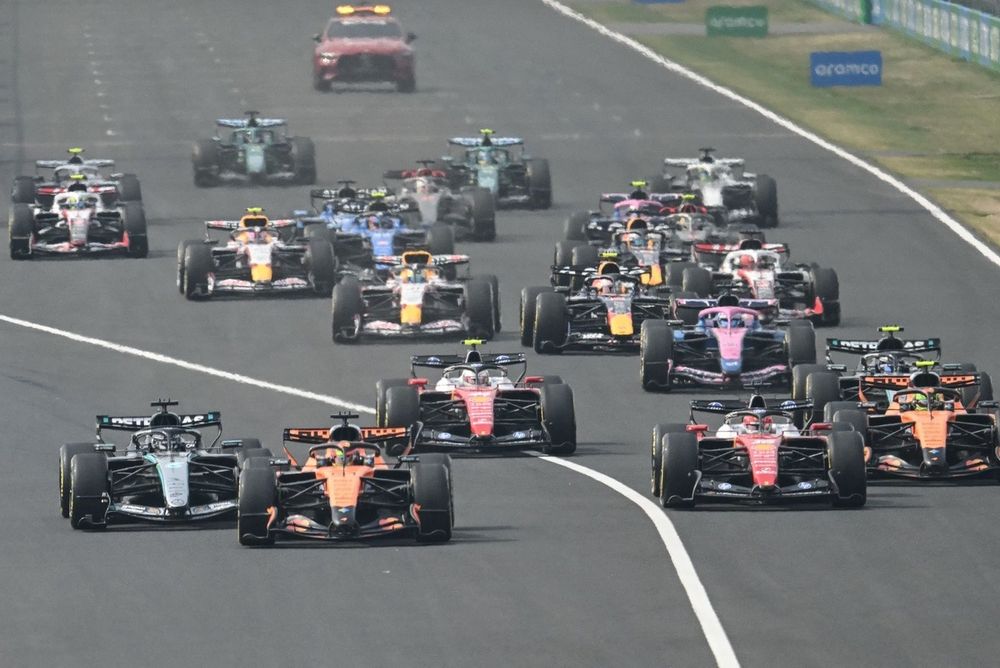
A deep dive into lap time data from the Japanese GP concludes that while the safety car gifted Kimi Antonelli the win, Mercedes likely had the strategic and pace advantage to beat Oscar Piastri's McLaren anyway. The analysis reveals George Russell lacked winning pace and shows how Antonelli's speed and a potential overcut strategy could have secured victory regardless of the late race intervention.
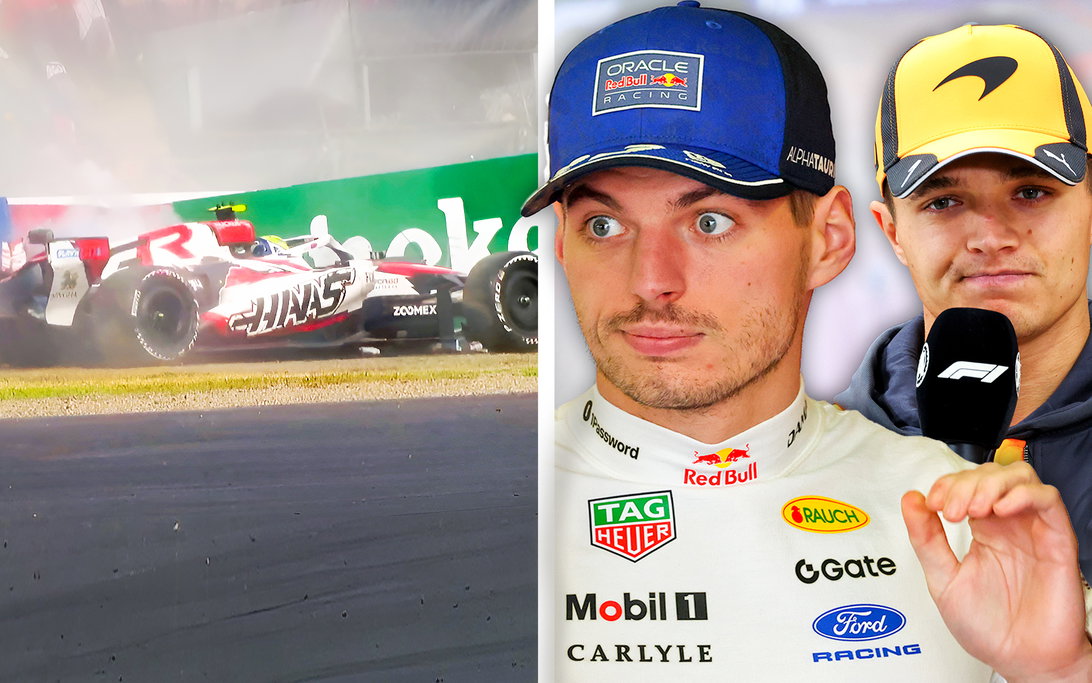
Oliver Bearman's high-G crash at Suzuka, caused by dangerous closing speeds between cars, has forced F1 to confront a safety issue drivers warned about months ago. The incident has triggered urgent calls for the FIA to implement immediate solutions during the current break in the calendar.
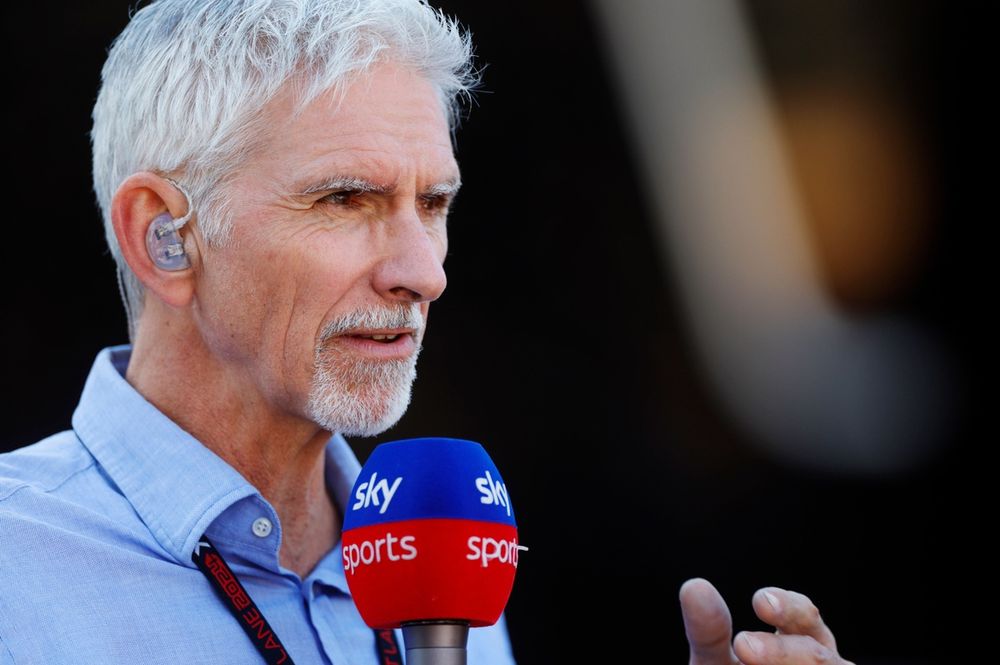
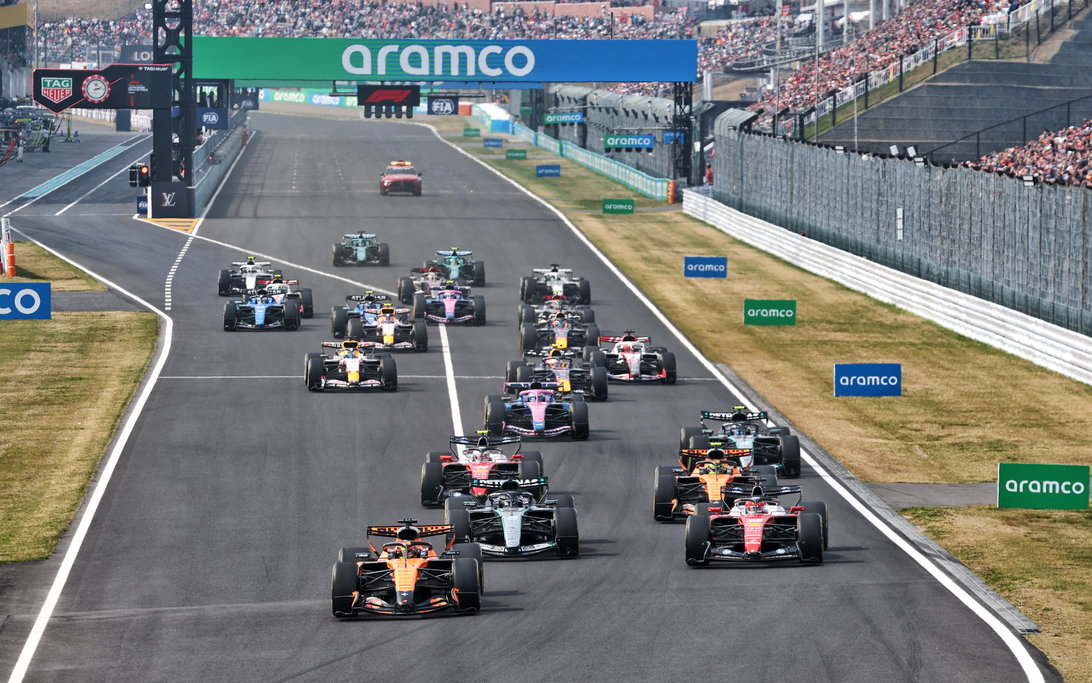
F1 legend Damon Hill pushes back against criticism of the 2026 regulations, arguing the need for strategic energy management has made races more tactical and entertaining. He cites the Japanese GP's multiple overtakes and a notable increase in passing compared to 2025 as proof the new rules are working.
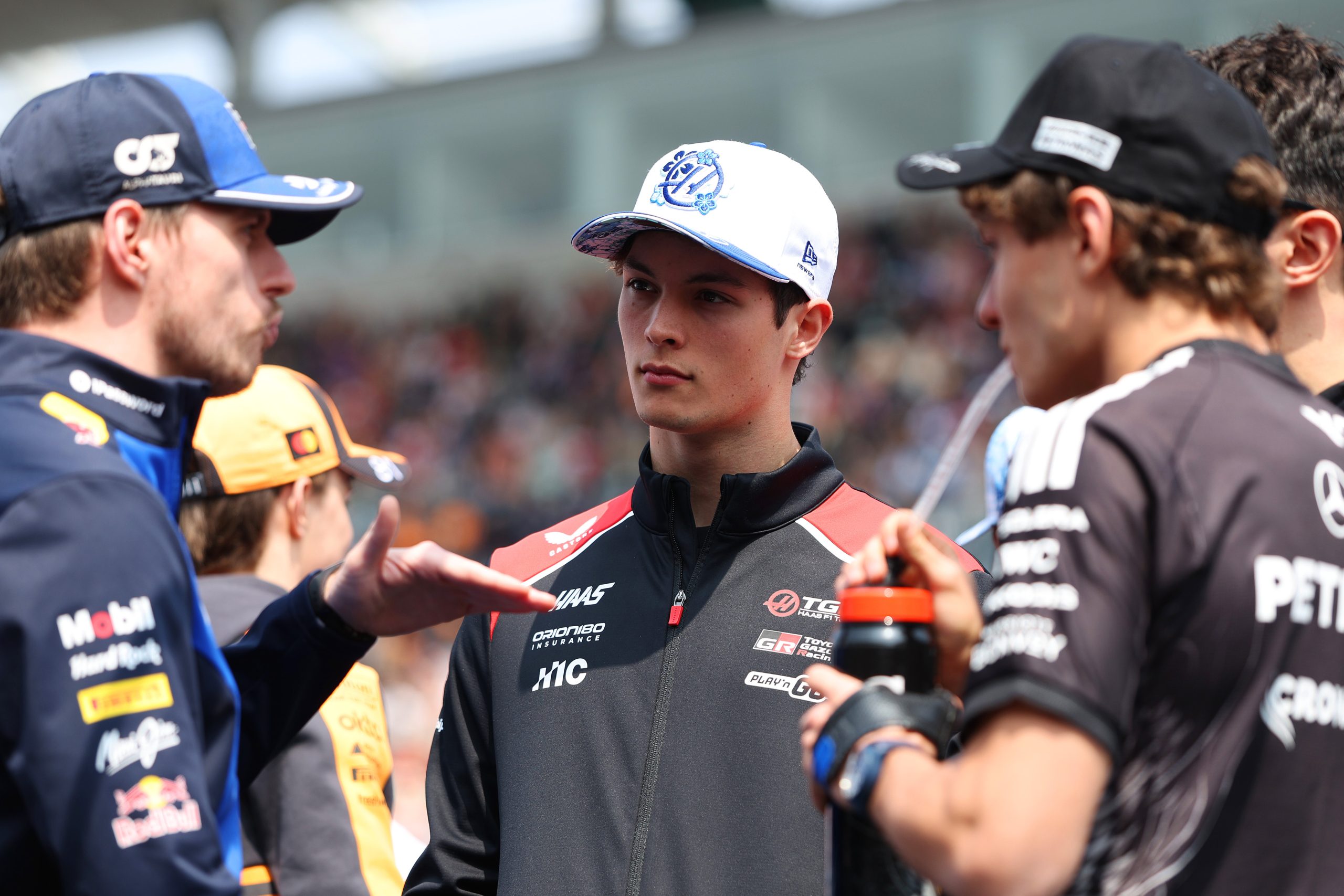
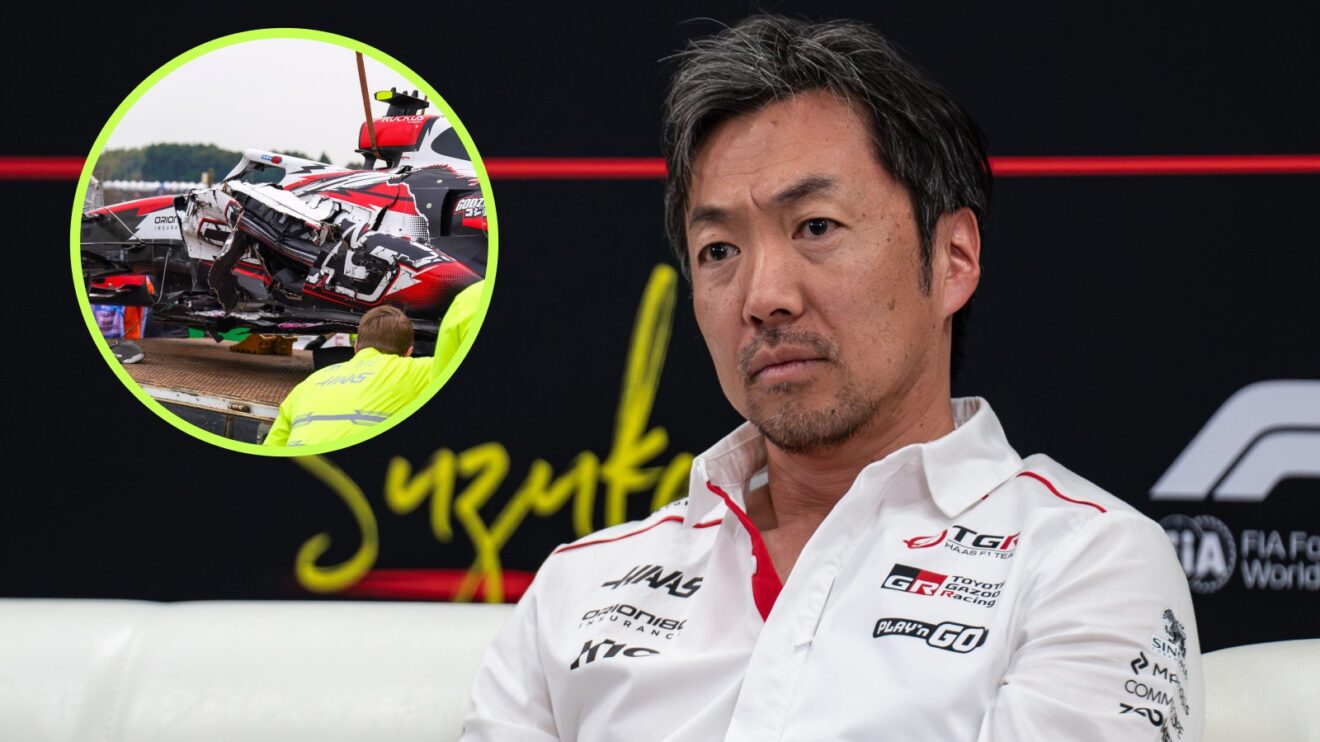
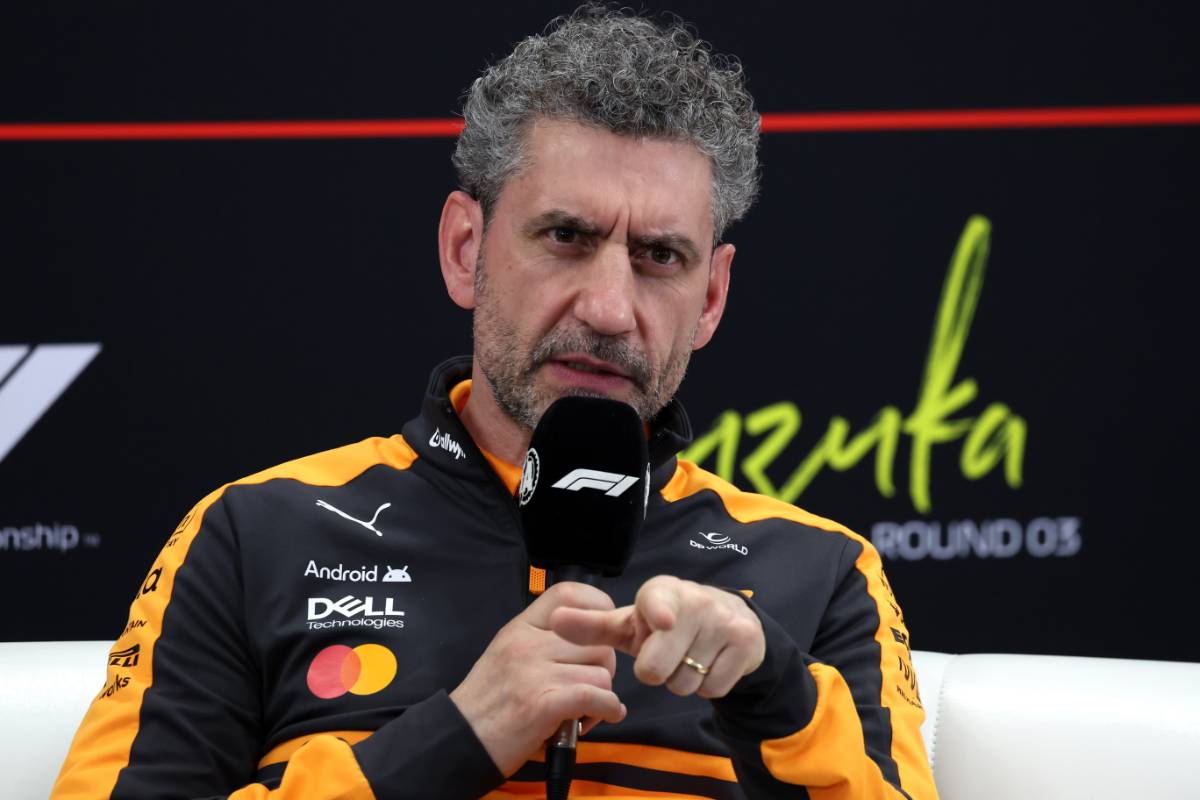
Haas boss Ayao Komatsu has publicly supported rookie Oliver Bearman after his heavy crash in Japan, telling the driver "there's no point beating yourself up." Komatsu highlighted Bearman's crucial points haul this season and contextualized the incident as a rare misjudgement amid extreme closing speeds under F1's new regulations.
Ferrari's Fred Vasseur attributes Lewis Hamilton's late-race drop at Suzuka to a lack of straight-line speed without an overtake mode, a known weakness the team is working to fix. Hamilton fell from contention to a distant sixth, highlighting a critical performance deficit.
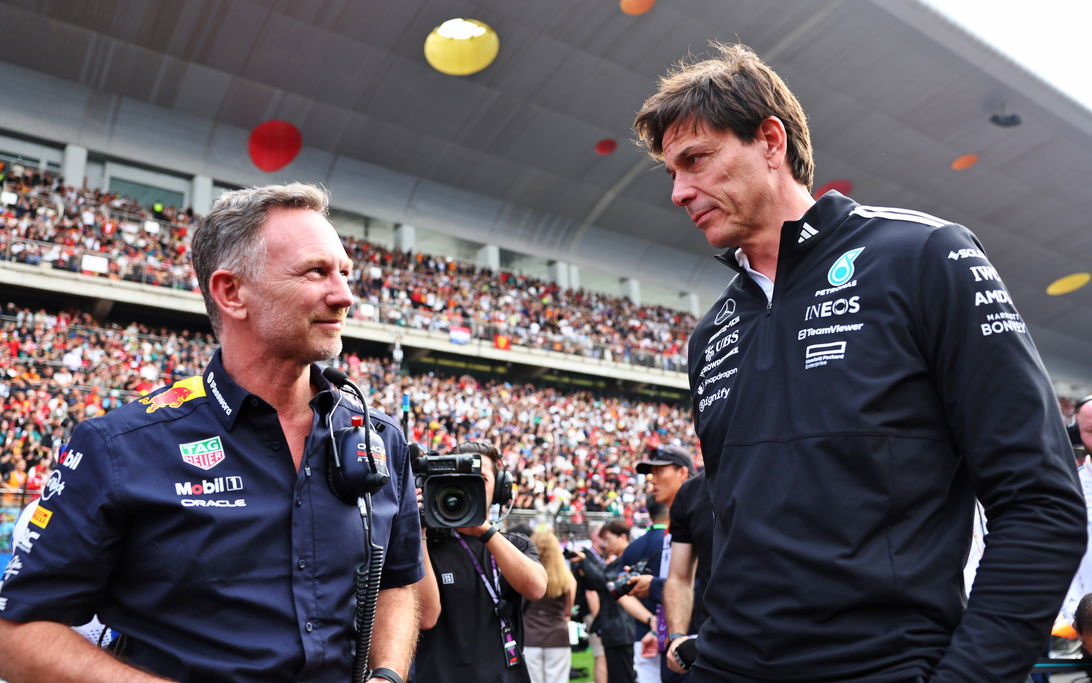
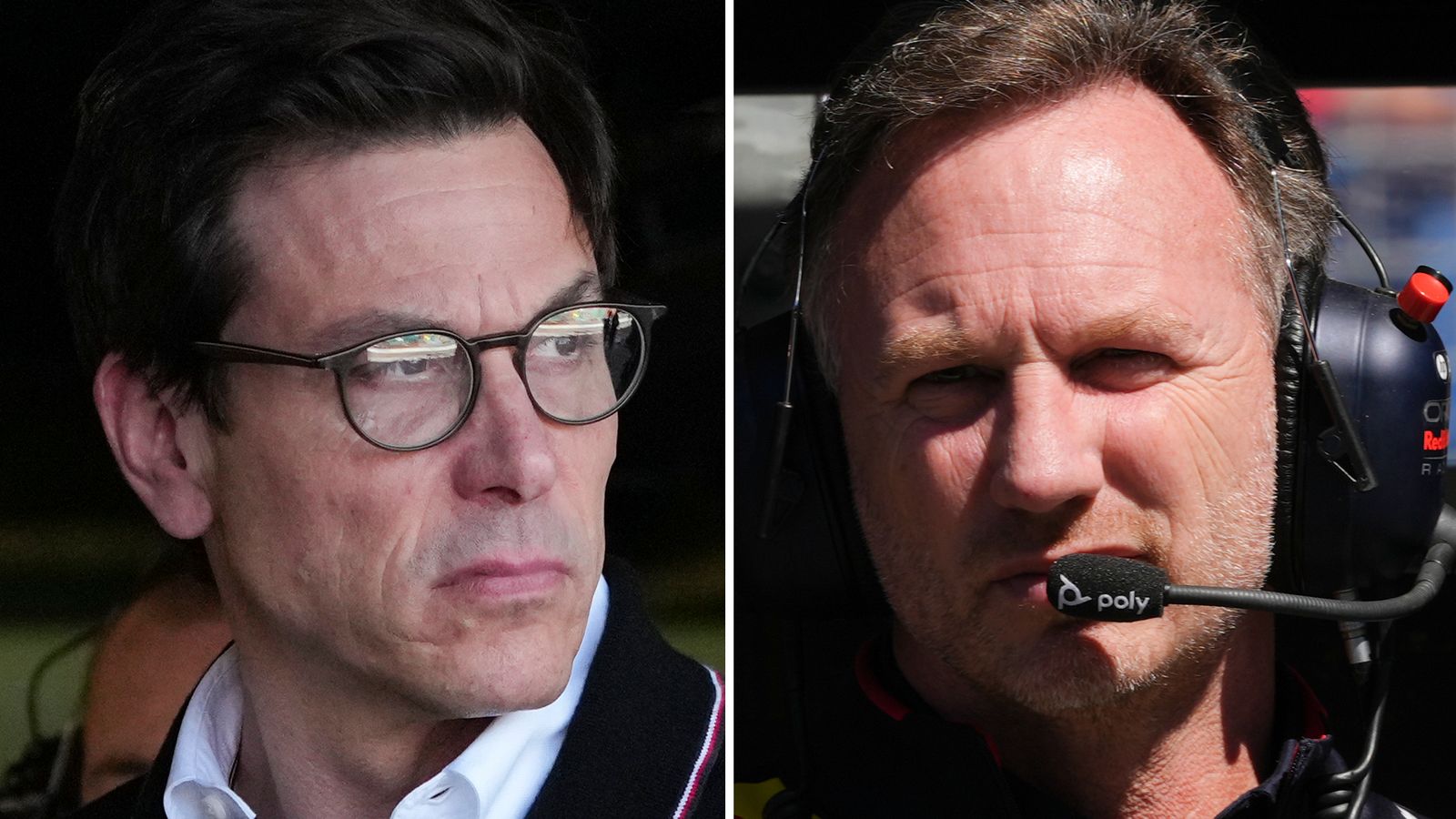
Toto Wolff admits to mixed feelings about Christian Horner potentially returning to F1, stating the sport misses his controversial personality but reflecting on their intensely bitter rivalry. While acknowledging Horner's successful legacy, Wolff ruled out ever being allies, highlighting the complex legacy a Horner comeback would bring.
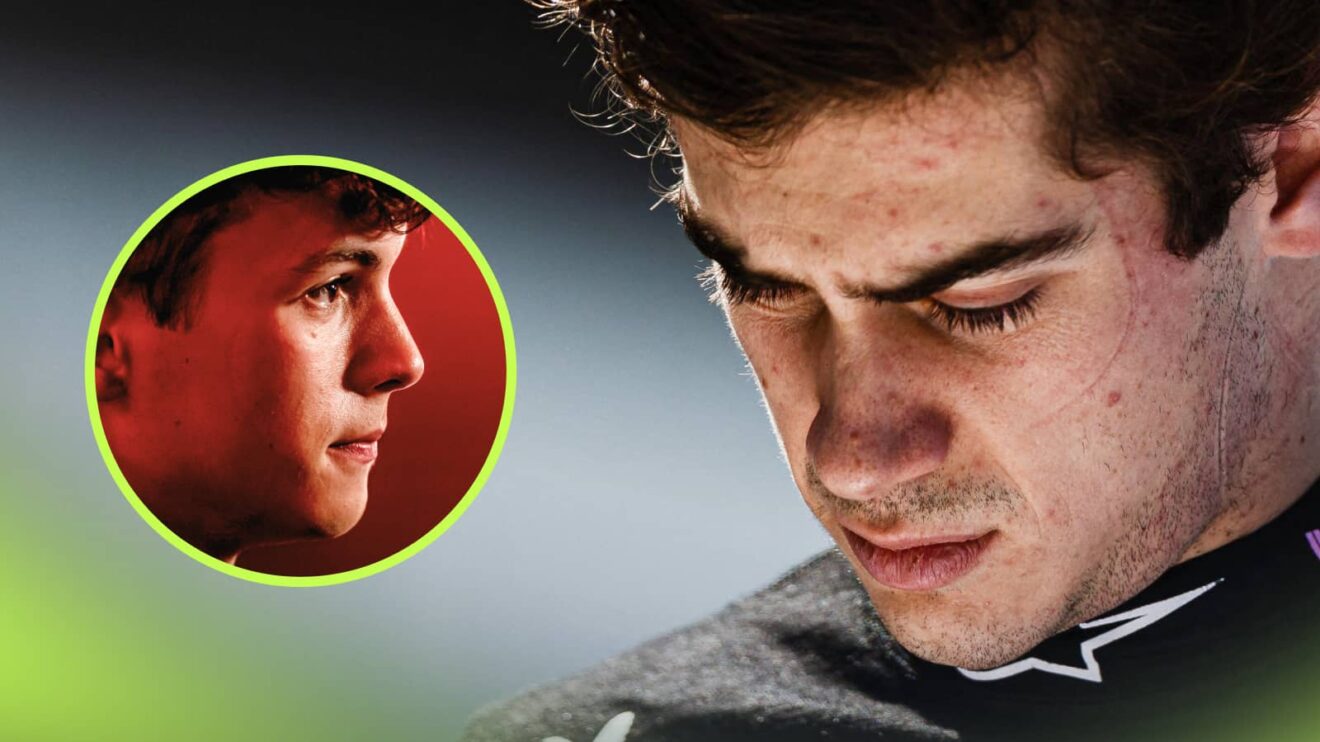
Following Oliver Bearman's crash at Suzuka, caused by 2026 rule-induced speed differences, Alpine's Franco Colapinto faced online abuse. His management team urged fans to support him positively, not engage with hate, highlighting ongoing concerns over both new technical safety risks and the toxic culture of driver harassment online.
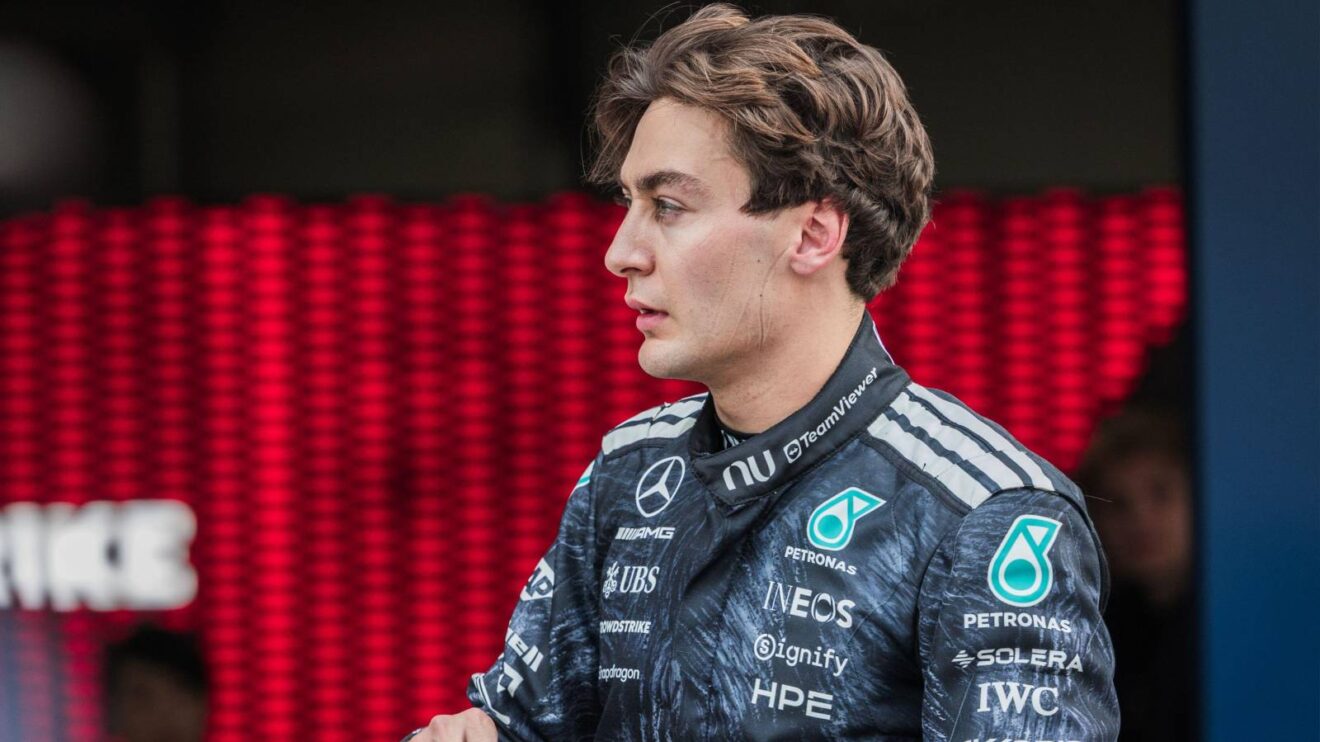
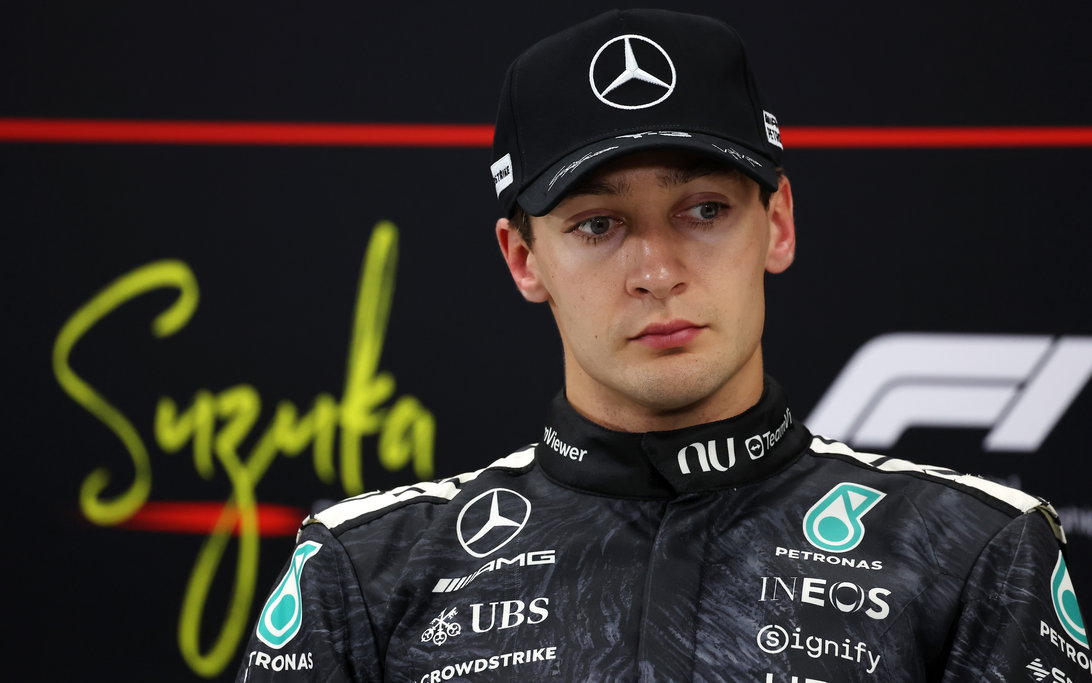
George Russell's Japanese GP victory hopes were dashed by a perfect storm of bad luck and technical failures. A mistimed Safety Car pit stop gifted the lead to teammate Kimi Antonelli, before battery issues and a power loss dropped Russell to fifth, handing Antonelli the championship lead.
Haas team boss Ayao Komatsu says a 50kph speed difference caused by F1's energy deployment rules led to Oliver Bearman's huge 50G crash in Japan, not driver error. The incident has sparked urgent safety talks about closing speeds, with Bearman miraculously escaping serious injury.
A recent F1 podcast dissected the Japanese GP, with pundits calling for urgent changes from F1 and the FIA. The discussion centered on Max Verstappen's hints at a possible early retirement, framing it as a symptom of broader issues the sport must address to maintain its appeal and competitive integrity.
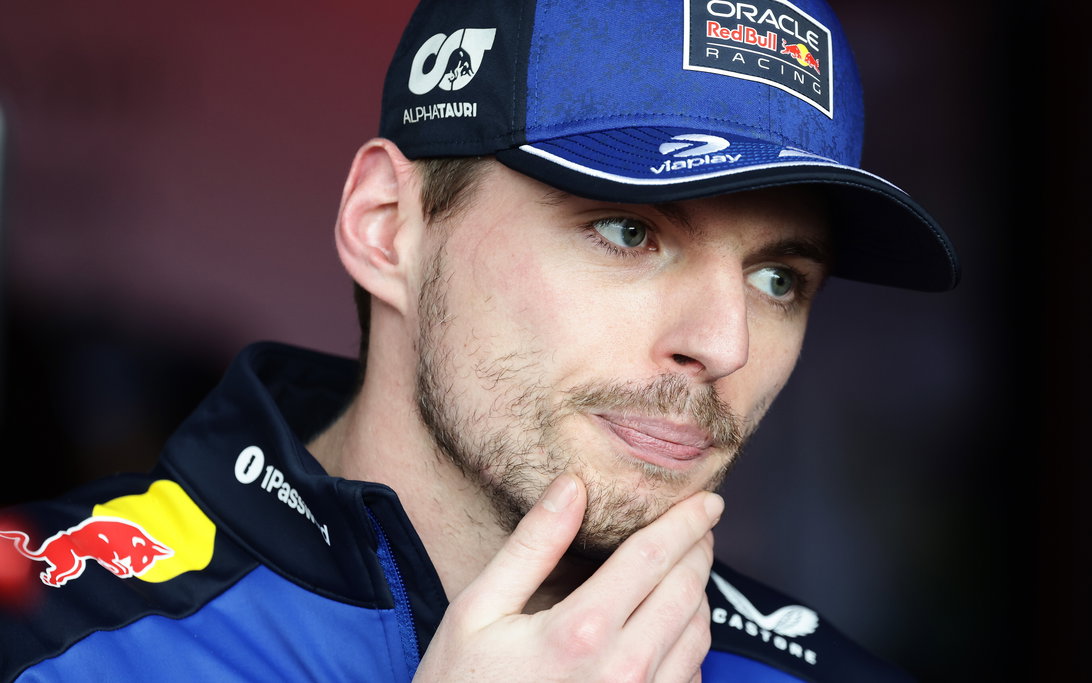
Max Verstappen has deepened speculation about leaving F1, attributing it not to performance but to a loss of enjoyment with what he calls 'anti-driving' regulations. He contrasts his private happiness with the grind of the calendar, stating money is no longer a motivator, and his views find sympathy with other drivers like Lando Norris.