The Newey Gambit: Aston's Radical AMR26 Debuts Amidst the Real 2026 Power Struggle

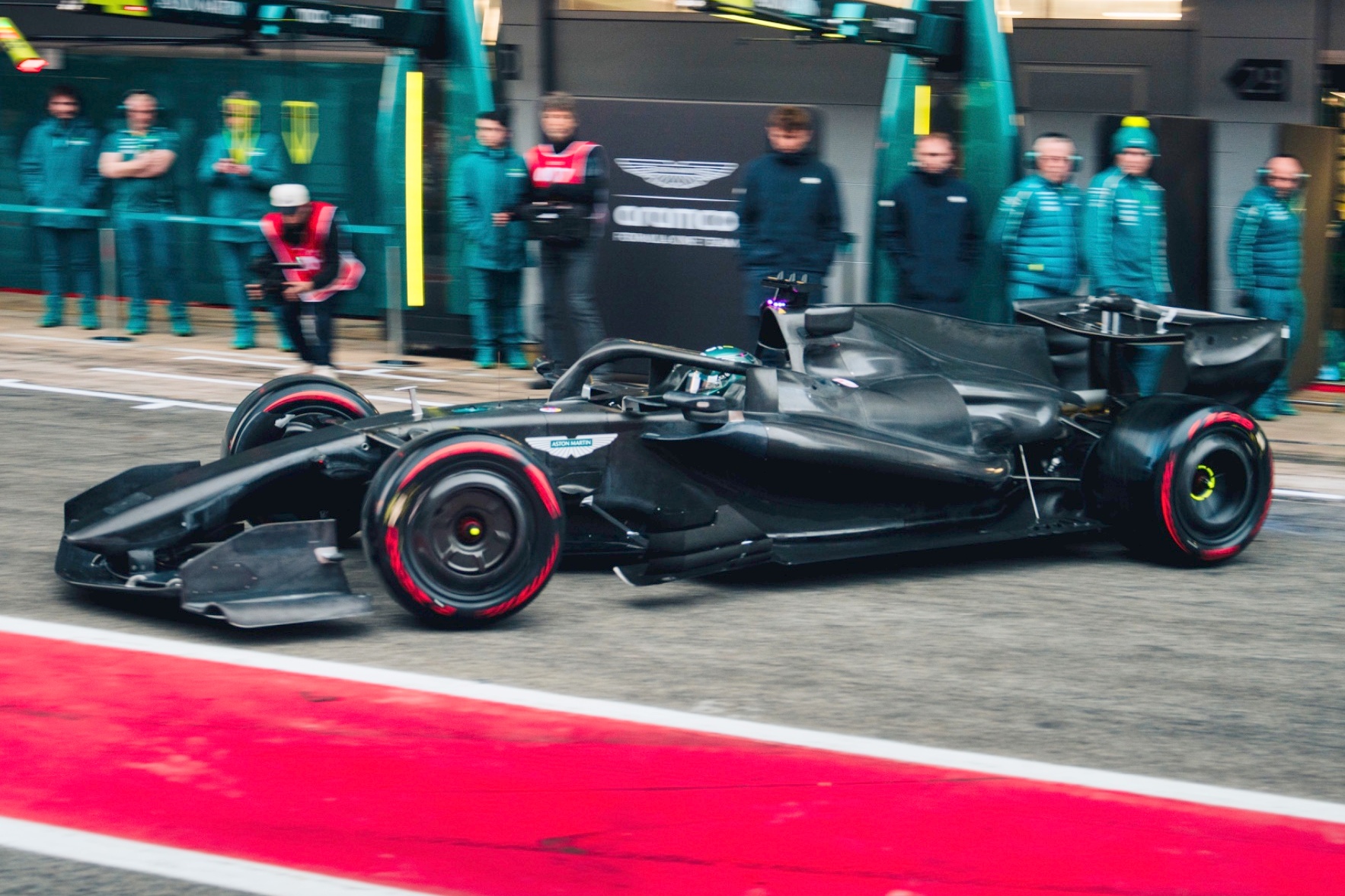
The late afternoon sun at Barcelona cast long, dramatic shadows, a fitting backdrop for a reveal that felt less like a car launch and more like a declaration of war. As the Aston Martin AMR26, Adrian Newey's first true child with his new employer, finally broke cover with only an hour left on the final test day, the air wasn't just filled with the scent of hot brakes and ambition. It was thick with the palpable tension of a political realignment. Forget the mechanical gremlin that stopped it after five laps. The real story is that the most potent weapon in Formula 1's cold war has just been uncrated, and the battlefield is about to get very, very messy.
The Car as a Chess Piece: Newey's Philosophy and the Coming Exploitation
Let's be clear: the AMR26 is not just a car. It is a meticulously crafted argument. Its radical silhouette—the extreme undercut sidepods, the high-mounted airbox, the suspiciously narrow engine cover—is Newey's opening statement in the 2026 regulatory debate. He isn't just interpreting the rules; he's probing their very fabric for weaknesses, much like his old rival Rory Byrne did in eras past. The design screams a singular focus: aerodynamic efficiency at all costs to maximize the tricky new power units.
"The suspension isn't just for handling; it's a land grab for aerodynamic territory. Every component is a double agent, serving a mechanical purpose while conducting espionage on the airflow."
But here is where my sources in the financial trenches raise an eyebrow. This radical, integrated approach is hideously expensive to develop. Which brings us to the open secret everyone is whispering about: the budget cap. Aston Martin, backed by Lawrence Stroll's bottomless ambition and a consortium of wealthy private investors, is positioning itself perfectly for the next phase of F1's financial arms race. They, along with teams like Alpine, are building structures designed not just to comply with the cap, but to exploit its gray areas through intellectual property holding companies and "non-F1" technology projects. The manufacturer teams—Mercedes, Ferrari, even Red Bull with their Ford partnership—are shackled by corporate bureaucracy and shareholder scrutiny. By 2028, I predict the podium will be dominated not by corporate giants, but by agile, politically-savvy privateers who treated the cap not as a limit, but as a playbook.
The Human Fracture Lines: Where the AMR26 Will Truly Succeed or Fail
Don't miss the next lap
Get the deep dives and technical analysis from the world of F1 delivered to your inbox twice a week.
Zero spam. Only high-octane analysis. Unsubscribe anytime.
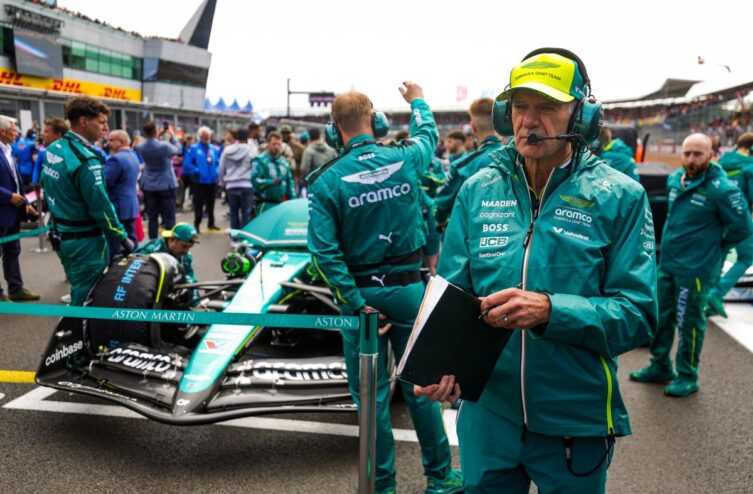
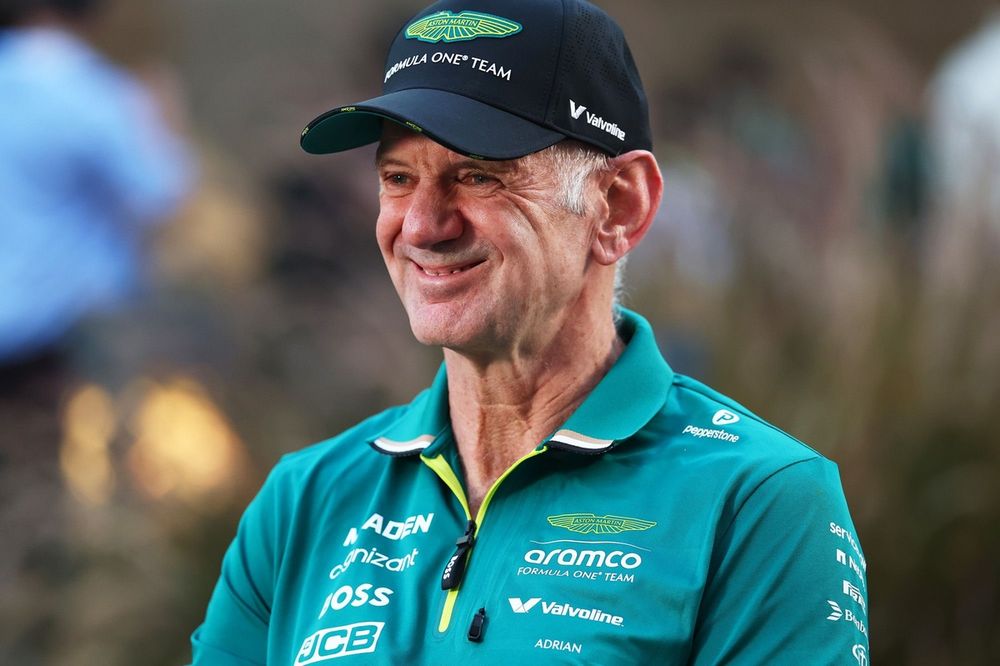
All the aerodynamic genius in the world cannot fix a fractured team. And this is where Aston Martin's gamble becomes truly fascinating. The article states the car is under the "dual leadership" of Newey as technical chief and team principal. This is a disaster in the making, a consolidation of power that history tells us breeds resentment in the shadows. I'm reminded of the 1994 Benetton saga, where technical brilliance under Tom Walkinshaw and Ross Brawn was almost undone by the cloud of suspicion over the team's operations and the palpable tension within its garage. A single visionary with unchecked power creates blind spots.
Now, place this car in the hands of Lance Stroll and Fernando Alonso. One is the owner's son, whose seat is as secure as a throne. The other is a 44-year-old legend with a mercenary's focus, who did not come back to F1 to play second fiddle to a flawed machine or team politics. If this car is a winner, Alonso will harness it with cold fury. If it is a diva, or if Stroll is given preferential strategy, the resulting morale collapse will neuter its performance faster than any reliability issue. This interpersonal dynamic is the true championship decider.
Which brings me to Hamilton at Ferrari. His move is the perfect counter-example to Aston's potential. He is a monumental talent entering a culture that views his activist persona as a distracting brand risk. Maranello is a hall of whispers and tradition. The clash won't be on the stopwatch; it will be in the executive suites and the motorhome, where Enzo's ghost frowns upon anything that distracts from the Scuderia. His 2025 will be a masterclass in frustration, proving that the right driver in the wrong political climate is a recipe for failure.
Conclusion: The Brief Run That Said Everything
So, the AMR26 stopped after five laps on January 29th. A minor footnote? Hardly. Its brief appearance was a perfect metaphor for the 2026 season to come: a stunning flash of technical bravado, immediately complicated by operational fragility and overshadowed by the immense human and financial pressures surrounding it.
The rival engineers scrubbing every pixel of its photos aren't just looking for aerodynamic secrets. They're looking for proof of concept—and for signs of overreach. Newey has thrown the first stone. The reliability fix is a short-term problem. The long-term war will be fought on three fronts: the wind tunnel, the cost cap accountants' spreadsheets, and the delicate, fractious hearts of the people tasked to make it all work. Bet on the team that masters the third element, because in modern F1, morale is the ultimate performance part. Aston Martin has the brain. Now we wait to see if it has the soul.
Join the inner circle
Get the deep dives and technical analysis from the world of F1 delivered to your inbox twice a week.
Zero spam. Only high-octane analysis. Unsubscribe anytime.