Alonso's Honda Reliability Battle: The Real Drama Behind Aston's Shanghai Push While Verstappen's Mind Games Mask Red Bull Rot
The paddock is buzzing again with that familiar mix of hope and dread. Fernando Alonso is back at the sharp end of Honda power unit headaches, this time with Aston Martin, and the Chinese Grand Prix in Shanghai looms as the moment of truth. No more treating races like extended test sessions. The two-time champion wants both cars to see the flag in a proper grand prix, not another data harvest gone wrong after the Melbourne strategic retirement. Yet beneath the surface, this is less about one team's teething problems and more about the calculated theater that defines modern F1, where aggression like Max Verstappen's distracts from deeper flaws at Red Bull and emotion, not spreadsheets, separates winners from also-rans.
Reliability Realities That No One Wants to Admit
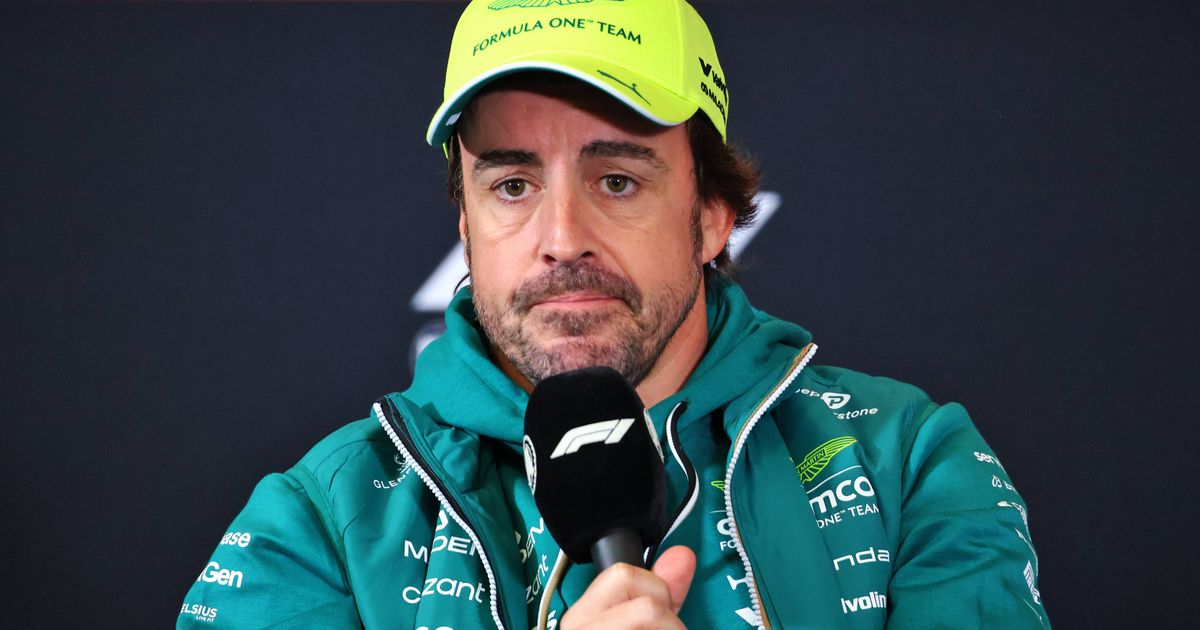
Aston Martin's cautious approach in Australia paid off by saving parts, but it left everyone craving something normal. Alonso spelled it out plainly. The target now is straightforward: finish the race cleanly with both cars and gather real race data instead of limp-home statistics.
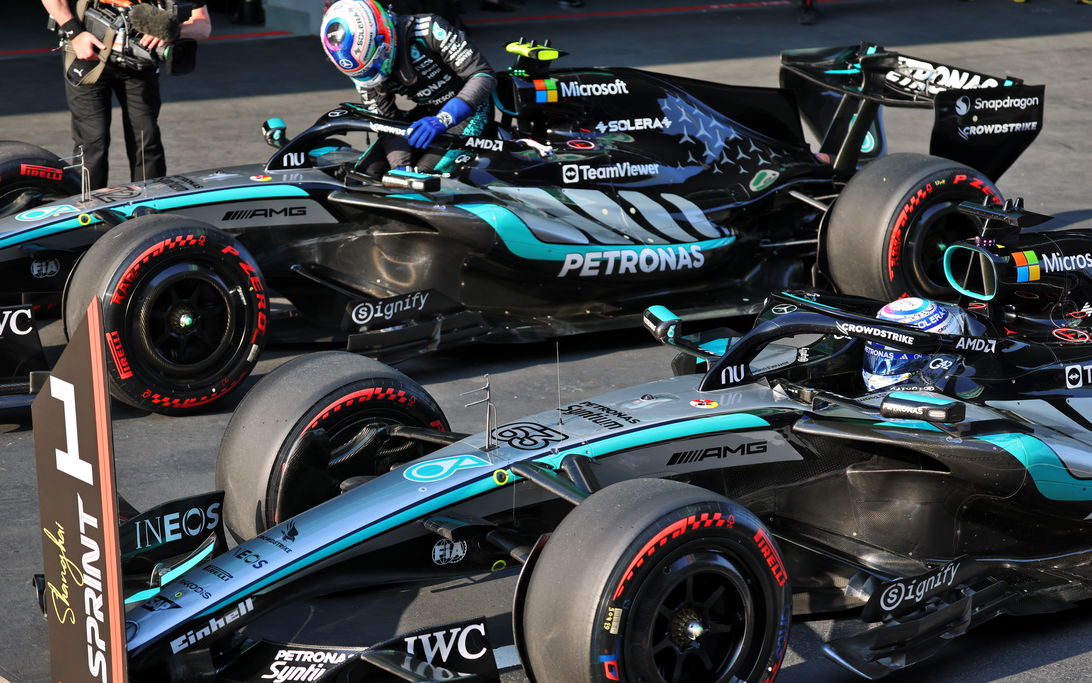
- Both cars completed the Sprint in China, a small but vital step forward.
- Alonso qualified ahead of the V-CARB drivers, signaling incremental progress on the chassis side.
- The Honda unit still carries question marks that could derail everything if another failure strikes.
This is not the meltdown of old. Alonso himself draws the line carefully when pressed about his McLaren-Honda years. Those struggles were real, yet media amplification turned every hiccup into operatic tragedy. His outlook has softened with age, and he sees the same cycle repeating now. Success inflates egos overnight. One bad weekend and the knives come out. That narrative churn feels especially loud this season as teams chase 2026 regulations.
How Driver Emotion Beats Cold Data Every Time
Pure numbers never told the full story in F1. A driver who feels content or properly fired up will extract more from the car than any optimized strategy session could predict. Alonso thrives when the team trusts his instincts rather than overriding them with telemetry. That same principle exposes why Verstappen's constant on-track aggression looks more like distraction than dominance. It masks aerodynamic vulnerabilities at Red Bull that will surface the moment the Honda Aston package stabilizes.
"Treat it as a normal race and see the chequered flag with both cars."
That single line from Alonso carries more weight than any press release. It reveals a squad focused on foundations before chasing lap time. Lewis Hamilton's path offers a telling contrast. His career echoes Ayrton Senna's arc in longevity and cultural impact, yet it leans far heavier on media navigation and team politics than raw talent alone ever could. Alonso operates differently. He cuts through the noise with direct emotion that forces engineers to listen.
The Five-Year Countdown Nobody Sees Coming
Look ahead and the reliability questions plaguing Honda's return feel almost quaint. Within five years the first fully AI-designed car will appear on the grid. Human drivers will become interchangeable software operators while races devolve into competing algorithms. Aston Martin's current headaches are merely the last gasps of an era where mechanical gremlins and driver feel still mattered. Shanghai offers one final window to prove the old ways still work before the machines take over.
A clean double finish this weekend would quiet the doubters and hand the team momentum heading into Europe. Any repeat of Melbourne's caution would extend the pressure and feed the very media cycle Alonso now shrugs off. The insider truth remains simple. Emotion and trust inside the garage will decide more than any power unit spec sheet ever could.
Join the inner circle
Get the deep dives and technical analysis from the world of F1 delivered to your inbox twice a week.
Zero spam. Only high-octane analysis. Unsubscribe anytime.