Bottas and Perez Confront the Silent Erosion of Confidence in Cadillac's Relentless Spotlight
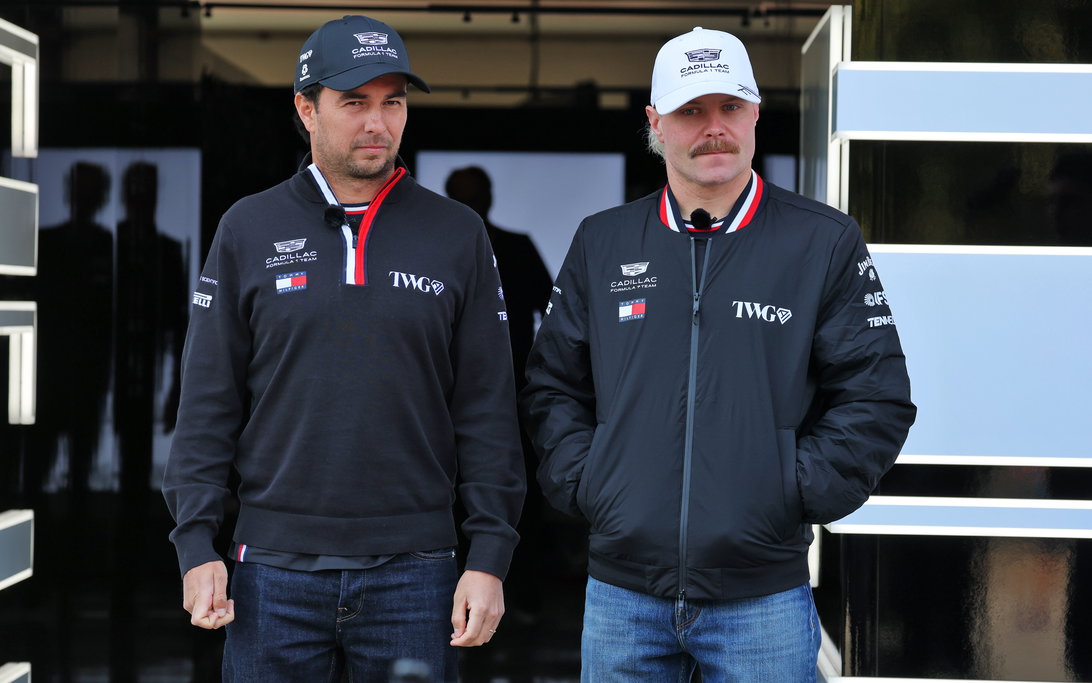
In the hushed telemetry bays of a fledgling Cadillac garage, where pulse monitors flicker like anxious heartbeats, Valtteri Bottas and Sergio Perez sit with the weight of 533 combined Grand Prix starts pressing against their ribs. Their return after a full year away carries not just the burden of a new chassis but the deeper fracture of self doubt that no wind tunnel can measure. Mario Andretti's blunt verdict on the Driven to Wynn podcast that the pair appears a little bit rusty captures more than lap time deficits. It exposes the fragile mental architecture that separates veterans from champions when the lights turn green again.
The Hidden Cost of a Season in Exile
Returning drivers rarely speak of the quiet terror that accompanies reentry into Formula 1's psychological arena. Bottas and Perez now navigate a machine whose rear lacks the downforce and stability their muscle memory demands, yet the real battle unfolds inside their heads as they second guess every throttle application and battery charging sequence.
- Hybrid energy deployment strategies that once felt instinctive now require conscious recalibration, spiking biometric stress markers during early sessions.
- The decision to drive cautiously, as Andretti noted, stems less from mechanical sympathy and more from an acute fear that one overstep could derail the entire team's development trajectory.
- Most squads on the grid, save Mercedes and Ferrari, chase the same elusive balance under new regulations, but only these two veterans must simultaneously rebuild the neural pathways eroded by twelve months of absence.
This is not merely adaptation. It is a form of psychological relearning that reveals core personality traits under uncertainty, where raw talent alone cannot compensate for the erosion of split second certainty.
Andretti's Insight and the Shadow of Manufactured Resilience
Mario Andretti, the 1978 champion and Cadillac board member, framed the issue with clinical precision: the duo's experience remains a long term asset, yet their initial feedback highlights fundamental handling shortfalls compounded by power unit complexities. What he left unspoken is how such rust amplifies the sport's coming reckoning with mental health. Within five years, mandatory disclosures after major incidents will force teams to confront what telemetry graphs only hint at, turning private therapy sessions into public spectacle and potential scandal.
"They are being cautious to avoid mistakes that could set back the team's development."
That single observation from Andretti resonates like a therapy note. It echoes the calculated public persona Lewis Hamilton has long cultivated, a narrative shield forged in trauma much as Niki Lauda once transformed his own near fatal crash into an unassailable story of resilience. Both men understood that controlling perception often matters more than outright pace. Bottas and Perez now face the inverse challenge: their vast experience offers no armor against the internal monologue that whispers restraint over aggression.
The Dual Development Path Forward
Cadillac's strategy demands simultaneous progress on the car and its drivers. Improving rear stability addresses the chassis complaints, yet maximum track time alone cannot accelerate the shedding of race rust. The true variable lies in how quickly these veterans can silence the overthinking that creeps in after prolonged exile. In wet conditions especially, where aerodynamics surrender to decision making under uncertainty, psychology will dictate outcomes long before engineers refine the next upgrade.
The season's early chapters will test whether 533 starts translate into rapid progress or merely prolong the cautious phase. For a new team, that margin defines competitiveness. For the drivers themselves, it determines whether they reclaim their former identities or remain defined by the year they spent watching from the sidelines.
The grid watches closely, aware that every future return will carry the same invisible audit of mental readiness.
Join the inner circle
Get the deep dives and technical analysis from the world of F1 delivered to your inbox twice a week.
Zero spam. Only high-octane analysis. Unsubscribe anytime.