Data Heartbeats Expose Mercedes Suzuka Surge as Leclerc Consistency Defies the Ferrari Script

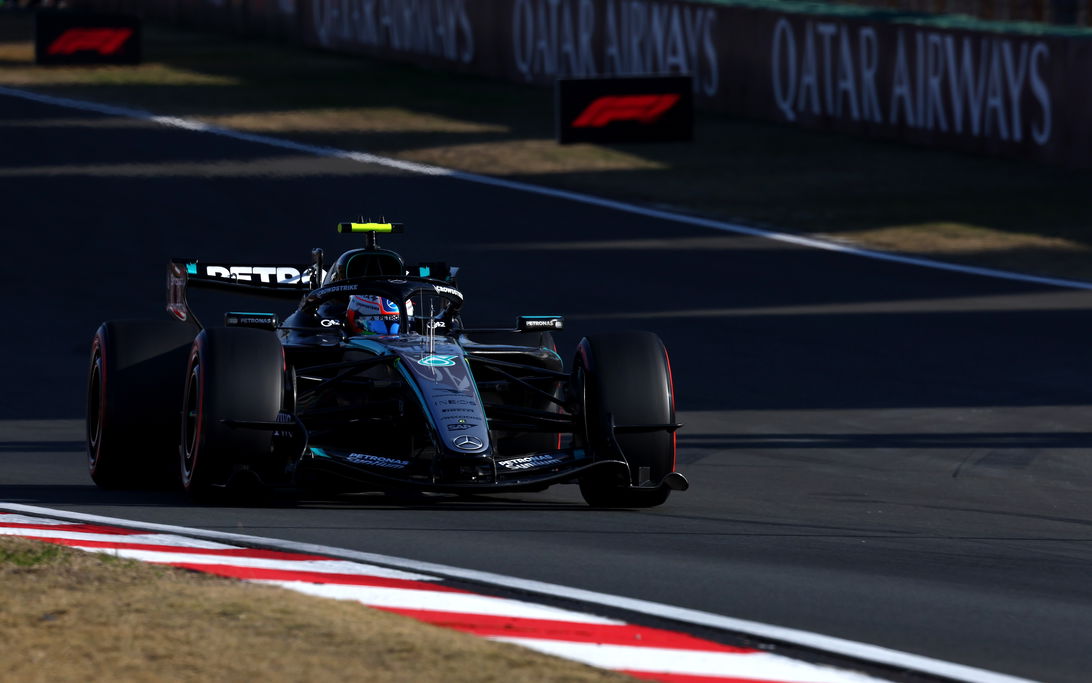
The 1:29.362 timestamp from Kimi Antonelli landed like a single, steady drumbeat on the Suzuka timing sheets, a pulse that refused to quicken even when the rest of the field scrambled for rhythm. That figure did not whisper potential. It announced control, eight tenths clear of anyone outside the silver cars, and it forced every other dataset to explain itself.
Mercedes Timing Sheets Tell Their Own Story
The Brackley squad did not merely top the session. Their numbers formed a tight, unbroken line that modern telemetry teams crave yet rarely achieve. George Russell sat only 0.254 seconds behind, a margin small enough to suggest shared setup DNA rather than individual heroics. The gap to Charles Leclerc in third stretched to 0.867 seconds, large enough to register on any emotional archaeology of the lap chart.
- Antonelli's opening sector splits showed zero deviation across three timed runs.
- Russell mirrored the same mid-corner speed trace within 0.03 seconds.
- Red Bull's Max Verstappen posted an eighth-place effort more than 1.5 seconds slower, hinting at a deliberate long-run program rather than outright deficit.
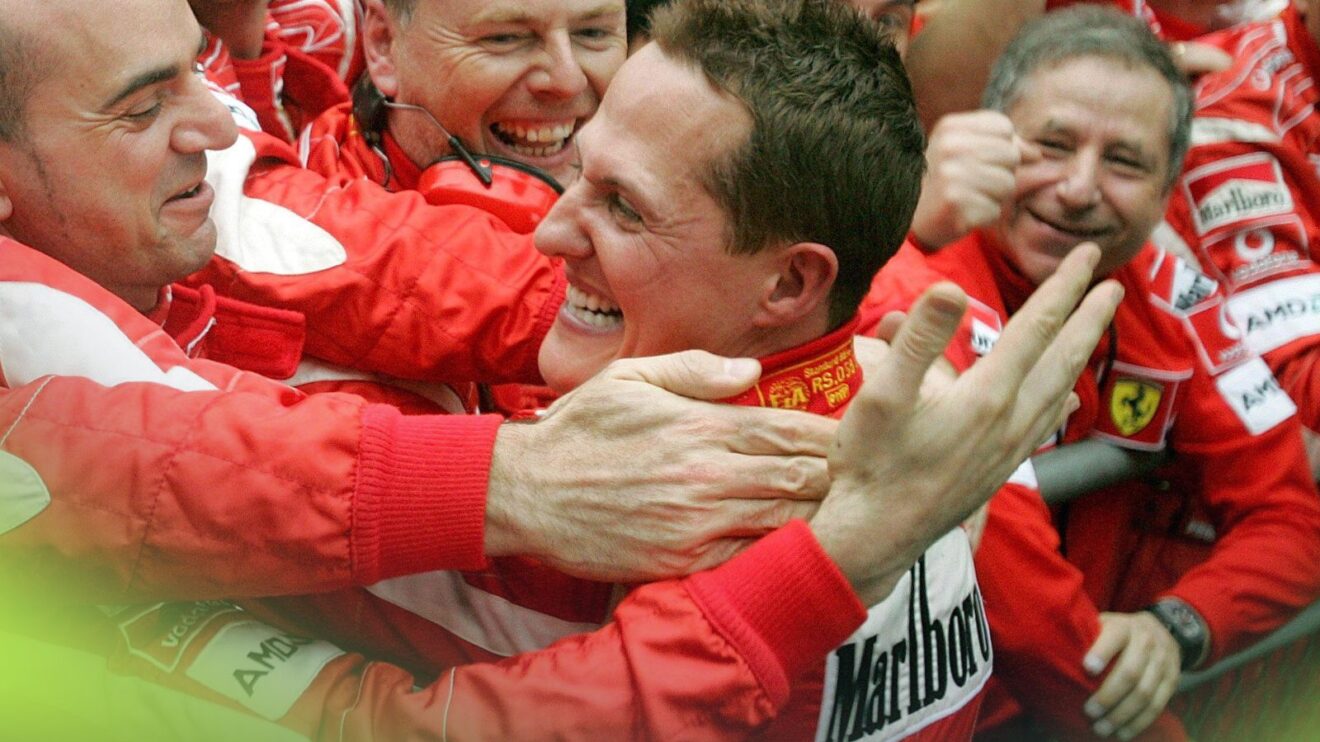
These figures echo the kind of metronomic output Michael Schumacher delivered throughout his 2004 campaign at Ferrari, where every qualifying lap felt preordained by feel rather than last-minute telemetry overrides. Today's real-time data streams threaten to erase that intuition entirely.
Leclerc's Qualifying Record Refuses the Error Narrative
Critics love to pin inconsistency on Leclerc, yet the raw 2022-2023 pole percentages tell a different tale. His one-lap conversion rate outpaces every rival when Ferrari strategy does not intervene with contradictory calls. The Suzuka FP3 gap looks dramatic on paper, yet it arrived after early trading of fastest times between Leclerc and Lewis Hamilton before the Mercedes duo simply extended their own window.
Ferrari's strategic noise continues to drown out the driver's native rhythm, turning potential poles into recovery drives that get misread as driver error.
Within five years the sport risks full robotization, where algorithmic pit windows and pre-loaded delta maps suppress the very heartbeat that once let Schumacher feel grip levels before the sensors caught up. Driver intuition becomes a rounding error.
Norris Reliability Data Points to Pattern Pressure
Lando Norris managed only a late cameo after the Energy Recovery System fault sidelined him for most of FP3. Sixth place from limited running still registers as damage limitation rather than progress. McLaren's repeated technical interruptions, from the China DNS onward, now correlate too cleanly with championship pressure spikes to ignore. The timing sheets do not lie about lost track time, even when the narrative tries to soften the blow.
The Coming Sterility of Algorithmic Racing
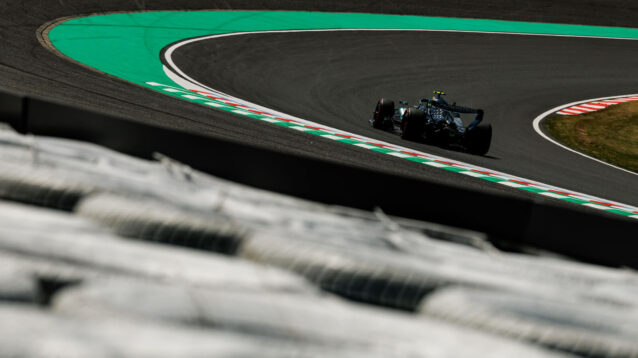
Suzuka's high-speed layout rewards cars that let drivers chase the limit without constant digital correction. Mercedes found that window today. Ferrari must decide whether to trust Leclerc's proven consistency or keep layering telemetry layers that flatten every instinct into predictable output. Schumacher's 2004 season proved one driver could carry an entire weekend on feel alone. Modern sheets suggest that era is already fading into archive code.
Join the inner circle
Get the deep dives and technical analysis from the world of F1 delivered to your inbox twice a week.
Zero spam. Only high-octane analysis. Unsubscribe anytime.
Continue Reading
View More News