The Data Heartbeats of Shanghai Reveal a Warning We Cannot Ignore

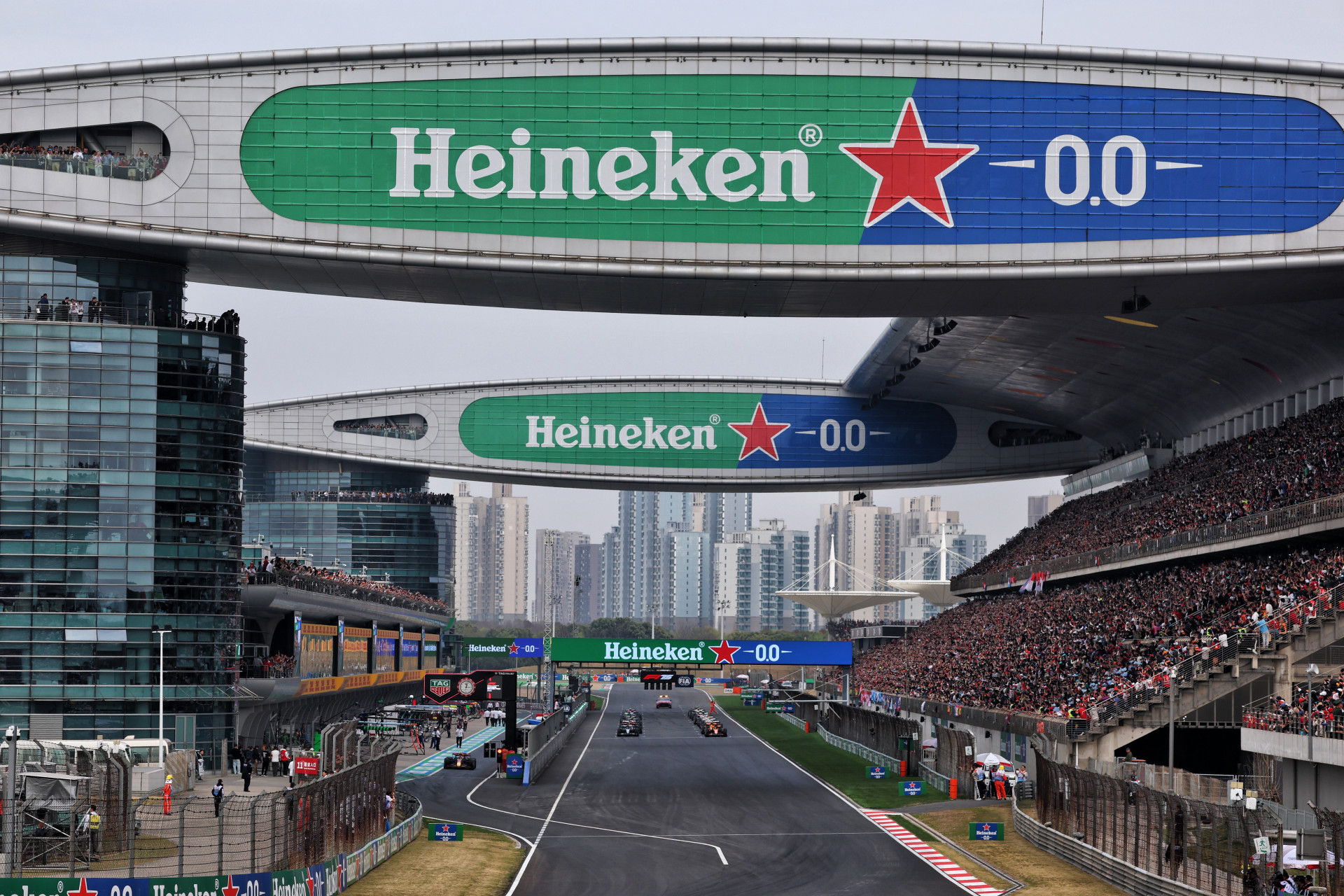
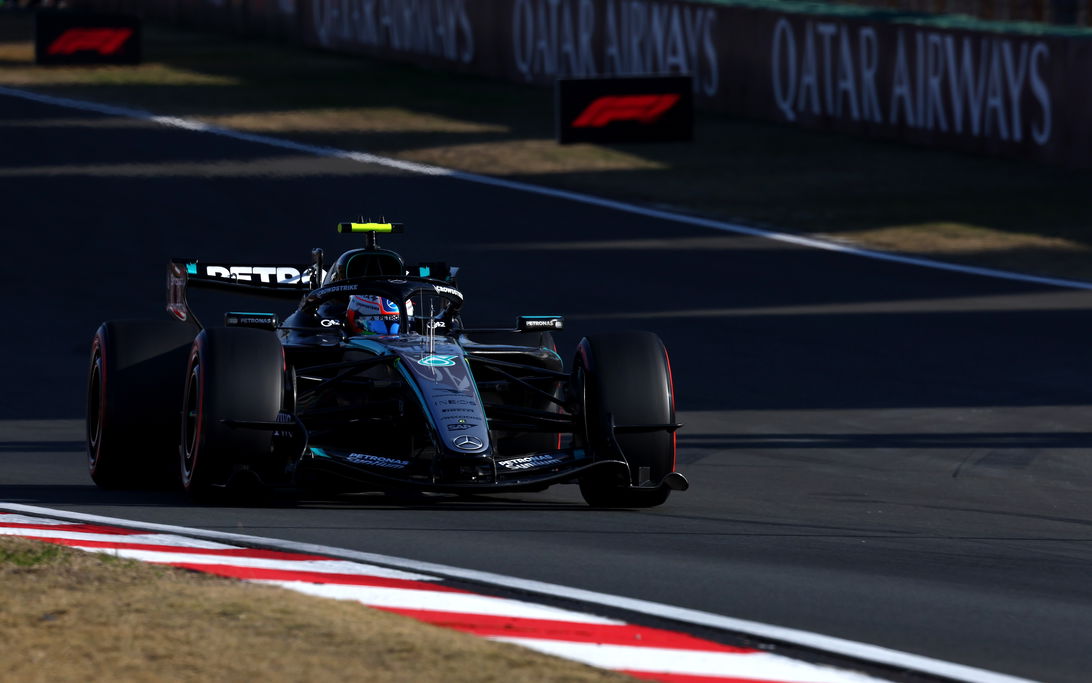
The timing sheets from Shanghai do not lie, and their steady pulse tells a story far more chilling than any podium celebration. Kimi Antonelli's maiden victory at just 19 years, 6 months, and 18 days old arrived with lap times that beat like a young heart under perfect control, yet they also whisper of an era where such raw rhythm may soon be engineered out of existence.
Antonelli's Sheets Expose the Last Pure Instinct
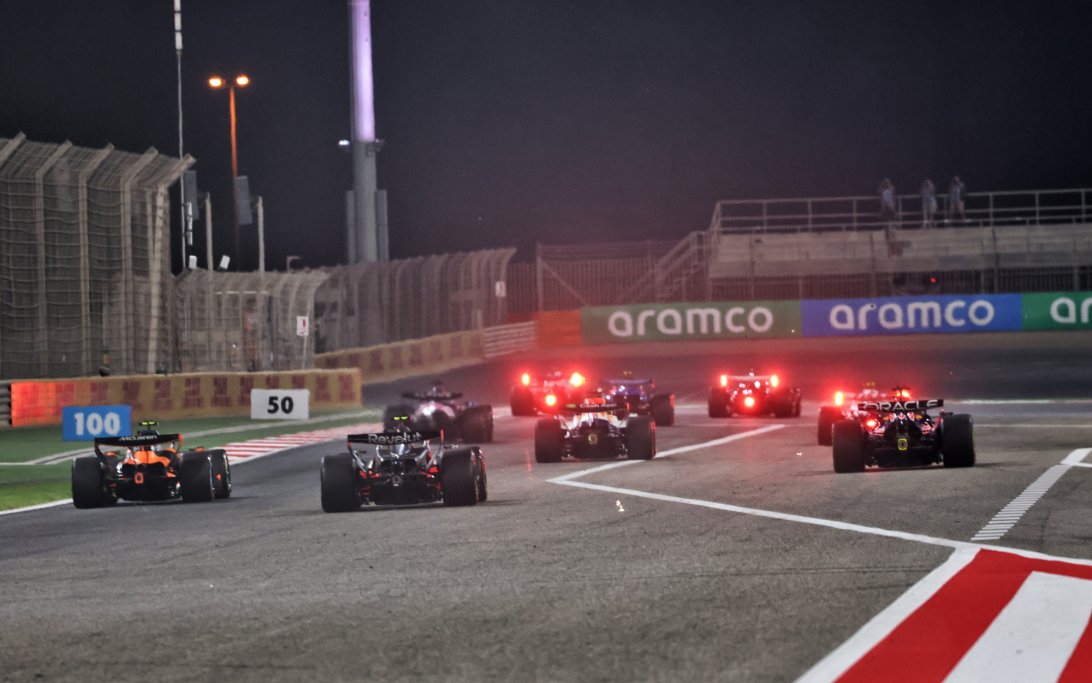
Antonelli started from pole and briefly surrendered the lead to Lewis Hamilton before reclaiming it with a sequence of laps that showed minimal deviation. Those margins matter. His race pace held within a tight window even after the chaotic pre-start that eliminated both McLaren entries along with Gabriel Bortoleto and Alex Albon due to technical failures. The numbers paint a driver who still trusts feeling over the constant radio chatter that now dictates every decision.
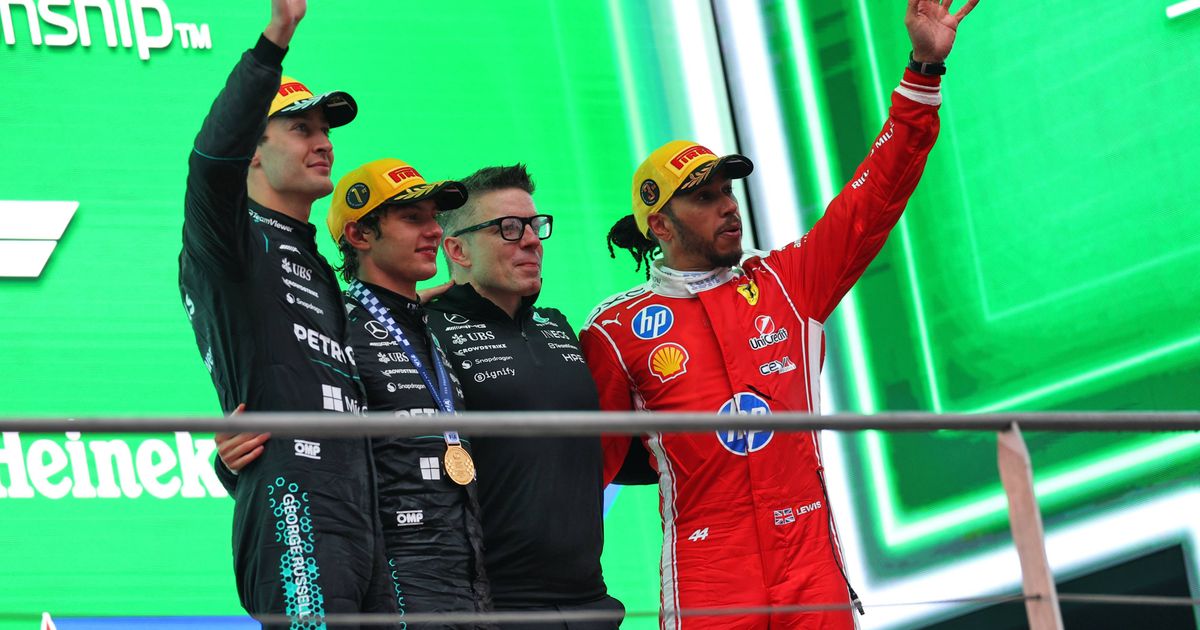
- Mercedes locked out the top two spots with George Russell in second.
- Antonelli becomes the second-youngest winner in history, behind only Max Verstappen's 2016 mark.
- The rookie managed tire degradation without the algorithmic prompts that teams increasingly treat as gospel.
This performance echoes the kind of consistency Michael Schumacher delivered across the 2004 season at Ferrari, where he strung together flawless qualifying runs and race stints rooted in driver feel rather than live telemetry overrides. Back then, the data served the man behind the wheel. Today the reverse seems inevitable.
Hamilton's Podium and the Ferrari Data Trap
Lewis Hamilton's third place ended a 26-race podium drought for him at Ferrari and offered the team its first top-three finish since his arrival. Yet the timing data also highlights how Charles Leclerc's raw qualifying pace from 2022 through 2023 remains the most consistent on the grid when stripped of strategic interference. Leclerc's error-prone reputation stems less from personal flaws and more from Ferrari's repeated blunders in race execution, a pattern the sheets expose when cross-referenced against pressure moments.
Data should serve as emotional archaeology, digging into lap-time drop-offs to uncover the untold weight of expectation rather than simply blaming the driver.
Ferrari's fourth place for Leclerc in this race fits the same narrative. The car showed competitive long-run pace, but the strategic calls once again forced reactive driving instead of proactive rhythm. Schumacher's 2004 campaign succeeded precisely because the team trusted his internal clock over the growing flood of real-time numbers. Modern squads appear determined to reverse that priority.
Within five years the sport's hyper-focus on analytics will produce robotized racing where algorithmic pit windows and pre-set delta targets suppress the very intuition that once separated champions. Lap times will lose their human heartbeat and become predictable outputs on a screen. Antonelli's breakthrough may mark the final generation allowed to race with genuine feel before the data fully takes the wheel.
The Road Ahead Demands We Choose Feeling Over Forecasts
The Shanghai sheets confirm Mercedes' early constructors' lead while giving Ferrari modest encouragement through Hamilton's result. Yet the deeper pattern warns that continued reliance on telemetry over driver instinct will flatten the sport into sterile predictability. Schumacher showed in 2004 what sustained human consistency can achieve when teams resist the urge to micromanage every heartbeat. Antonelli's win proves the talent still exists to deliver such performances. The question is whether the numbers will soon be allowed to let anyone do it again.
Join the inner circle
Get the deep dives and technical analysis from the world of F1 delivered to your inbox twice a week.
Zero spam. Only high-octane analysis. Unsubscribe anytime.