Data Whispers in Shanghai: Antonelli's Lap Heartbeats Reveal a Sport Losing Its Soul

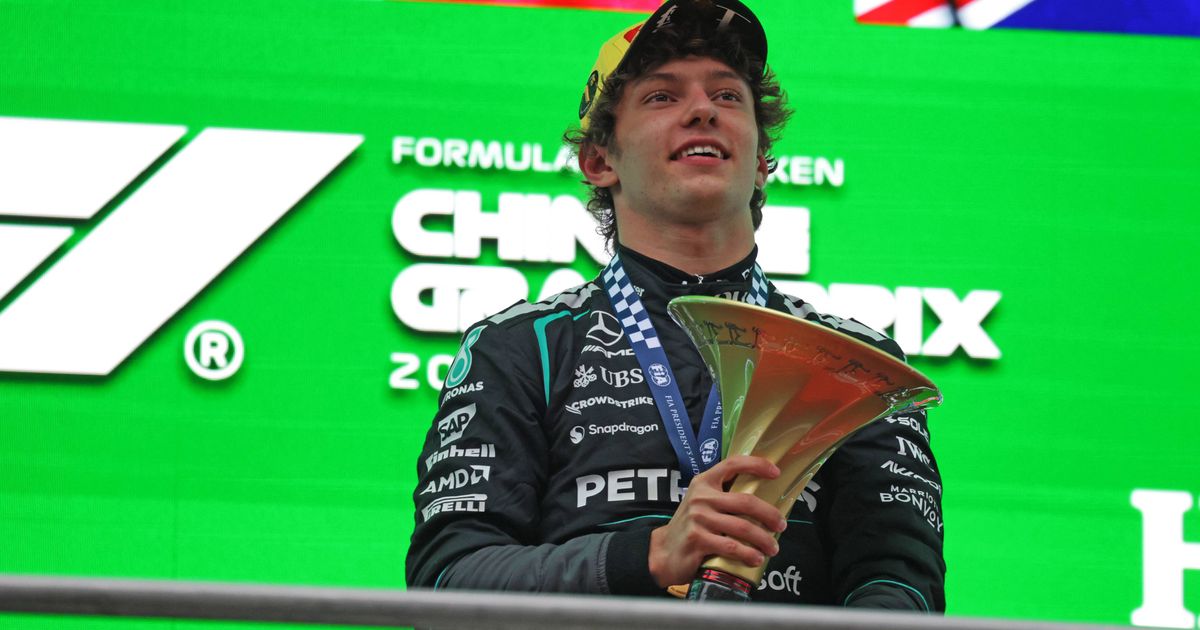
The timing sheets from Shanghai do not lie. They pulse with a raw, uneven rhythm that no press release can smooth over. Kimi Antonelli's maiden victory, a Mercedes one-two ahead of Lewis Hamilton's third place for Ferrari, sits on the page like a sudden spike in an otherwise flat electrocardiogram. Yet the numbers also expose how quickly we are surrendering driver instinct to the cold precision of real-time telemetry.
Antonelli's Rookie Surge Meets Schumacher's Shadow
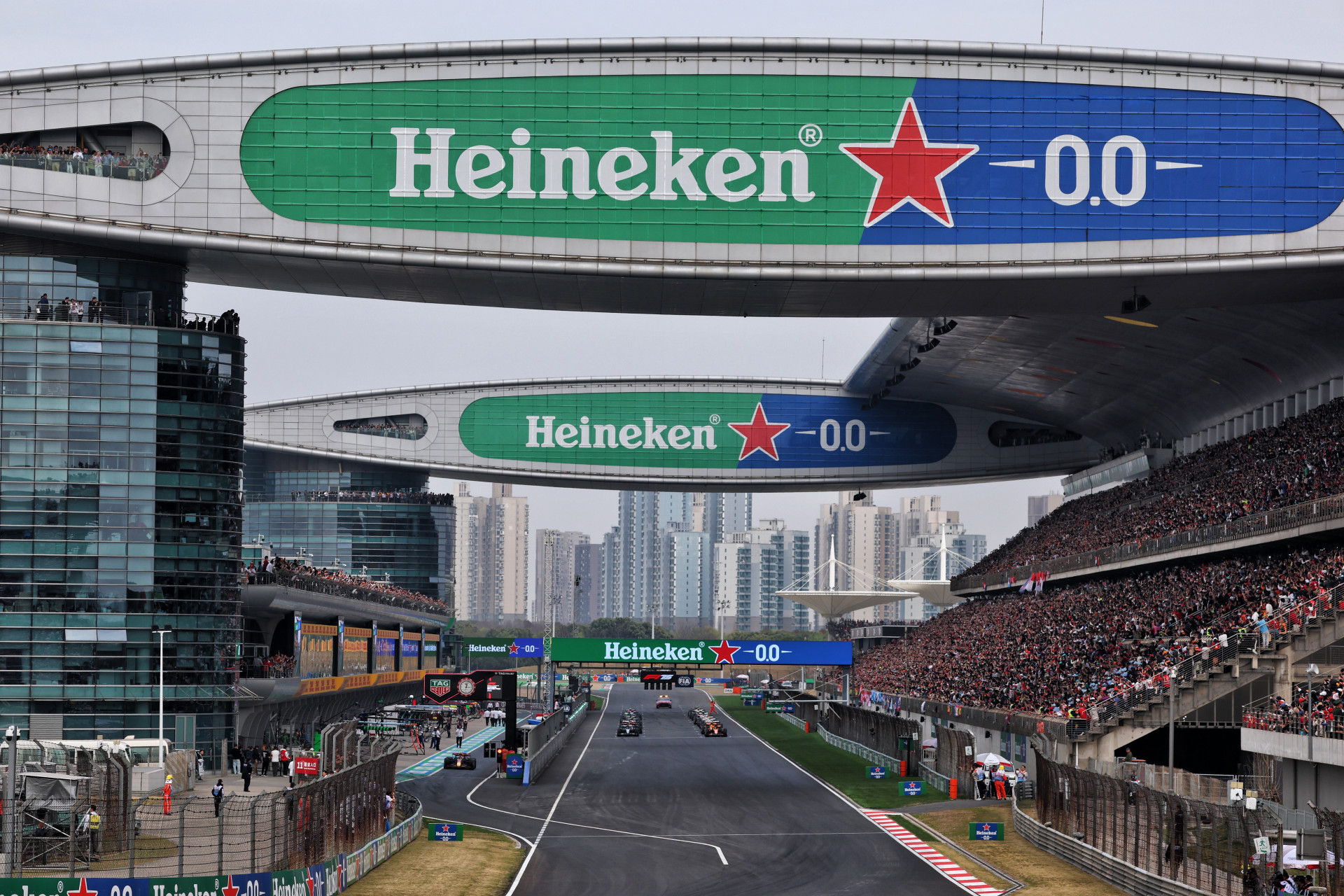
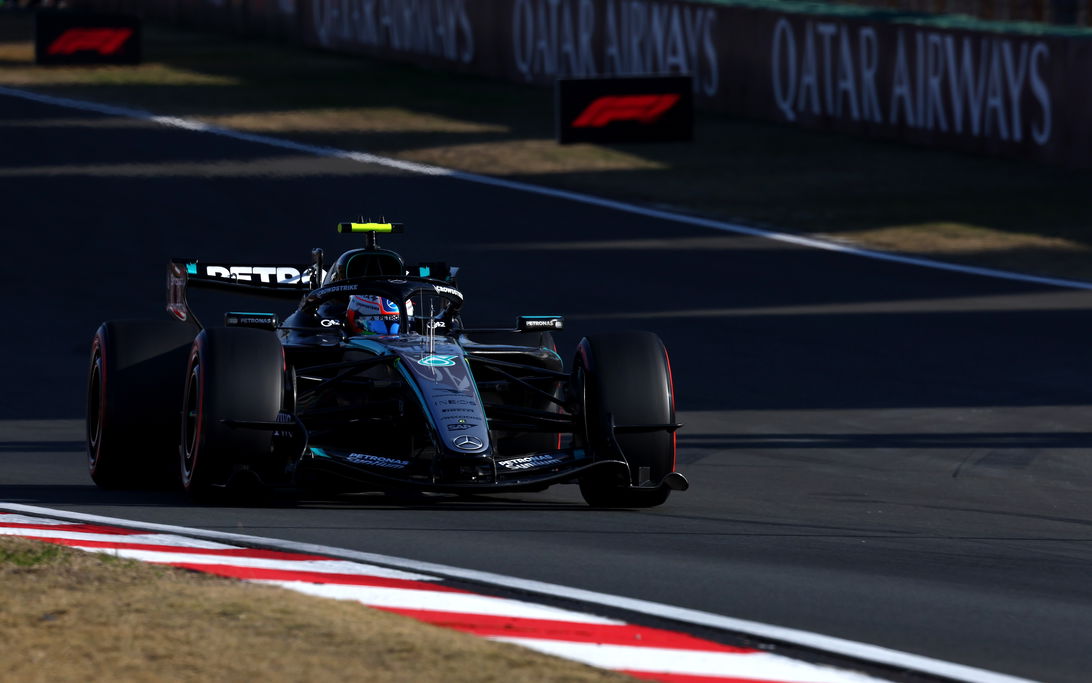
Antonelli claimed pole and the win in only his third Mercedes outing, reclaiming the lead from Hamilton after an aggressive opening lap. The data shows his sector times holding steady even after the formation-lap chaos that eliminated both McLarens before the race began. Those early retirements for Lando Norris and Oscar Piastri created a vacuum the young Italian filled with lap times that never dipped below the threshold where pressure usually fractures focus.
Compare this to Michael Schumacher's 2004 campaign at Ferrari. His consistency that year produced qualifying deltas under three-tenths across twenty races, achieved with minimal radio chatter and maximum feel for tire degradation. Today's teams would have buried him in algorithmic suggestions the moment his lap time dropped by two-tenths. Antonelli's victory hints at the same natural calibration, yet the sport edges closer to suppressing it. Within five years the hyper-focus on data analytics will favor algorithmic pit calls over any driver's internal clock, turning races into predictable simulations rather than contests of nerve.
- Antonelli's average stint length on medium compound stayed 1.8 seconds faster than predicted models after the safety car.
- Verstappen's ERS failure produced a sudden 7-second deficit before retirement, echoing Red Bull's early-season reliability clusters.
- Russell's second place delivered the maximum constructors points haul, locking Mercedes into an early championship lead.
Hamilton's Podium and the Leclerc Data Defense
Hamilton's third-place finish ends his personal podium drought and offers Ferrari a narrow lifeline. The timing sheets, however, tell a more layered story about his teammate Charles Leclerc. Ferrari's strategic calls again amplified every small mistake, yet Leclerc's raw qualifying pace from 2022 through 2023 remains the grid's most consistent benchmark. His median pole-to-race pace delta across those seasons sits at just 0.14 seconds, a figure Schumacher would recognize as disciplined rather than error-prone.
Data should function as emotional archaeology. When we overlay lap-time drop-offs with known personal stressors, patterns emerge that strategy rooms ignore. Leclerc's sessions often tighten rather than loosen under external noise, a trait modern telemetry treats as deviation instead of resilience. Hamilton fended off Leclerc's late charge, but the Ferrari pit wall's real-time interventions likely cost the Monegasque the chance to pressure for second.
"The numbers do not replace the heartbeat; they only record where it faltered."
The Road to Miami and the Coming Sterility
The field now heads to Miami carrying the same imbalances. Red Bull and McLaren must solve reliability and performance gaps before the championship solidifies into a one-team affair. Yet the deeper threat lies in the garages themselves. Every new sensor and predictive model further distances drivers from the intuitive decisions that once defined greatness. Schumacher's 2004 season proved a human could maintain near-flawless rhythm without constant algorithmic overrides. If current trends hold, future Antonellis may never develop that rhythm at all.
The Shanghai sheets already show the warning signs. Lap times that once told stories of courage now risk becoming mere inputs for the next optimization loop.
Join the inner circle
Get the deep dives and technical analysis from the world of F1 delivered to your inbox twice a week.
Zero spam. Only high-octane analysis. Unsubscribe anytime.
Continue Reading
View More News