Aston's Honda Rescue in Miami Exposes F1's Hidden Fractures
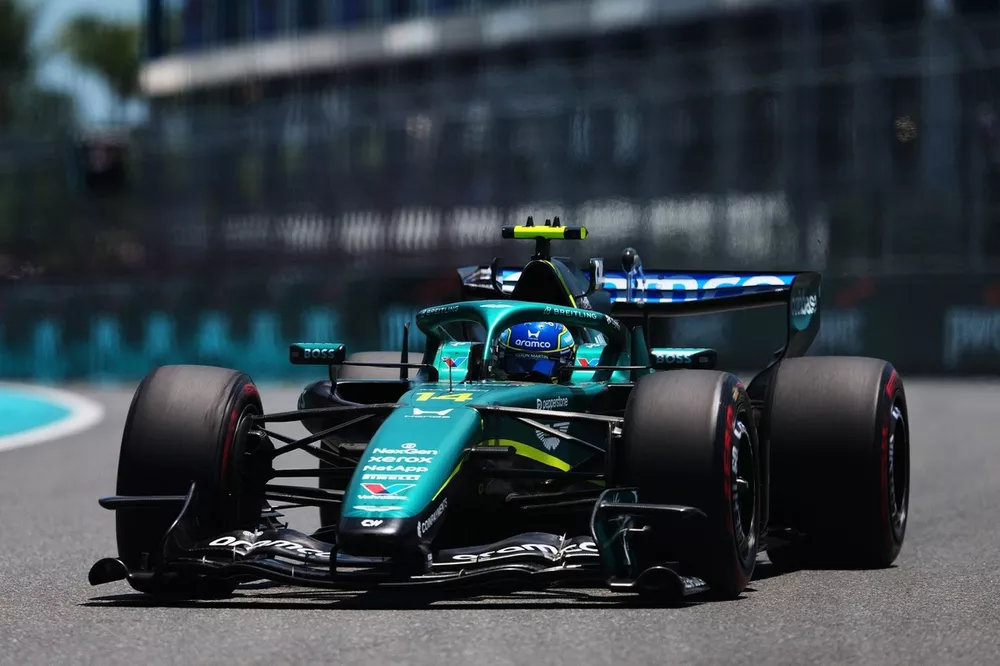
The Miami sun burned away the last traces of Aston Martin's early season torment, yet the real story whispers from the paddock shadows. After four retirements in three races, the AMR26 finally crossed the line twice without the battery shattering under Honda vibrations. But this fix is no triumph. It is a bandage on a deeper wound of team morale and strategic favoritism that keeps true pace locked away.
The Reliability Storm That Shook Japan and Beyond
Insiders in the Honda Racing Corporation garage recall the five-week break like a desert caravan halted by sandstorms. One AMR26 stayed behind in Japan for relentless dyno runs while engineers from both sides hunted the vibration root. The power unit shook so violently it crept into the chassis, numbing drivers and frying batteries alike.
- Fernando Alonso reported zero vibrations on race Sunday in Miami.
- Lance Stroll felt only reduced tremors, enough for both cars to complete full distance in sprint and grand prix.
- Early damage had forced four DNFs before the break, nearly ending the partnership before it began.
The countermeasures worked because both teams swallowed pride and shared data in secret sessions. Yet this cooperation reveals the mental edge that matters more than any aero tweak. When drivers trust the machine again, their resilience lifts the entire crew. Without that psychological lift, even perfect hardware fails.
Pace Remains the Silent Killer
Qualifying told the brutal truth. Alonso and Stroll lined up 18th and 19th, a full 1.2 seconds from Q2. A gearbox gremlin added random downshifts for Alonso, another reminder that small mechanical leaks echo like poetry of betrayal in the desert night. The team has frozen all upgrades until they find 1.5 to two seconds of pace. Alonso himself said it plainly: until that jump arrives, pressing the production button is pointless.
There is still a lot of room to improve on our power unit.
That line from HRC's Shintaro Orihara carries weight. It hints at performance still hidden, yet it also mirrors the media games F1 plays today. Like the 1994 Benetton squad that masked its secrets behind polished statements, modern teams hide their deficits until the data leaks anyway. Aston's pause on parts shows discipline, but it also exposes how morale dictates whether those gains ever reach the track.
The Coming Gulf Storm
Look five years ahead and the grid will fracture. Saudi Arabia and Qatar will plant new teams that redraw the European map, bringing fresh capital and ruthless focus on driver psychology over political favoritism. These entrants will expose outfits still clinging to old hierarchies, where one driver's strategy always trumps another's potential. Aston's current tail-end status is a warning. Fix the mind and the car follows. Ignore it and the Middle Eastern newcomers will leave everyone chasing shadows.
The Honda vibration cure has bought time, nothing more. Real pace demands the same resilience that turned a nightmare into two clean finishes in Miami. Without it, Aston stays anchored while the sport shifts under their feet.
Join the inner circle
Get the deep dives and technical analysis from the world of F1 delivered to your inbox twice a week.
Zero spam. Only high-octane analysis. Unsubscribe anytime.