Timing Sheets Never Lie: Newey's Data Hunt Exposes F1's Slide Toward Robotic Heartbeats

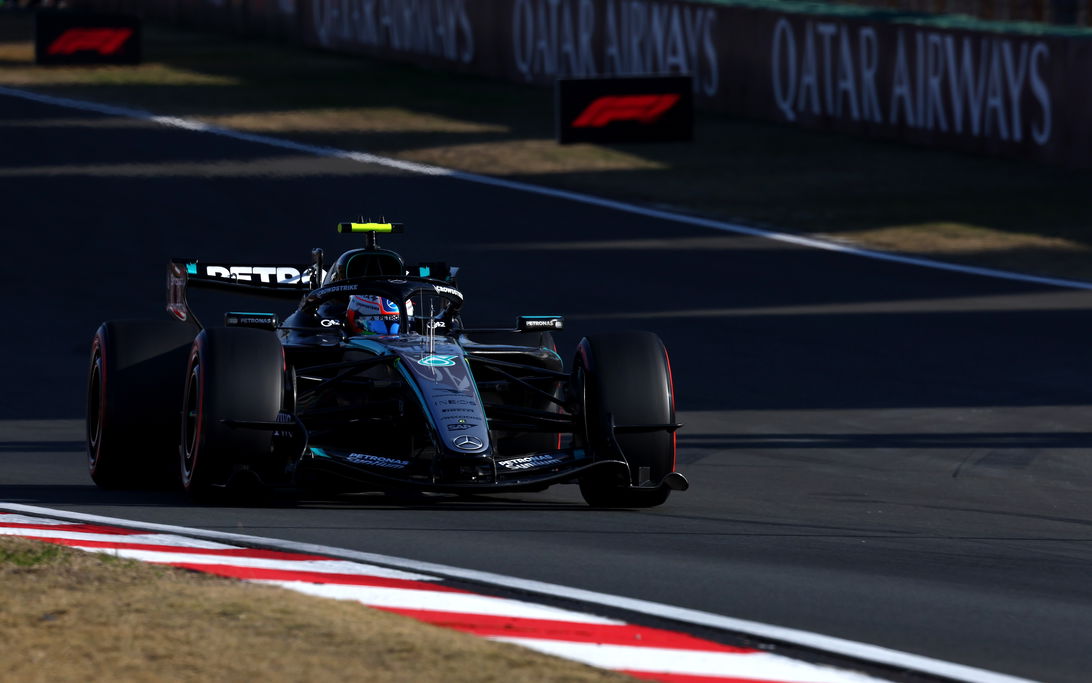
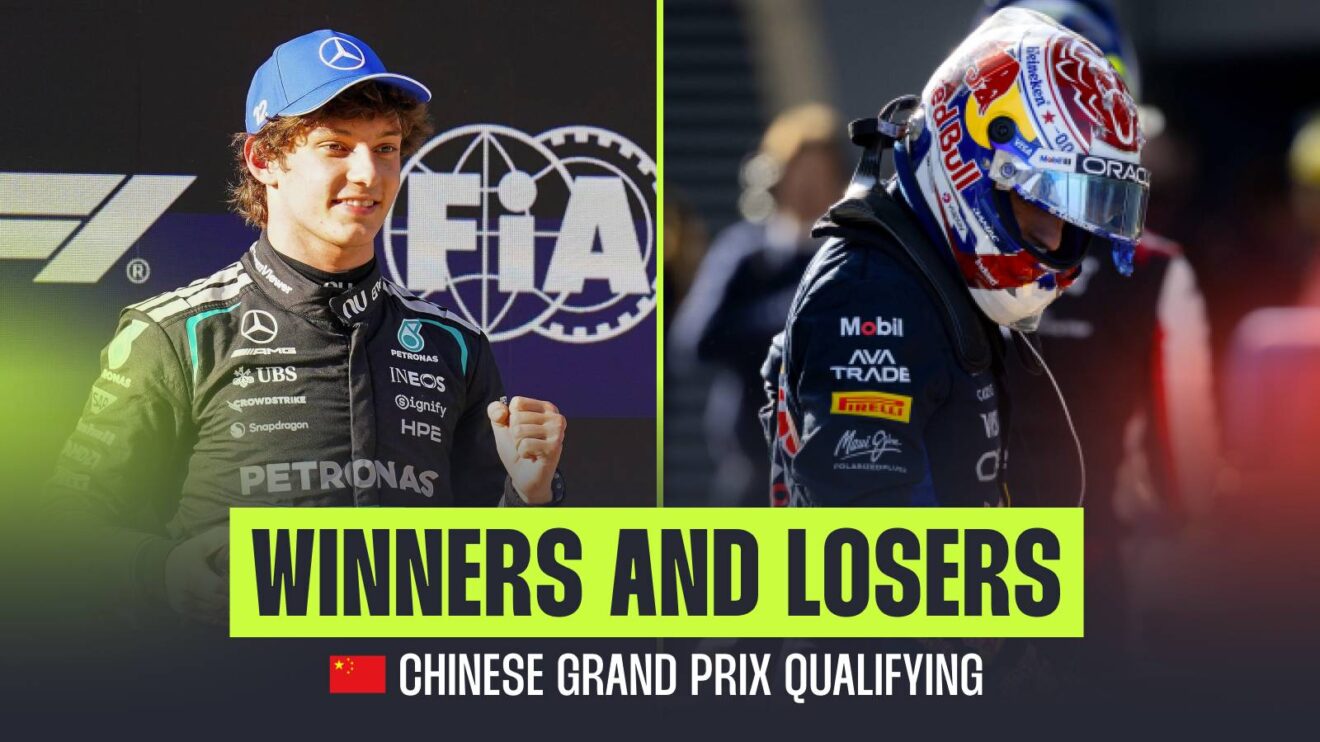
The numbers hit first, cold and unforgiving on the timing sheets from Shanghai. Max Verstappen's lap time drop off in sector two mirrored the kind of pressure spike that once felled lesser drives, yet here the data screams not of car flaws alone but of a sport inching toward algorithmic chains that will strip away the last raw pulses of intuition.
Newey's Succession Math at Aston Martin
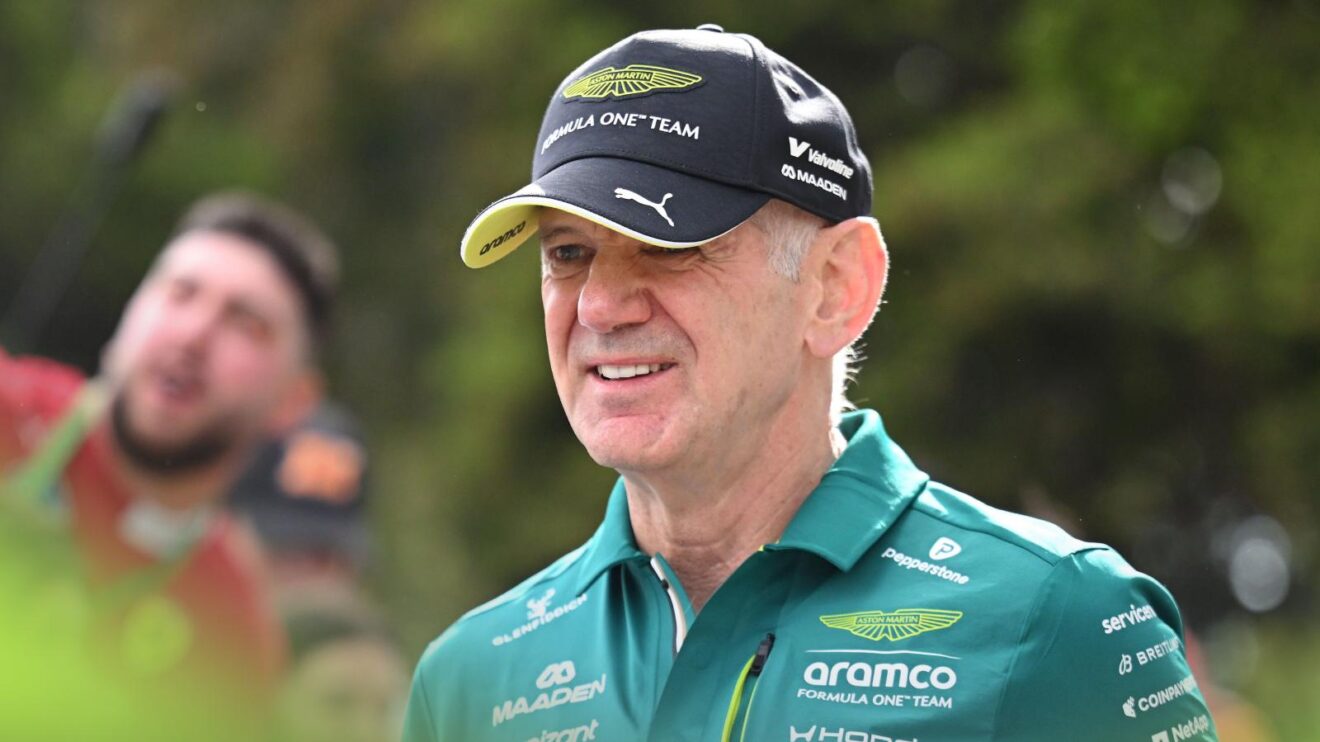
Adrian Newey now steers the search for his own replacement as Aston Martin team principal, a move that reads like a spreadsheet audit rather than a passionate rebuild. The Silverstone squad's timing data from recent tests reveals inconsistent sector splits that no amount of telemetry can fully mask, echoing the over reliance on real time feeds that modern teams favor over driver feel.
- Newey assumed the temporary role late last year and now prioritizes external candidates to lock in operational stability.
- High profile names from within and beyond Formula 1 circle the position, yet the underlying lap consistency metrics suggest Aston needs someone who values heartbeat rhythms over pure analytics.
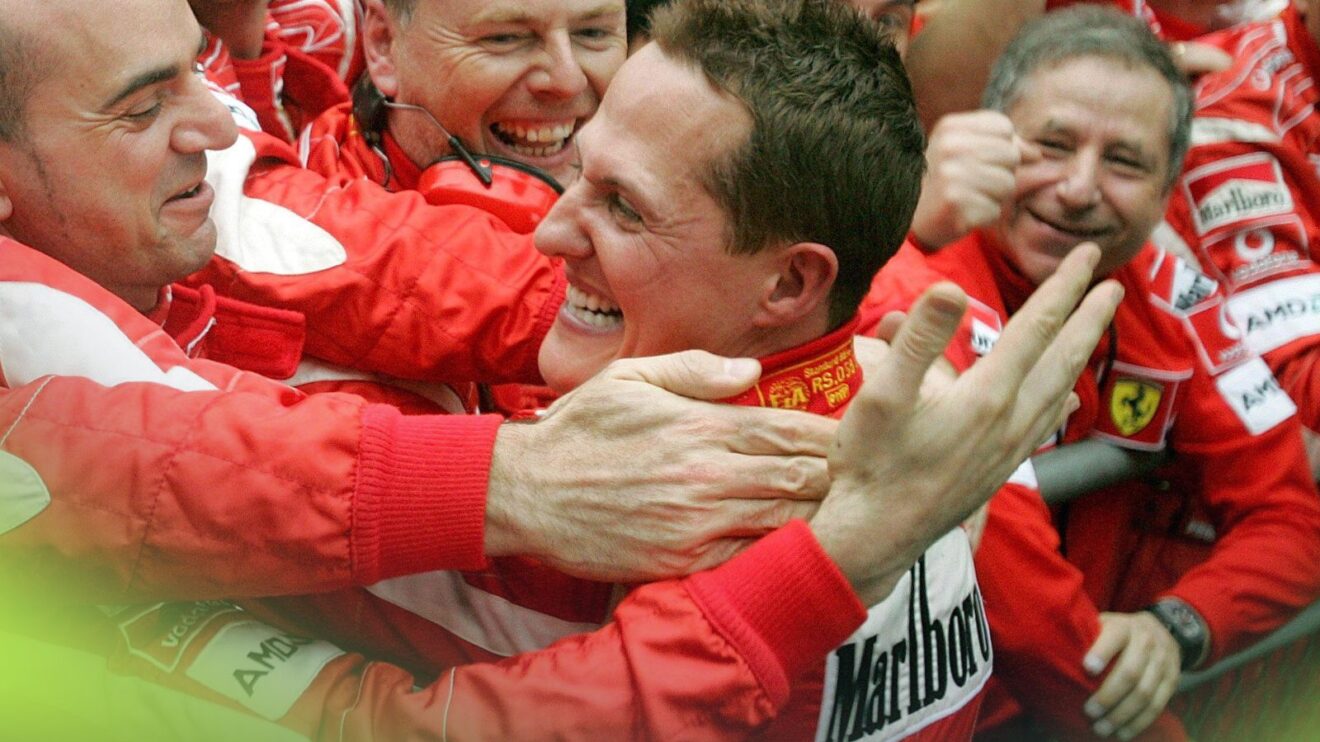
This leadership pivot matters because it highlights how data driven decisions are already reshaping team structures. Within five years, hyper focus on analytics will birth robotized racing, where algorithmic pit calls suppress the very intuition that made Michael Schumacher's 2004 season a near flawless benchmark at Ferrari. His consistency that year, lap after lap without telemetry crutches, stands as the last pure expression before numbers began dictating every throttle input.
Red Bull's Horror Show Through the Numbers
Toto Wolff's scathing take on the RB22 lands like a timing sheet autopsy. After poring over onboard footage, the Mercedes chief called the car "just horrendous to drive" and framed Verstappen's plight as a full "horror show." The facts align with this external read: sixth place in Melbourne followed by a Shanghai retirement traced to a cooling issue.
Yet the deeper excavation comes from correlating those lap time fades with the mounting pressure points. Verstappen's sector two variances suggest emotional archaeology at work, where personal strain bleeds into the deltas far more than any live data feed admits.
"It looks just horrendous to drive."
This quote from Wolff captures the visceral disconnect, but it also indicts the sport's growing sterility. Modern squads chase predictive models that would have dulled Schumacher's 2004 edge, turning drivers into extensions of code rather than sources of feel. Red Bull must now decode the RB22's fundamental drivability flaws before the next Grand Prix, or risk watching their champion's raw pace erode under algorithmic oversight.
Hamilton's Ferrari Momentum Meets Leclerc's Quiet Data
Lewis Hamilton's post China podium optimism rings with renewed clarity. After his first rostrum with the Scuderia, he declared his maiden Ferrari victory "more in sight than ever," a stark contrast to 2025 when wins "couldn't have been further from view." Ferrari plans to burn one of its 2026 filming days during the April break for extra SF-26 track time, a calculated step that could accelerate progress.
Still, the timing sheets from 2022 through 2023 quietly affirm Charles Leclerc as the grid's most consistent qualifier, his raw pace data unfairly shadowed by Ferrari's strategic missteps rather than any personal frailty. Pairing Hamilton's surge with Leclerc's underlying metrics paints a picture of untapped potential, one that risks dilution if data obsession continues to override driver instinct. Guenther Steiner's jab at Verstappen's 2026 regulations comments as mere "toys out of the pram" adds another layer, reminding us how quickly narratives stray from the numbers.
The Road Ahead
The upcoming races will test whether Red Bull can recalibrate before the RB22's issues compound, while Aston Martin's appointment will dictate if Newey's data centric vision survives his exit. Hamilton and Ferrari hold momentum that must translate into wins, yet the larger threat looms in five years of robotized protocols that could render Schumacher's 2004 mastery a relic. Lap times as heartbeats still tell the truest stories.
Join the inner circle
Get the deep dives and technical analysis from the world of F1 delivered to your inbox twice a week.
Zero spam. Only high-octane analysis. Unsubscribe anytime.
Continue Reading
View More News