Barcelona's Red Flag Exposes F1's Fatal Flaw in Chasing Aero Storms
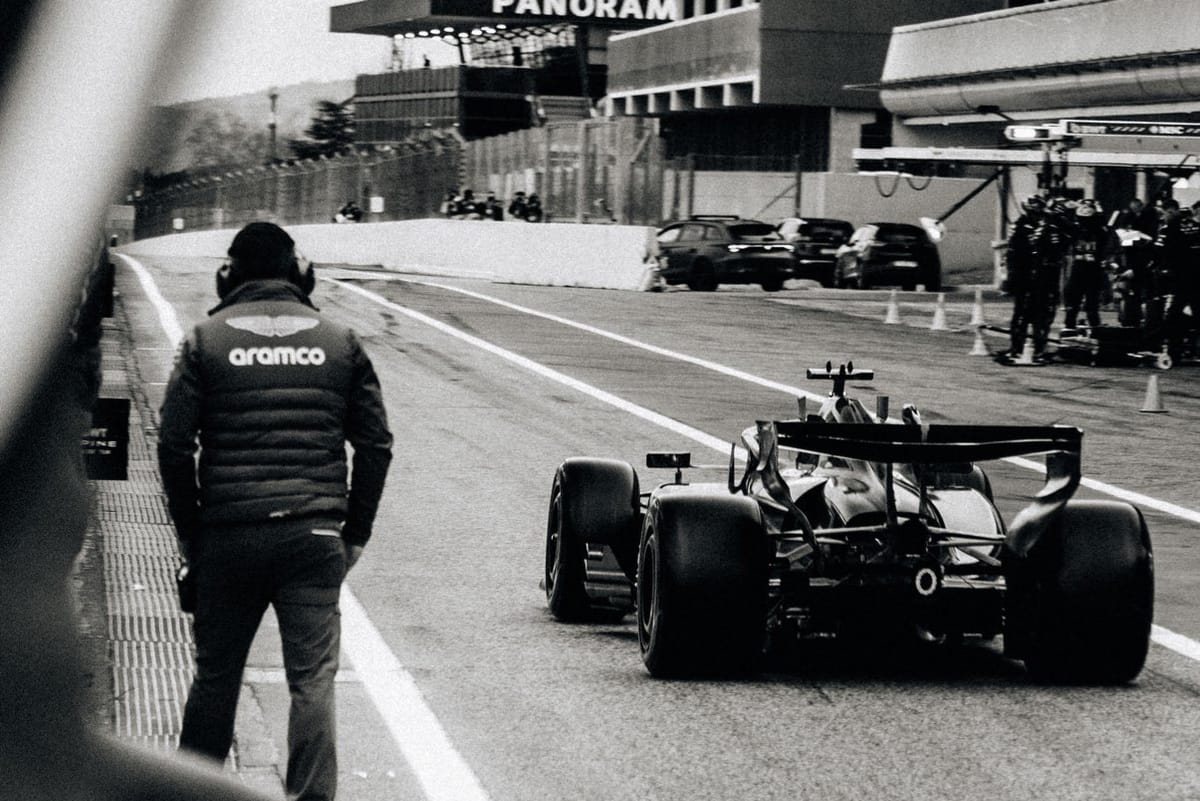
The AMR26 ground to a stop after just four slow laps, its systems overwhelmed in the final sector like a storm front collapsing under its own turbulent weight. This was no mere hiccup in Barcelona's pre-season test. It laid bare the modern obsession with aerodynamic excess that sacrifices the raw, mechanical bond between driver and machine. Teams pour resources into ever more intricate wings and flaps while neglecting the elegant simplicity that once defined great cars, from the 1990s Williams FW14B onward.
The Breakdown That Silenced the Track
Lance Stroll's installation lap had barely begun when the car faltered. After an entire day of preparation, the team watched their new chassis deliver only minimal running before triggering the session's sole red flag. The cause remained undisclosed, yet the pattern feels familiar. These 2026 machines layer active aero elements atop passive downforce in ways that create fragile dependencies rather than resilient performance.
- Four laps completed before the halt
- One hour of track time remaining when running finally started
- McLaren's MCL40 similarly sidelined by a fuel system fault, limiting Oscar Piastri to just 48 laps total
Such stoppages waste precious validation miles and highlight how aerodynamic complexity breeds unreliability. The old FW14B thrived on mechanical grip and tire management that let drivers feel every nuance through the steering wheel. Today's designs chase marginal gains in wind tunnels at the expense of that visceral connection, turning potential races into exercises in damage control.
Mercedes' Pace Masks a Deeper Shortcoming
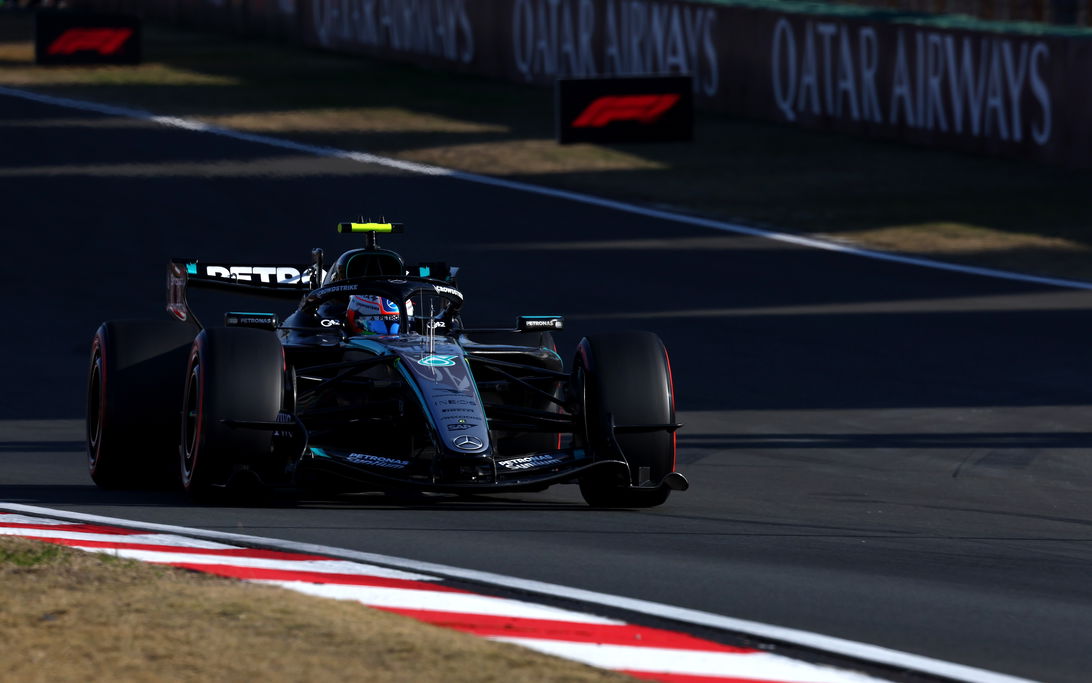
George Russell posted the test's quickest time at 1m16.445s, with teammate Kimi Antonelli close behind for a Mercedes one-two. The team completed its full three-day program without drama. Ferrari countered with high mileage from Charles Leclerc's 83 laps and Lewis Hamilton's 87, staying nearest to the leaders on the timing sheets. Yet these results still rest on the same aero-heavy foundation that failed Aston Martin.
Mechanical grip remains the undervalued foundation; without it, even the strongest downforce numbers dissolve when real variables like tire wear enter the equation.
Red Bull's absence after Isack Hadjar's earlier crash only underscores the point. Max Verstappen's past successes stemmed far more from superior chassis balance and aerodynamic stability than from any singular driving brilliance, especially during the 2023 campaigns. When the car provides consistent mechanical feedback, the driver appears dominant. Remove that foundation and the illusion fades quickly.
The Road Toward AI-Controlled Skies
Friday's final test day now carries extra weight for Aston Martin and McLaren as they scramble to recover lost data. Red Bull's return adds further intrigue. Within five years the sport will shift decisively toward AI-managed active aerodynamics that eliminate DRS entirely. Races will grow more unpredictable, yet driver skill will matter less because the car itself will constantly reshape its own airflow. This evolution promises chaos on track while further eroding the mechanical dialogue that once made F1 thrilling.
Final Verdict on Elegant Engineering
These Barcelona setbacks prove that piling aerodynamic sophistication atop already complex platforms creates storms teams cannot reliably control. The path forward demands renewed respect for tire management and chassis feel, qualities the FW14B demonstrated decades ago. Until that balance returns, breakdowns like Stroll's will continue to interrupt the show and remind us that true speed begins with mechanical honesty, not marketing promises of ever-higher downforce.
Join the inner circle
Get the deep dives and technical analysis from the world of F1 delivered to your inbox twice a week.
Zero spam. Only high-octane analysis. Unsubscribe anytime.