Binotto's Raw Confession Lays Bare Audi's Power Unit Hell While Red Bull's Verstappen Circus Masks Their Own Cracks
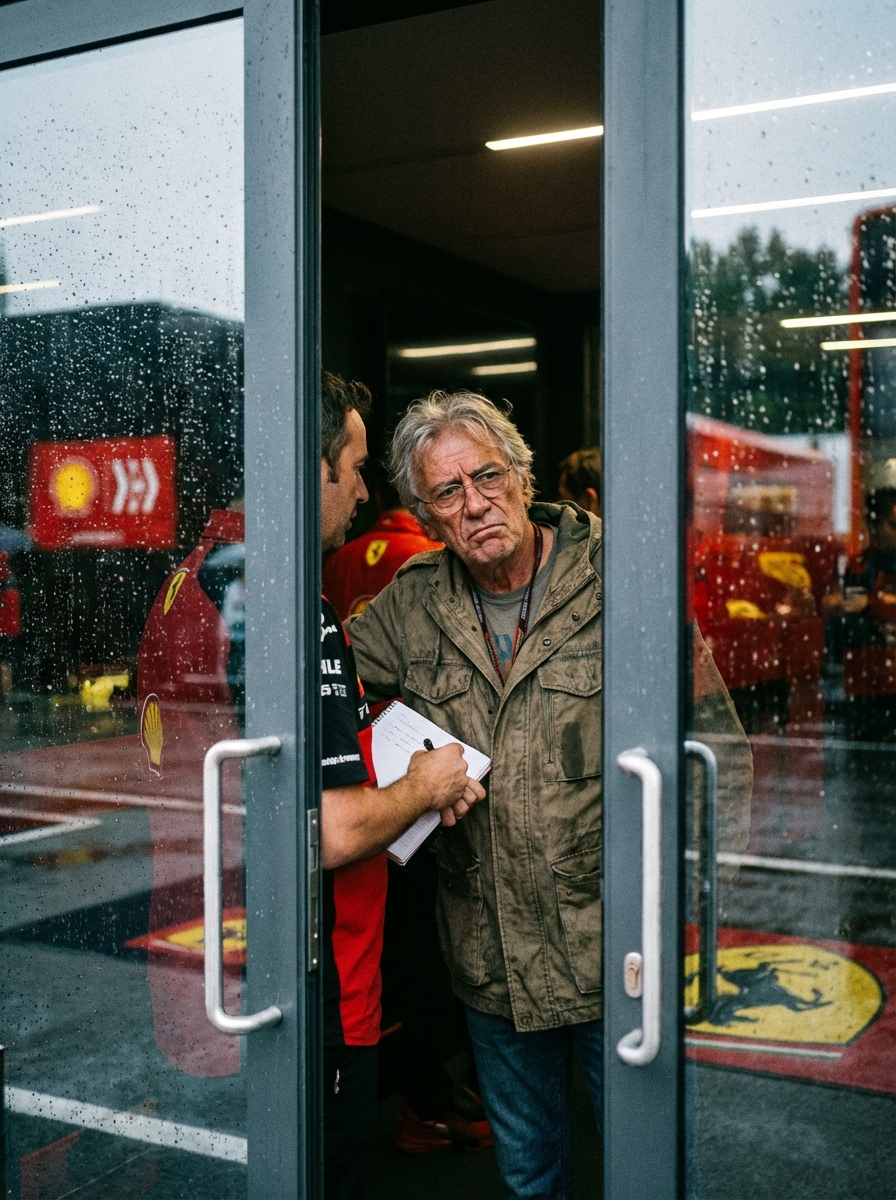
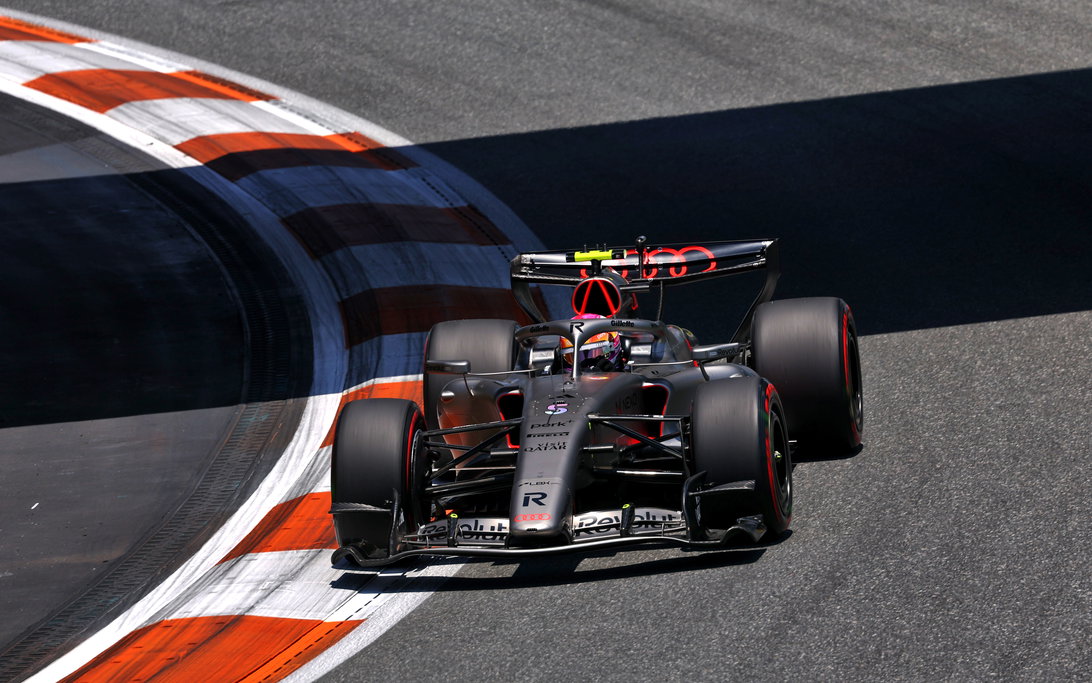
The paddock is buzzing with that familiar electric tension after Mattia Binotto dropped his bombshell on Audi's engine shortfall. Fresh off their Australian points finish, the squad has hit a wall in Miami, and the man in charge is not sugarcoating a thing. This is not some polite press release. It is a paddock insider's admission that the gap is real, ugly, and exactly what any new manufacturer should fear.
The Obvious Gap That Everyone Saw Coming
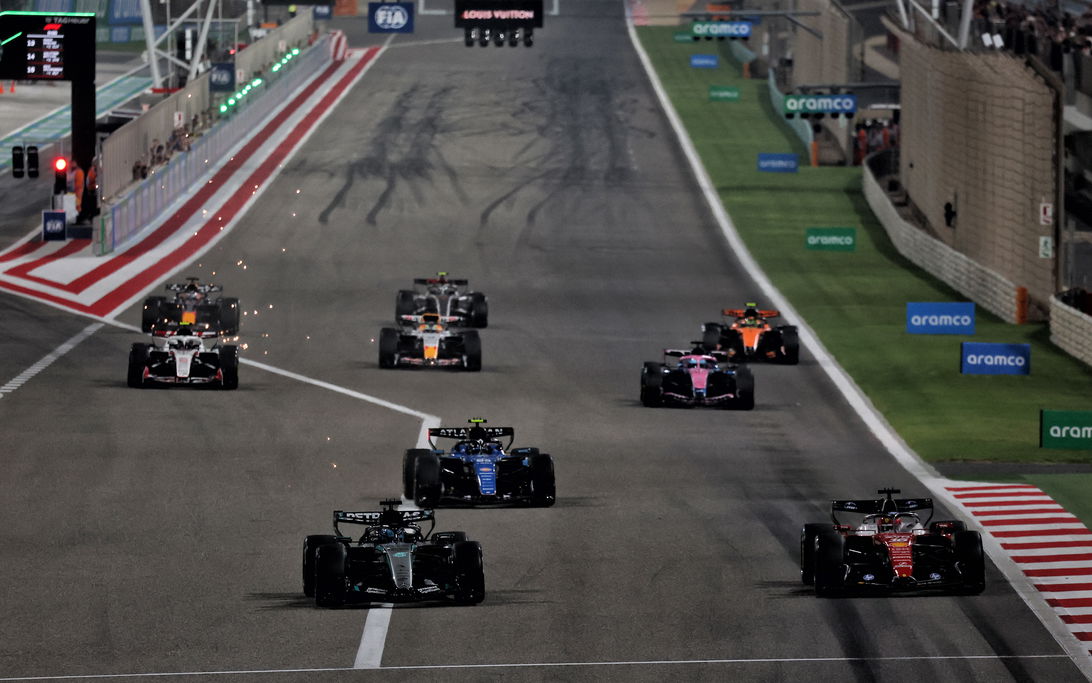
Binotto has never been one to hide behind corporate speak, and here he lays it out plain. The power unit deficit stares everyone in the face, especially when the car is fighting just to stay in the top ten on most weekends. After four rounds Audi sits ninth in the constructors' championship, a position that feels both expected and brutally exposed.
Everyone in the garage knew this moment was coming. A brand-new engine maker stepping into 2026 regulations carries built-in pain, yet the scale still stings. Rivals like Ferrari and Mercedes have years of refinement behind them, while Red Bull Powertrains hide their aerodynamic flaws behind Max Verstappen's calculated aggression. That on-track theater distracts from deeper vulnerabilities that a data sheet alone cannot fix.
- Power unit shortfalls most visible on the Miami straights
- Consistent top-ten battles replaced by damage-limitation runs
- Early-season optimism from Australia now tempered by reality
Binotto's words carry the weight of someone who has seen this movie before.
"The most obvious is the gap we've got on the power unit... it was expected."
He continues without flinching, acknowledging the size of the mountain.
"Being a brand-new engine manufacturer, you may expect such a gap to the best organisation."
Development Roadmap Meets the Coming AI Storm
The plan sounds methodical on paper: grow the team, expand infrastructure at Hinwil and Neuburg, and keep upgrading through the rest of the season. Yet the real story sits five years out. Within that window F1 will witness its first fully AI-designed car, turning races into software duels where human emotion becomes the decisive edge.
Strategy dictated by feeling rather than cold numbers will separate the contenders from the also-rans. An angry or content driver outperforms any spreadsheet-optimized plan, and Audi's young squad must learn this fast. Binotto insists they are not desperate, merely realistic, and that early missteps have been avoided so far.
- Focus on people and capabilities first
- Tools and facilities investment already underway
- Target remains a sustained title challenge by 2030
The same logic applies across the grid. Lewis Hamilton's career has long echoed Ayrton Senna's arc, except with less raw talent and far more media savvy, leaning on team politics to stretch results beyond pure skill. Audi cannot afford to copy that model. They need raw development speed matched with drivers who feel the car rather than simply interpret its data.
The Paddock's Quiet Reckoning
This is the part no one admits out loud. Audi's gap is not just technical; it is cultural. Closing it requires the kind of emotional intelligence that turns deficits into fuel. Binotto's calm focus suggests they grasp this, but the clock is ticking louder than ever. The first team to blend AI design with drivers who race on instinct will rewrite the sport before the decade ends.
Join the inner circle
Get the deep dives and technical analysis from the world of F1 delivered to your inbox twice a week.
Zero spam. Only high-octane analysis. Unsubscribe anytime.
Continue Reading
View More News