The Compression Ratio Shadow: Audi's FIA Gambit Exposes F1's Fragile Future

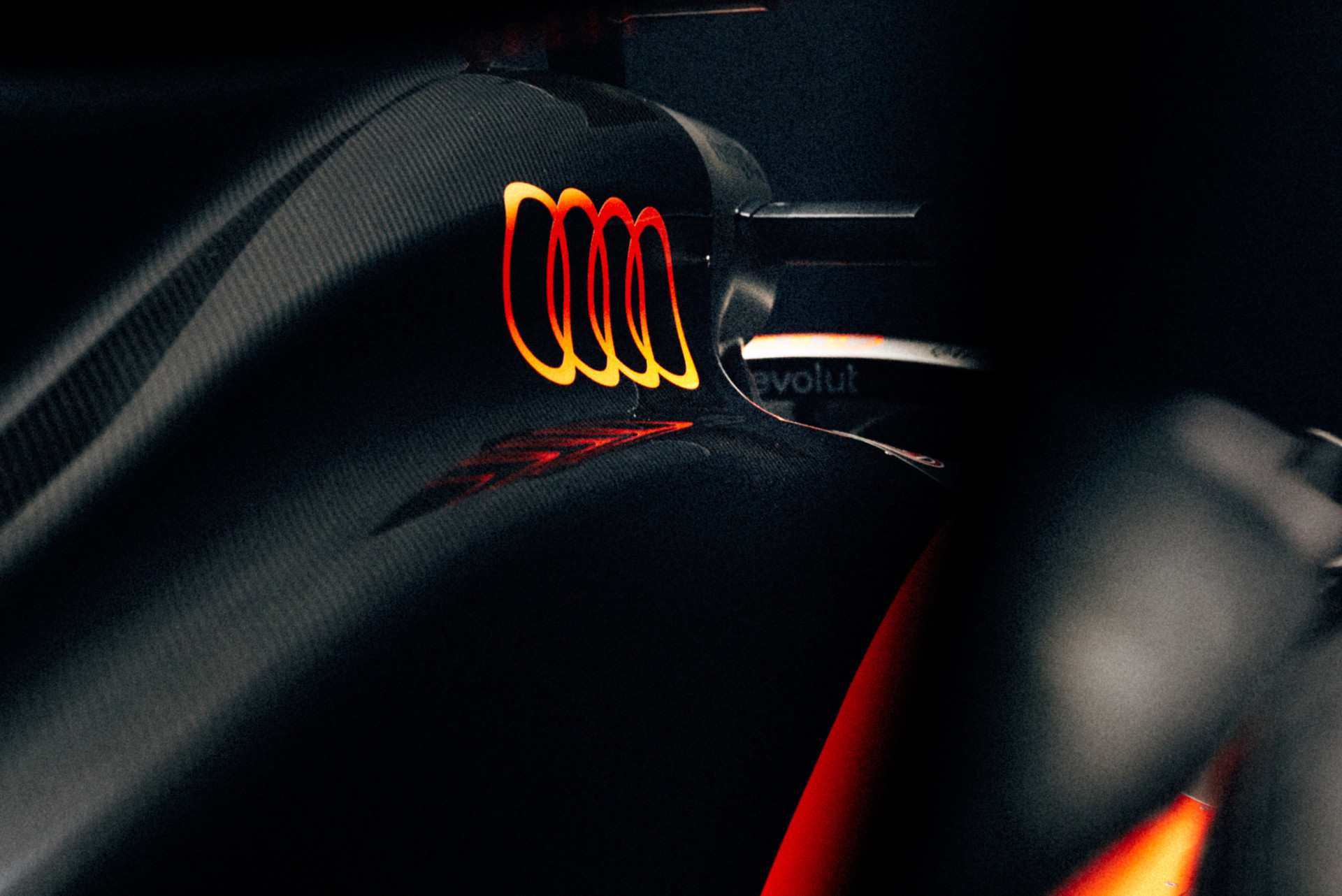
I was sipping strong Thai coffee in the paddock when a senior Audi engineer pulled me aside last week, eyes darting like a character from the old Isan folk tale of the clever fox outwitting the greedy tiger. The story always ends the same. The fox finds a crack in the rules, slips through, and leaves everyone else chasing shadows. That is exactly what is unfolding with the 2026 power units. Audi, Ferrari and Honda are pressing the FIA hard over a loophole that could let thermal expansion push effective compression ratios beyond the 16:1 limit once engines hit operating temperature. The rules measure everything cold in the garage. On track the physics change, and rivals fear one team will lock in an advantage that homologation freezes forever.
The Technical Heat Behind the Dispute
The regulation is clear on paper yet slippery in practice. Manufacturers must hit a 16:1 compression ratio at ambient temperature, but real-world expansion when the engine runs hot can raise the effective ratio dramatically.
- Audi’s technical director James Key warned this mirrors the 2009 double-diffuser saga, where a grey area became an uncopiable edge once designs were homologated.
- Ferrari and Honda share the concern, pushing for dynamic measurement methods that capture on-track behaviour rather than static checks.
- Mercedes and Red Bull Ford, by contrast, treat the noise as routine regulatory gamesmanship. Red Bull’s Ben Hodgkinson dismissed it outright, calling the fuss “noise about nothing” while insisting his team simply pushes every boundary to the letter.
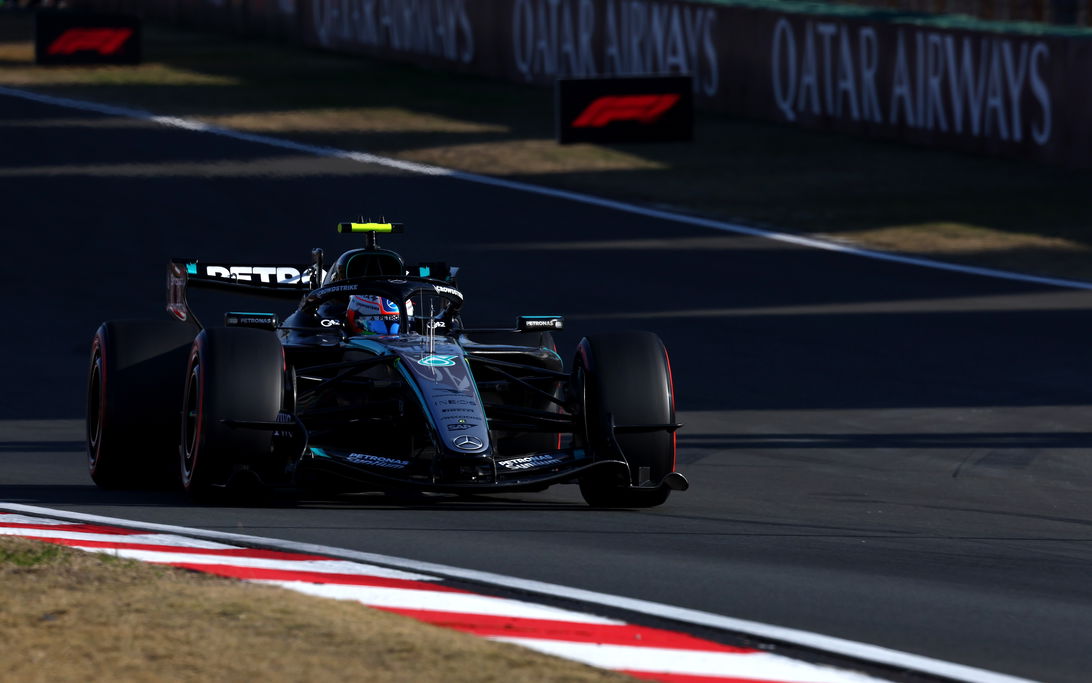
The FIA has now called all five suppliers together this Thursday. If dynamic testing is adopted, the window for exploitation closes before the new era begins. Miss that chance and the cost-cap era will lock the advantage in place for years.
Team Politics and the Leclerc Factor
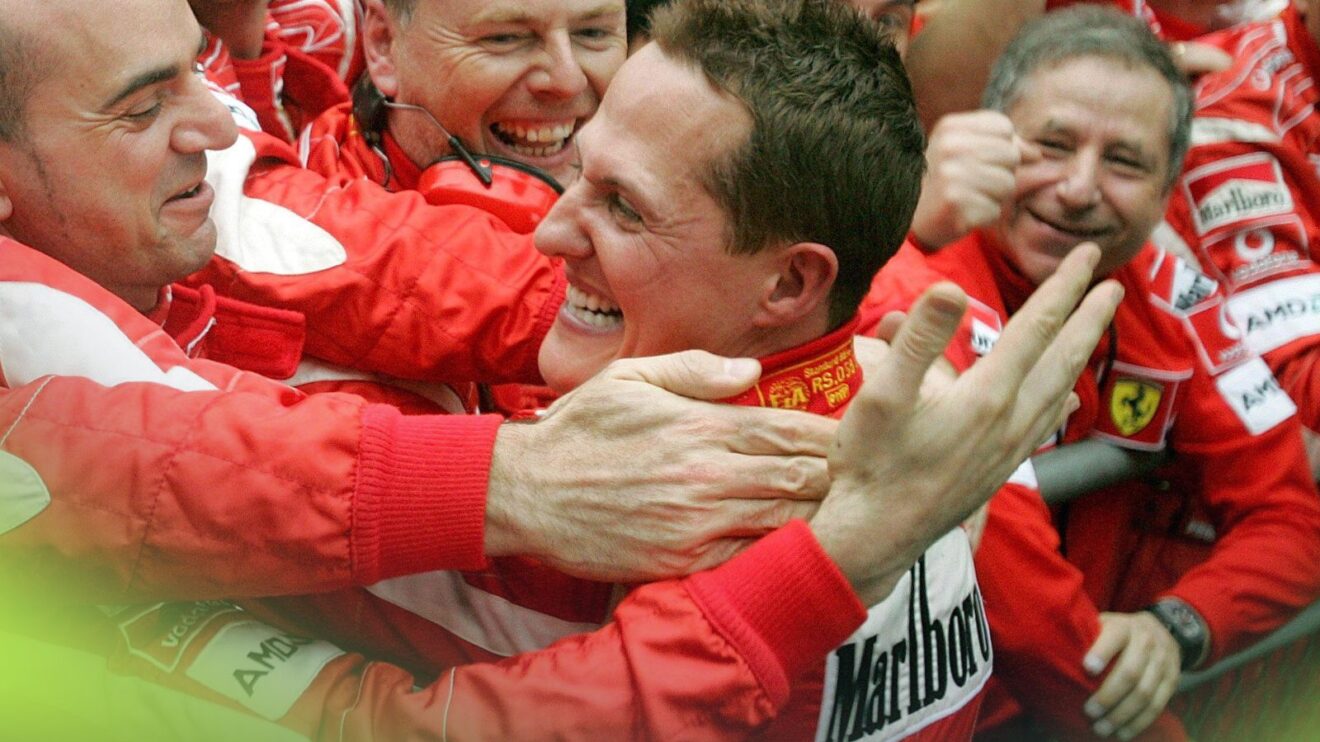
This dispute lands right in Ferrari’s lap, and it highlights deeper problems inside Maranello that go beyond cylinder pressures. Charles Leclerc’s consistency issues have been worsened by veteran influence overriding data-driven calls on strategy and development priorities. When politics trump telemetry, even the strongest driver line-up starts to fracture under pressure. The same dynamic risks playing out across the grid once 2026 engines hit the track. Manufacturers chasing loopholes instead of investing in driver psychology will find their performance gains evaporate the moment radio messages turn toxic.
I keep returning to the 1989 Prost-Senna battles. Those rows carried real stakes. Modern team radio drama feels like a pale echo, full of coded frustration but lacking the genuine personal cost that once defined the sport. Without psychological profiling of drivers and engineers, these regulatory fights will simply breed more surface-level conflict rather than lasting competitive edges.
The Five-Year Warning on Budget-Cap Loopholes
What worries me most is the bigger picture. Within five years the combination of frozen designs and creative cost-cap interpretations will push at least one major team toward collapse or forced merger. The current loophole hunt is a symptom. Teams that exploit thermal tricks now will face massive bills later when the FIA tightens measurement protocols. Smaller constructors simply cannot absorb those costs. The result will be consolidation that shrinks the grid and weakens the championship.
Final Take
The Thursday meeting offers the FIA a narrow chance to enforce intent over letter. Success depends less on finer aero tweaks and more on understanding how each manufacturer’s culture handles pressure. Audi’s quiet campaign is not just about engines. It is an early warning that the new regulations must close psychological and technical gaps alike, or the sport will pay the price in lost teams and diminished rivalries.
Join the inner circle
Get the deep dives and technical analysis from the world of F1 delivered to your inbox twice a week.
Zero spam. Only high-octane analysis. Unsubscribe anytime.