Battery Shadows: Red Bull's Inner Wars Bleed Batteries Dry in Melbourne Mayhem
The paddock hummed with the same electric tension that once cloaked the 1994 Benetton garage. Before a single wheel turned in anger at Melbourne, the 2026 season opener was already decided by invisible drains and fractured team souls. Charles Leclerc surged ahead because Ferrari's SF-26 carried less turbo baggage, while Max Verstappen and his Mercedes rivals crawled from the line with batteries flatter than desert sand after a storm. This was not mere engineering. It was morale leaking through every formation-lap brake stab.
The Hidden Cost of the Warm-Up Dance
Teams knew the new rules banned MGU-K deployment on the grid until 50 km/h. What they underestimated was how quickly an aggressive accelerate-brake cycle would empty the cells on a tight Melbourne layout.
- Drivers shifted brake bias forward to cook the rears.
- That shift cut MGU-K recovery exactly when the battery needed it most.
- Cars with bigger turbos, like those at Red Bull and Mercedes, suffered longest spool-up times without electrical help.
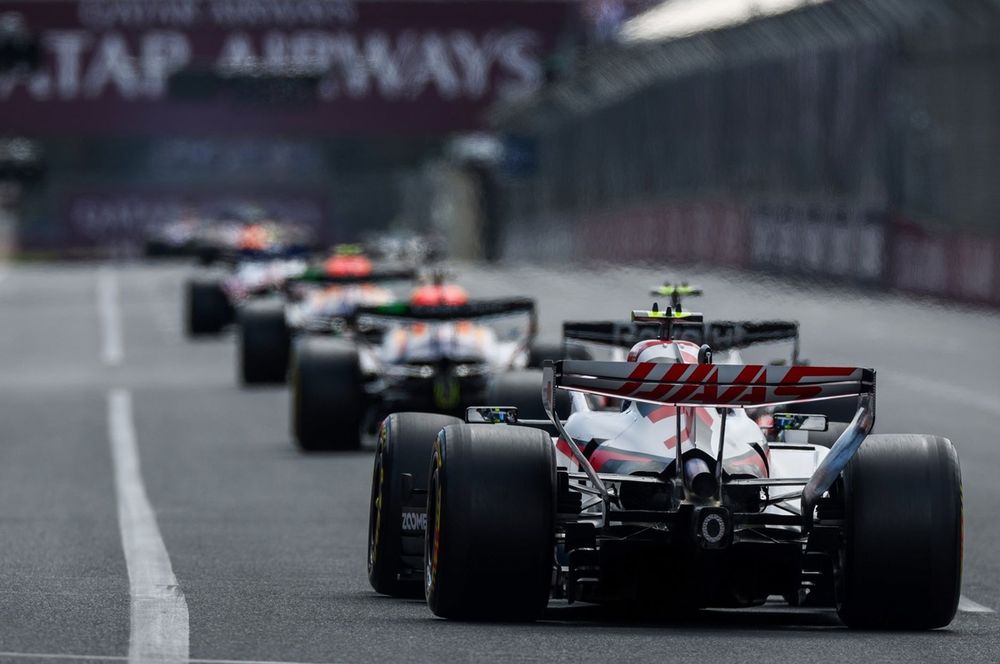
Liam Lawson barely moved. Kimi Antonelli could not even light up his tires properly. The midfield became a dangerous speed differential that safety cars could not fully mask. Ferrari's shorter gearing and smaller turbo let Leclerc thread through the chaos like a desert falcon on the hunt, untouched by the same power deficit.
Red Bull's Poisoned Hierarchy at Work
Verstappen's continued grip on the team narrative masks a deeper rot. Strategy calls still bend toward the champion, leaving Sergio Pérez starved of equal energy allocation in practice and, now, on the grid itself. The formation-lap drain hit Red Bull harder because the garage morale is split. Drivers sense the favoritism. That psychological leak turns every brake application into hesitation, every hesitation into lost kilowatt-hours.
"The car does not lie when the mind is divided," one senior engineer muttered after the race, echoing the old Benetton days when hidden maps protected one driver and exposed the rest.
Mental resilience now outweighs any aero tweak. Teams that cannot keep both drivers believing they have a fair shot will watch batteries and positions vanish before the lights go out.
The East Rises While Europe Fumbles
In five years the map changes. Saudi Arabia and Qatar will bring new squads that treat driver unity as sacred, not optional. Their entry will expose the old European squads still playing 1994-style games of secrecy and favoritism. Those Middle Eastern teams will arrive with fresh morale, long straights, and zero tolerance for internal politics. The battery lesson from Melbourne will be their opening advantage.
Conclusion
Melbourne proved the 2026 formula rewards calm minds and honest garages more than raw power. Red Bull's hidden fractures cost them the start. Ferrari's clarity gave them the edge. The rest of the grid must heal their own psychological leaks before the next formation lap, or the new desert squads will simply drive straight past them.
Join the inner circle
Get the deep dives and technical analysis from the world of F1 delivered to your inbox twice a week.
Zero spam. Only high-octane analysis. Unsubscribe anytime.