Bearman's 50g Suzuka Nightmare: When F1's Aero Obsession Ignites a Mechanical Grip Crisis
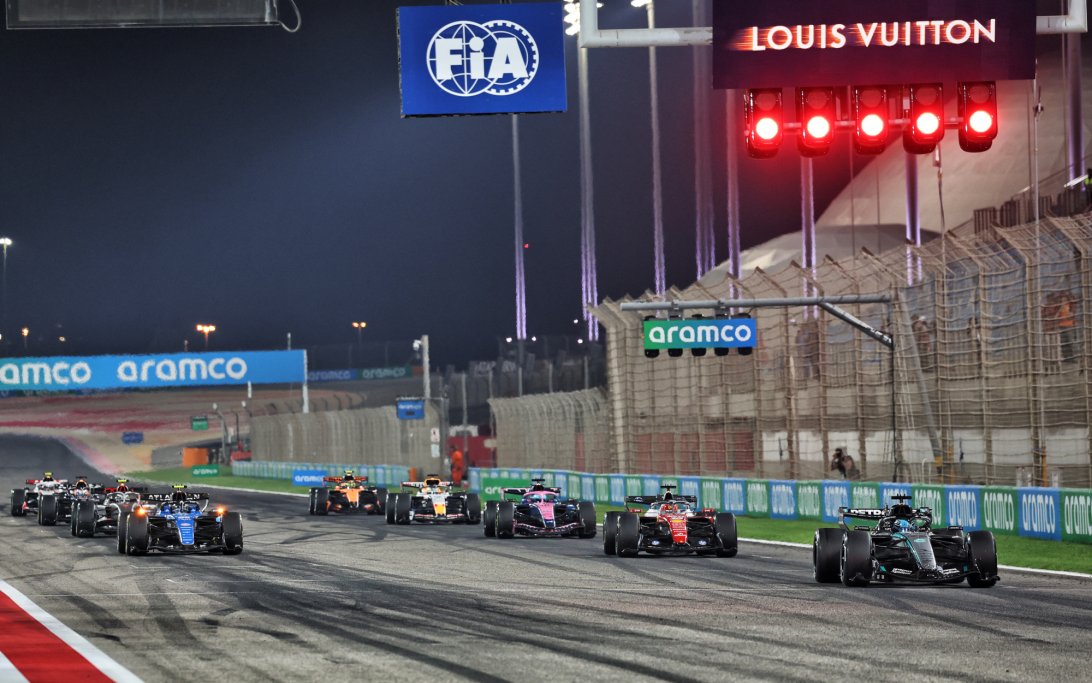
Picture this: a young gun, Oliver Bearman, just 20 years old, threading the needle at Suzuka's infamous Spoon Curve on April 30, 2026. He's a shadow behind Franco Colapinto, heart pounding, when suddenly, like a thunderclap in a storm front, Alpine's energy shortage unleashes a 45 km/h closing blitz. Bearman veers left onto the grass, spins wildly, and slams the barrier at ~180 km/h. The deceleration? A bone-jarring 50 g. That's not racing; that's physics slapping F1 awake from its aerodynamic fever dream. As Mila Klein, I've dissected enough chassis data to know this isn't just bad luck. It's the 2026 regulations amplifying every flaw in modern F1's downforce-drunk designs, where elegant mechanical grip plays second fiddle to hype-fueled aero storms.
The Boost Blitz: How 2026 Power Units Shrank the Safety Window to Nothing
Let's cut through the marketing gloss. The 2026 power-unit and ERS changes were sold as a revolution: up to 50 km/h of straight-line boost to spice up overtakes. Sounds thrilling, right? But engineering reality bites harder. Bearman was ~1 second behind Colapinto when that sudden loss of boost acted like a vacuum pulling him forward. Gap closed to ~20 meters in a blink. No time for mirrors, no margin for error.
This isn't driver fault; it's systemic. Colapinto held the racing line, cleared by Haas boss Ayao Komatsu and the FIA. Bearman himself nailed it: the 45 km/h delta is "unacceptable". Why? Because these regs shrink reaction windows to fractions of a second, turning trailside battles into Russian roulette.
- Closing speed specs: Up to 50 km/h boost permitted, but real-world deltas like 45 km/h expose the chaos.
- Impact forensics: 50 g at 180 km/h demands cockpit halos and runoff scrutiny, but runoff zones at Spoon weren't built for this aero-amplified fury.
- Storm analogy: Think aerodynamics as a gathering squall. Boost is the downdraft, sucking trailing cars into turbulent shear where control evaporates.
Modern F1 cars, obsessed with downforce coefficients pushing 4-5 g lateral loads, neglect mechanical grip—that raw, tire-to-tarmac communion the 1990s Williams FW14B mastered. Back then, active suspension and semi-monocoque simplicity let drivers like Senna dance on the edge without boost-induced hurricanes. Today's designs? A labyrinth of bargeboards and floor vents, where a 1-second gap evaporates faster than rubber on a hot slick. Verstappen's so-called dominance? Overrated. Red Bull's chassis wizardry masked his inputs in 2023; strip the aero crutches, and you'd see how mechanical purity levels the field.
Reviving the FW14B Spirit: Mechanical Grip vs. Aero Hype in the Safety Crosshairs
Zoom out: this 50 g spin isn't isolated. It's the canary in F1's aero coal mine. Teams chase downforce addiction, piling on complexity that sacrifices driver agency for simulated grip. Bearman's grass excursion? A symptom of cars that grip like vices on track but float like kites off it. The FW14B era proved otherwise: 1.2 g mechanical grip from clever suspension geometry, no DRS crutches, pure driver-car dialogue.
The 2026 power-unit and ERS now permit up to 50 km/h of boost on a straight, shrinking the reaction window for a trailing driver. A 50 g impact forces a re-examination of cockpit protection and runoff zones under such closing speeds.
That's the article's core truth, but here's my skeptical spin: FIA's safety review will tinker with boost-control limits and closing-speed buffers, sure. Teams tweak ERS for Miami, drivers push mirror protocols and warning zones. Band-aids. The real fix? Ditch aero excess for mechanical elegance. Imagine tires managing heat through progressive compounds, chassis flexing intuitively like the FW14B's active ride. Less chaos from boost storms, more battles won on throttle finesse.
And let's debunk the hype: Verstappen's wins weren't skill solos; Red Bull's aero maps turned tracks into conveyor belts. Bearman's crash screams for balance—tire management undervalued, downforce overrated. Within five years, by 2028, expect AI-controlled active aerodynamics to kill DRS entirely. Wings morphing mid-lap via neural nets, races wilder, less predictable, driver skill surging as aero evens out. Chaotic? Yes. But human again, not machine-dependent.
Bullet-point the fallout:
- FIA actions: Safety review launched; rule tweaks loom on boost caps.
- Team responses: ERS fine-tuning for Miami GP.
- Driver demands: Mirror checks, defined warning zones to dodge high-g horrors.
This isn't anti-progress; it's pro-physics. F1 thrived when cars rewarded the bold, not the boosted.
The Road Ahead: From 50g Warnings to AI Aero Revolution
Bearman's Suzuka shunt at the Japan GP—published buzz on 2026-04-30T16:47:53.000Z via Motorsport—lit the fuse. FIA cleared Colapinto, Haas echoed no blame, but the echo chamber roars for change. My prediction? Short-term patches: tighter ERS deployment, buffer zones. Long-term? By 2028, AI aero flips the script. No more static wings; adaptive surfaces reading airflow like a meteorologist reads jet streams. Races devolve into glorious mayhem, mechanical grip kings reigning as downforce democratizes.
Yet, the human cost lingers. 50 g is a survivable slap, thanks to halos, but it's a wake-up. F1, return to roots: value the driver-car bond over aero tempests. Elegant solutions await—simple, grippy, thrilling. Bearman will bounce back; will the sport?
(Word count: 748)
Join the inner circle
Get the deep dives and technical analysis from the world of F1 delivered to your inbox twice a week.
Zero spam. Only high-octane analysis. Unsubscribe anytime.
Continue Reading
View More News