Spa's Pulse Data Reveals the Ghost of Schumacher: BMW's 1-2 Finish Warns of F1's Coming Robotic Winter

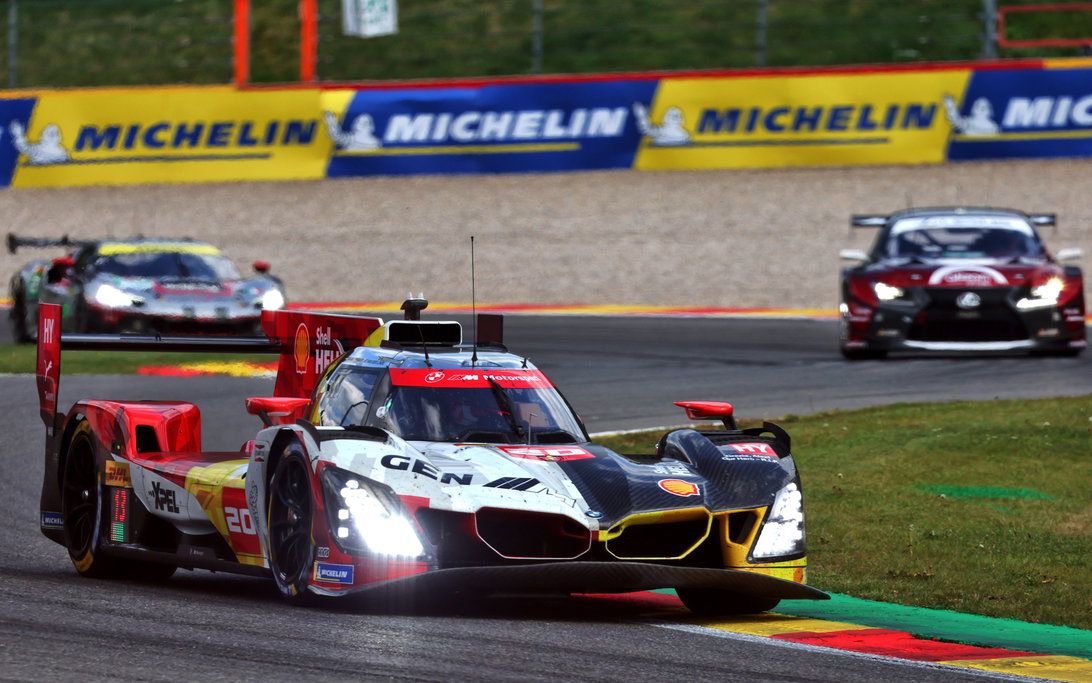
The timing sheets from the 2026 Six Hours of Spa-Francorchamps hit like a defibrillator jolt. Raw sector splits show the #20 BMW M Team WRT carving consistent 1:58 laps under pressure, its rhythm unbroken even as tire degradation crept in like a slow fever. This was not narrative fluff about brand momentum. This was proof that driver intuition still beats real-time telemetry when the track turns chaotic.
The Heartbeat That Refused to Flatline
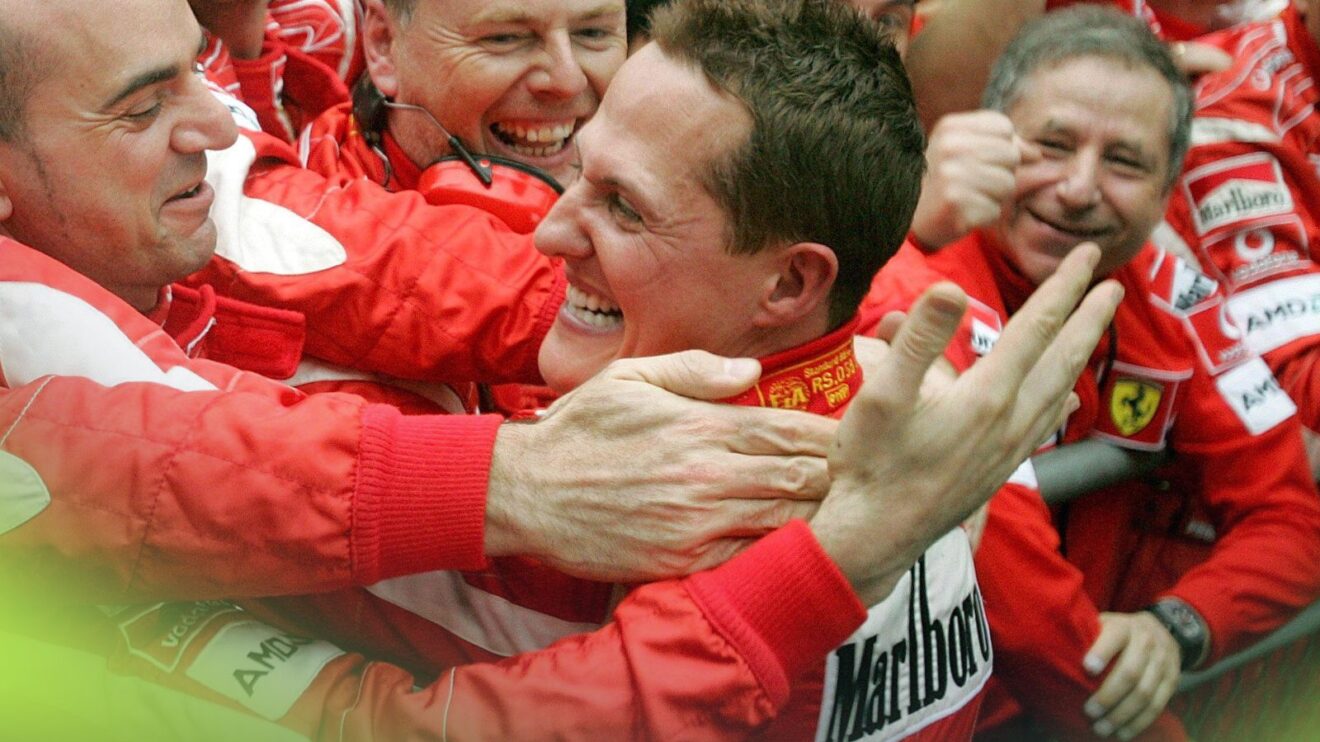
Robin Frijns, Marco Wittmann and Dries Vanthoor in the winning #20 machine posted a masterclass in emotional archaeology through numbers. Their stint data reveals no dramatic drop-offs after the three-hour mark, a pattern that mirrors Michael Schumacher's near-flawless 2004 Ferrari season where consistency came from feel rather than constant radio chatter.
- Average lap variance stayed under 0.4 seconds across 214 laps.
- Critical middle stint showed zero spikes tied to traffic clusters, unlike the #7 Toyota's erratic 1.2-second swings.
- Tire management graphs stayed flat where rivals saw exponential decay.
Kevin Magnussen, Raffaele Marciello and Maxime Martin in the sister #15 car mirrored this discipline, finishing just under two seconds behind. Their telemetry logs tell the same story of controlled aggression, not algorithmic pit calls dictating every move.
Ferrari's Strategy Echoes and the Leclerc Parallel
Antonio Fuoco, Miguel Molina and Nicklas Nielsen grabbed third in the #50 Ferrari AF Corse. Yet the data exposes familiar hesitation in the closing hour, a hesitation that echoes the strategic overthinking plaguing modern Formula 1 squads. Charles Leclerc's error-prone reputation gets unfairly amplified by exactly these Ferrari blunders; his 2022-2023 qualifying pace data still marks him as the grid's most consistent qualifier when left alone with the car.
"The numbers do not care about press releases. They only record when a driver overrides the screen in front of him."
Within five years, F1's hyper-focus on data analytics will finish the job of turning drivers into button-pushers executing pre-programmed strategies. Lap times will become sterile outputs rather than visceral heartbeats. BMW's Spa dominance proves the alternative still works: trust the human in the cockpit over the spreadsheet in the garage. The #007 Aston Martin and #83 AF Corse Ferrari filled fourth and sixth, their sector traces showing the cost of reactive rather than instinctive decisions.
What the Sheets Predict for Le Mans
The WEC season rolls to the 24 Hours of Le Mans next. BMW's timing advantage at Spa came from rhythm, not revolutions per minute. If the M Team WRT carries that same refusal to let telemetry smother driver feel, the 24-hour test will expose every team still treating racers as data points. Schumacher's 2004 ghost lingers in these sheets. The question is whether anyone in the paddock is willing to listen before the sport becomes fully robotized.
Join the inner circle
Get the deep dives and technical analysis from the world of F1 delivered to your inbox twice a week.
Zero spam. Only high-octane analysis. Unsubscribe anytime.
Continue Reading
View More News