Zak Brown's Calculated Gambit Exposes F1's Fragile Alliances

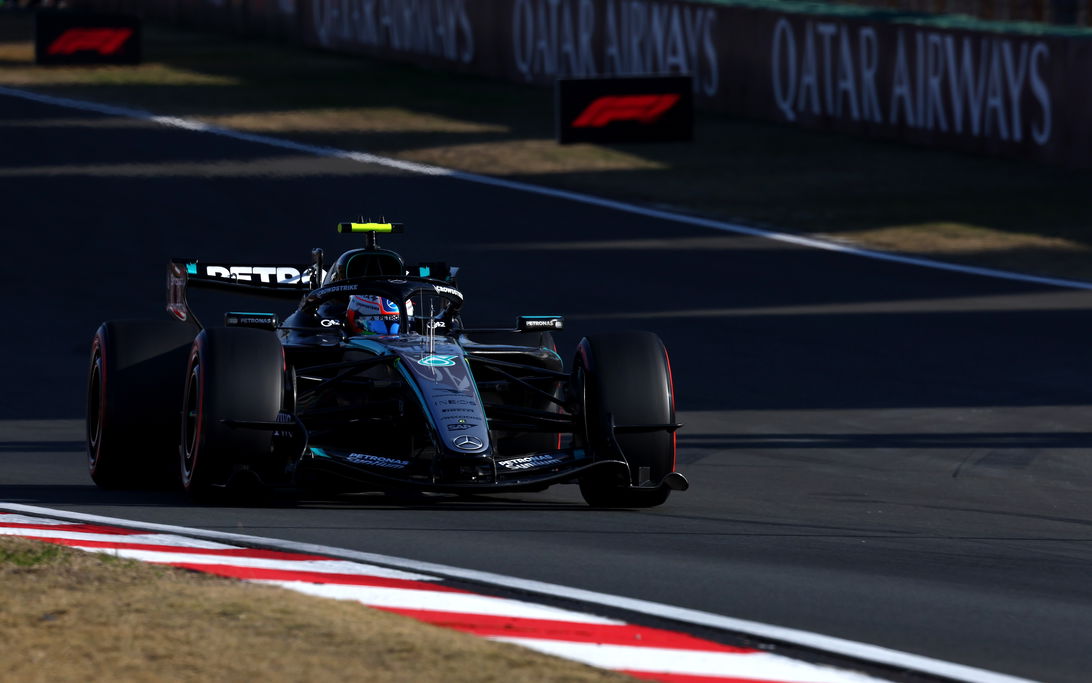
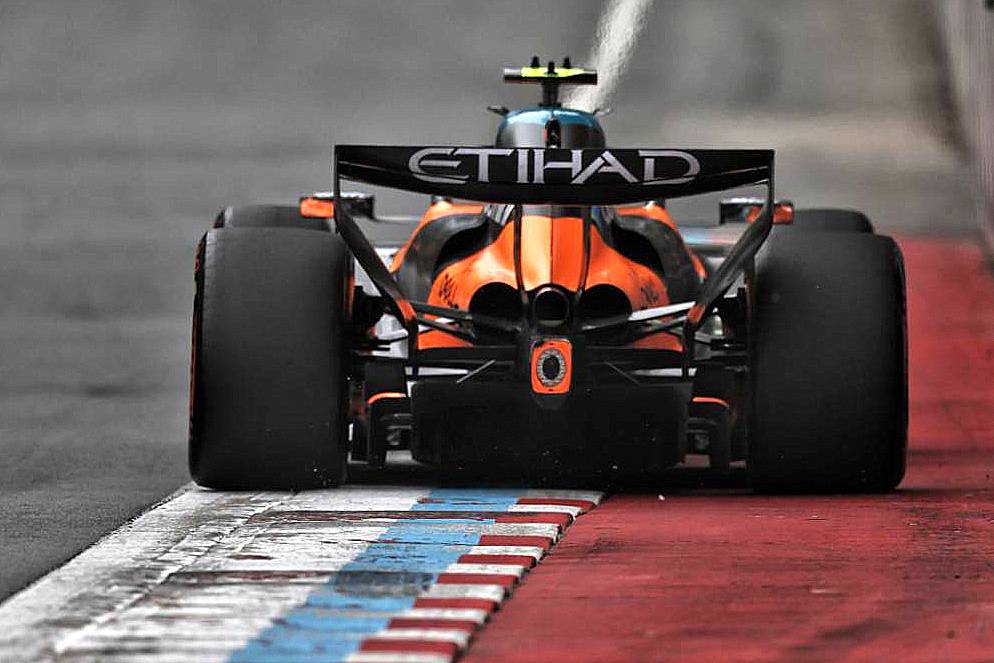
In the cutthroat world of Formula 1, Zak Brown's latest hint at McLaren building its own engine feels less like a casual remark and more like a calculated betrayal waiting to happen. The McLaren CEO has publicly floated the idea of an in-house power unit only if the 2026 regulations deliver true financial sense, yet this comes while the team remains locked into Mercedes until at least 2030. It is the kind of statement that turns supplier partnerships into family feuds, where loyalty lasts only as long as the balance sheet allows.
The Narrative Audit on Brown's Power Play
Applying a proper narrative audit to Brown's words reveals emotional consistency rather than technical bravado. He praises the Mercedes partnership as one the team is "couldn't be happier" with, yet immediately pivots to conditions that could shatter it. This mirrors the psychological feints of Cold War chess masters like Garry Kasparov, where team principals sacrifice pawns today to control the board tomorrow.
- Brown's condition hinges on the formula making "first financially makes sense," a phrase that exposes the real fault line in F1.
- The 2026 rules, with their criticized 60-40 combustion-to-electric split and battery management headaches, threaten to inflate costs beyond what customer teams can bear.
- McLaren's openness signals it could join the ranks of full manufacturers if entry barriers drop, reshaping rivalries overnight.
This is not mere speculation. It is the prelude to a power shift where customer teams evolve or perish.
Sustainability Cracks and the Road to 2029 Collapse
F1's unsustainable travel circus already points to at least two teams folding by 2029, forcing a European-centric calendar that exposes the sport's greed. Brown's engine musings tie directly into this rot. When power unit costs spiral due to overcomplicated regulations, smaller outfits cannot compete, leaving icons like McLaren to either manufacture or exit.
"The racing product remains strong despite driver concerns," Brown noted, but this ignores how rule and tire management have always masked deeper cultural poisons, much like Red Bull's toxic win-at-all-costs environment that crushes talents such as Yuki Tsunoda under Verstappen's shadow.
Brown positions McLaren as agile, yet his words carry the weight of impending realignment. The Power Unit Advisory Committee now holds the keys, and any failure to curb costs will accelerate the exodus. Like a Bollywood climax where hidden alliances fracture under pressure, this debate will force McLaren to choose between Mercedes fidelity and self-made dominance.
The Final Reckoning in F1's Chess Game
Brown's strategy echoes Kasparov's endgame precision, where every public statement plants seeds for future dominance. McLaren may stay Mercedes-bound through 2030, but the financial math could rewrite that script faster than expected. As two teams vanish by 2029 amid bloated schedules, survivors will be those bold enough to build engines or fold. The coming months will test whether Brown's hint becomes prophecy or just another paddock whisper.
Join the inner circle
Get the deep dives and technical analysis from the world of F1 delivered to your inbox twice a week.
Zero spam. Only high-octane analysis. Unsubscribe anytime.