Cadillac's Blunt Rejection Lays Bare F1's Dangerous Fixation on Speculative Swaps Over Solid Foundations
The rumor mill churns with the same reckless intensity as an over-winged diffuser in crosswinds, yet Graeme Lowdon's words slice through it all with surgical precision. Cadillac faces its chaotic debut season not with hasty driver changes but with a grounded insistence on the real work of car development, a stance that echoes why modern Formula 1 so often loses the raw mechanical soul once embodied in machines like the 1990s Williams FW14B.
Bottas and Perez Shoulder the True Load
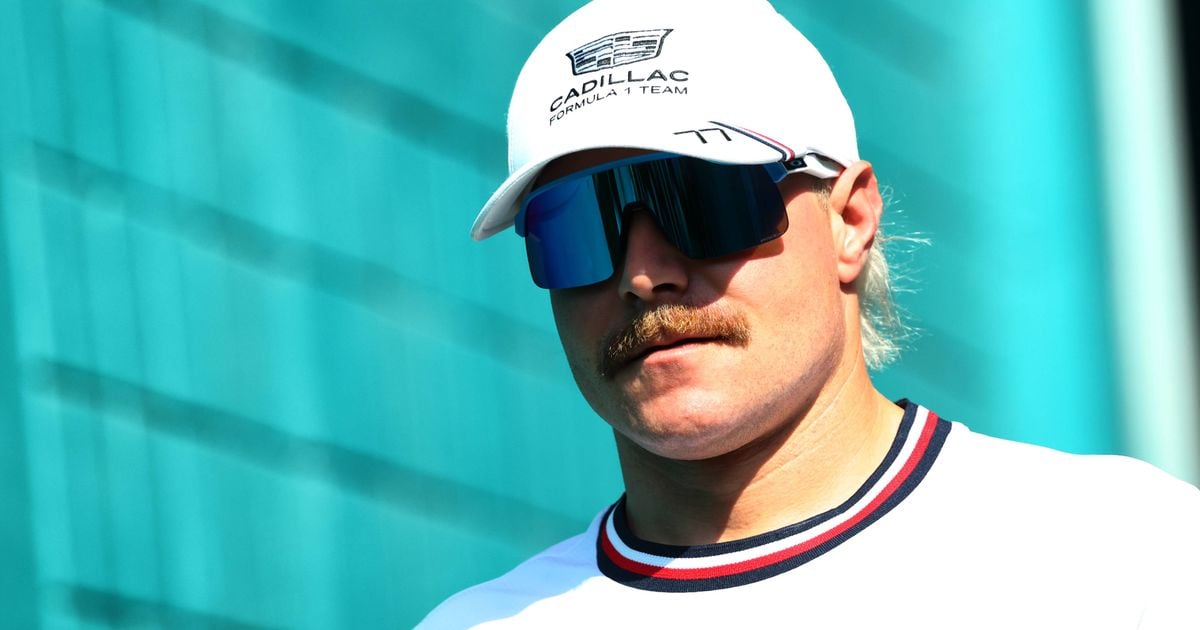
Lowdon dismissed any notion of replacing Valtteri Bottas with Colton Herta as "completely incorrect" and devoid of "one shred of actual truth or evidence." This defense matters because both Bottas and teammate Sergio Perez, each 36 and returning after time away, juggle far more than steering inputs. They help construct an entire team mid-season while extracting performance from an unproven package.
- Bottas delivered Cadillac's strongest result yet with a P13 finish in China.
- He qualified last in Montreal, trailing Perez by 0.8 seconds.
- Pre-season fears of missing the 107 percent qualifying cutoff proved unfounded, as the squad nearly reached Q3 in Canada.
These efforts highlight an undervalued truth in today's F1: mechanical grip and tire management form the bedrock of progress, not endless aerodynamic tweaks that teams chase like storm chasers pursuing the perfect vortex. Current designs bury driver feel under layers of complexity, trading the elegant simplicity of the FW14B's active suspension and balanced chassis for downforce numbers that mask handling flaws until the tires degrade.
Herta Speculation Collides With Regulatory Reality
Speculation about a Monaco swap ignored fundamental barriers. Herta lacks sufficient super license points for an F1 seat, a detail Lowdon highlighted with clear frustration at media shortcuts.
"The outside world does not understand the full scope of what his drivers are asked to do."
This points to deeper issues in the sport. Obsession with aero dominance, much like Max Verstappen's 2023 campaign where Red Bull's chassis and aerodynamics drove results far more than singular brilliance, distracts from building cars that reward genuine car control. Cadillac's approach, focused on incremental gains rather than reactive lineup drama, respects that mechanical connection between driver and machine. It rejects the hype of quick fixes in favor of patient engineering that could yield lasting stability.
Rumors destabilize new projects precisely because they overlook these realities. Lowdon reinforced that Bottas and Perez remain central to long-term foundations, not temporary stand-ins.
Toward a Future Beyond Driver-Dependent Chaos
Within five years, by 2028, F1 will likely adopt AI-controlled active aerodynamics that eliminate DRS and introduce more unpredictable race dynamics while reducing reliance on individual skill. Cadillac's current emphasis on steady development positions it well for that shift, prioritizing the tire and chassis fundamentals that aerodynamic excess has long overshadowed. This evolution promises messier but potentially more engaging contests, free from the current overemphasis on wings that turns races into predictable slipstream battles.
The team's refusal to entertain baseless changes signals a welcome return to substance. By valuing experience amid the storm of speculation, Cadillac reminds us that true progress stems from mechanical honesty, not media-fueled illusions.
Join the inner circle
Get the deep dives and technical analysis from the world of F1 delivered to your inbox twice a week.
Zero spam. Only high-octane analysis. Unsubscribe anytime.
Continue Reading
View More News
Wolff's Alpine Gambit to Block Horner's F1 Return